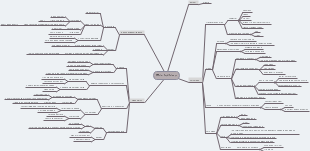
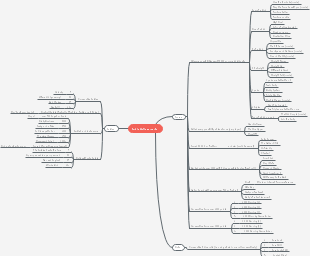
MindMap Gallery vocabulary mind map
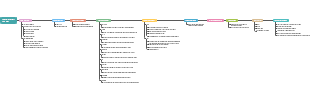
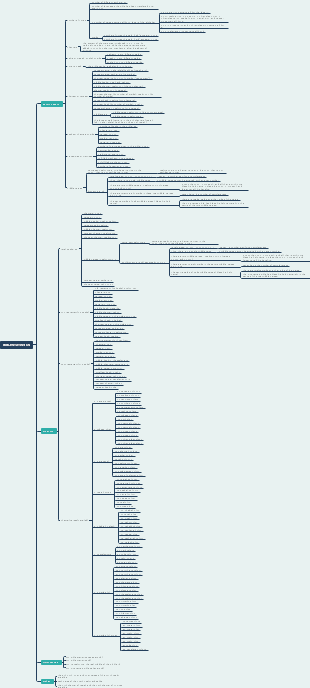
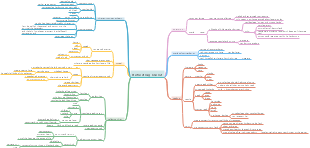
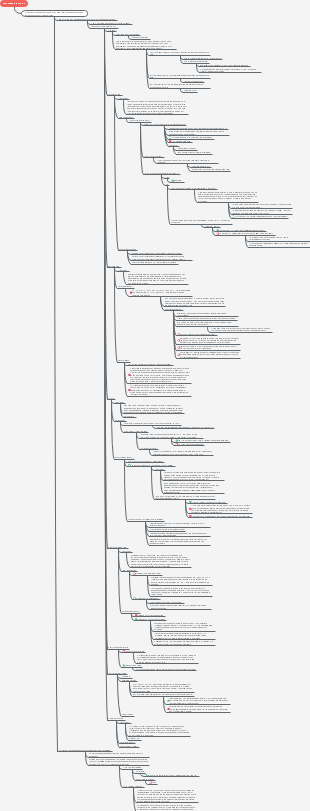
Regarding the vocabulary mind map, Liao's version of the notes on modern Chinese vocabulary includes word meanings, their properties and composition, meanings and sememes, and the composition of modern Chinese vocabulary, etc.
Edited at 2023-11-09 19:36:00vocabulary
Vocabulary overview
vocabulary
Explanation
lexical unit
morpheme
word morphemes
root
unformed morphemes
Unlocated and unformative morphemes
root
Unlocated word morphemes
prefix
suffix
word
The distinction between words and morphemes
residual method
The difference between words and phrases
Expansion method (insertion method)
phrase
acrostic words
fixed phrase
Fixed phrases and temporary phrases
Proper noun
idioms
abbreviation
abbreviation
Both the preceding and following words take the previous morpheme
Household Appliances—Home Appliances/Public Relations—Public Relations
The prefix takes the previous morpheme, and the postword takes the last morpheme.
Minister of Foreign Affairs - Minister of Foreign Affairs/Literacy - Literacy
Omit the same morphemes in parallel words
Middle schools, primary schools-primary and secondary schools/Army, Navy, Air Force-Army, Navy and Air Force
Cut off the first or last part of the original name
Fudan University-Fudan/Chinese People's Liberation Army-PLA
Names containing foreign words can only take the first syllable of the foreign words.
California—California/Olympics
other
Cultural Reform Council/State Language Commission/CPPCC
Latin alphabet abbreviation
VCD/CD/B-ultrasound/X-ray
numeral abbreviation
word structure type
Simple words (single morpheme words)
Monosyllable
polysyllabic
Lianmian Ci
double tone words
rhyming words
other
overlapping words
Transliteration of foreign words
Onomatopoeia
Compound words (multi-morpheme words)
Compound
joint type
The meanings are the same and similar and can explain each other
Two roots combine to create new meanings
Only one root meaning works (partial meaning)
Interlocked type (tailoring, transportation)
Positive type
Supplementary
object-object type
subject-predicate type
overlapping
Additive (derivative)
Prefix (affix root)
Additive type (root suffix)
brush, red
flower
(monosyllabic word)
Word meaning, its nature and composition
what is word meaning
The meaning of the word, that is, the content of the word, including lexical meaning and grammatical meaning
nature of word meaning
generalization
ambiguity
national character
rational meaning
color meaning
The formation of word meaning
conceptual meaning
Also called rational meaning or main meaning
color meaning
emotional color
Complimentary color
Derogatory color
neutral colors
stylistic color
written language color
spoken color
image color
image
dynamic
color
sound
Understanding of word meanings and application of word meanings
meaning item and meaning element
Meanings
What is meaning
It is an itemized explanation of the rational meaning of the word.
Each meaning appears only in its own context, and only one meaning applies to each specific context.
Classification of sense items
Basic meaning
most commonly used meaning
transfer
Extended meaning
The meaning derived from the derivation and development based on the basic meaning
metaphorical meaning
Borrowing the basic meaning of a word to describe another thing creates a new meaning that is fixed
Single and polysemy words
univocal words
words with only one meaning
Polysemy
has two or more meanings
Homophones
Polysemy is a word with multiple meanings, and there are connections between several meanings
Homophones are a group of words that have the same pronunciation but no connection between their meanings. It is a phenomenon of multiple words with homophones.
meaning element
What is seme
Sememe is the smallest unit of meaning that constitutes the meaning of a word, also called the semantic component or semantic feature of the word.
Common features in the same group are called common sememes
Distinctive features are called distinctive sememes
Sememe analysis
Clearly define the object of analysis
Find common and distinguishing characteristics
Express
Application of sememe analysis
semantic field
semantic field
what is semantic field
A semantic field is a clustering of semantics. The related semantics of a group of words that have both common and distinct sememes are aggregated into a semantic field.
Semantic field level
Hypernym
hyponym
Semantic field analysis
generic meaning field
Members belong to a larger class
sequence meaning field
Members are arranged in a fixed order
Some sequential sense fields can start over and over again, which are called cyclic sense fields.
relational meaning field
It is generally composed of two members, who are at two ends of a certain relationship, opposing and relying on each other.
Synonym fields and synonyms
synonymous field
The semantic field composed of related semantics of words with the same or similar meaning is called the synonym field
Each word in the synonym field is called a synonym
synonyms
synonyms
synonym difference
Differences in rational meaning
importance of meaning
range size
The collective is different from the individual
Matching objects are different
Differences in color
emotional color
stylistic color
Differences in parts of speech
How to identify synonyms
context
Morpheme meaning inferred word meaning
Antonyms push synonyms
The role of synonyms
Can make language expression precise and rigorous
Can make the language style distinctive
Can make sentences lively and full of variety
Can make the tone of expression tactful
Using synonyms together can strengthen the momentum and complete the tone.
Antonyms and antonyms
Antonym
The related semantics of two words with opposite or relative meanings constitute an antonymous meaning field, and the two words are antonyms to each other.
The two words that constitute antonyms must belong to the same meaning category
Antonyms refer to the relationship between words, not words and phrases
Types of antisense fields
complementary antonymy field
Affirming A must negate B, affirming B must negate A; similarly, negating A must affirm B, and negating B must affirm A. A third party other than A and B is not allowed to exist between the two.
Life and death, movement and stillness, presence or absence
polar antisense field
Affirming A negates B, affirming B negates A; however, negating A does not necessarily affirm B and can have other meanings.
Black and white (grey) size (not big, not small)
antonym imbalance
The two words in the antonym field are always paired, but the semantic range and frequency of use between the two words are not equal, which creates an imbalance of antonyms.
The role of antonyms
The relationship between word meaning and context
The role of context in interpreting word meaning
Context is the environment in which a language unit occurs. Generally divided into language context and situational context (also called social reality context)
The impact of context on word meaning
Context simplifies word meaning
concretize
context adds temporary meaning
Context exhibits selectivity in word meanings
The composition of modern Chinese vocabulary
Basic vocabulary and general vocabulary
basic vocabulary
the most important part of the vocabulary
Explanation: It and grammar form the basis of language. Basic vocabulary is the sum of basic words, It contains fewer words than in the general vocabulary, but it reflects the natural world and human beings Some of the most basic concepts in social life. Therefore, it is important for all people to know Shared understanding. It has high frequency of use and strong vitality, and is the basis of new words.
Features
Stability
Productivity
Universal use
general vocabulary
Vocabulary beyond basic vocabulary
Features
Have great flexibility
General vocabulary in modern Chinese includes: ancient words, dialect words, loanwords, industry slang, lingo, etc.
Ancient words, dialect words, loanwords
ancient words
Two categories
classical Chinese words
historical words
Ancient words expressing things or phenomena in history
The function of ancient words
Make language concise and well-proportioned
Colors that can express solemnity and seriousness
Can express humor, sarcasm, etc.
dialect words
Refers to words that Mandarin has absorbed from various dialects
foreign word
Also called loanwords, they refer to words borrowed from foreign languages.
Classification
Transliteration
Semi-phonetic translation, semi-meaning translation or both phonetic and meaning translation
Transliteration plus Chinese morphemes
borrow form
alphabetic words
Borrowing kanji words from Japanese
Industry slang, lingo
Industry slang
Proper nouns for various industry applications
argot
slang
It is a special term understood and used by insiders of certain social groups or secret organizations.
idioms
Idioms are stereotyped phrases commonly used by people.
idiom
An idiom is a fixed phrase that is commonly used, rich in meaning, and has the color of written language.
feature
wholeness of meaning
Structural Solidification
elegance of style
source
fairy tales
historical story
poetic sentences
colloquial sayings
The construction of idioms
joint structure
biased structure
verb-object structure
Supplementary structure
subject-predicate structure
Use of idioms
proverb
It is a fixed sentence that is popular, concise and profound in the spoken language of the masses.
Philosophy, self-cultivation, satire, agriculture, weather, climate, knowledge
Phrase
Short and stereotyped idiomatic phrases in spoken English
Mostly three-character verb-object phrases
verb-object
Play tricks, go through the motions, whet your appetite
More formal
To show off one's power, to be a hindsight, to be a loser
subject-predicate form
God knows, God will provide
feature
Concise meaning, vivid image, popular and interesting
idiom
It is a verbal fixed phrase with a cryptic nature consisting of two parts that are similar to the riddle and the answer.
Commonly used metaphors and assonance are two types of rhetoric
metaphorical idiom
homophonic idiom
The development and change of vocabulary and the standardization of vocabulary
Vocabulary development and changes
generation of new words
The retreat and comeback of old words
evolution of word meaning
word meaning expansion
word meaning narrowing
word meaning transfer
standardization of vocabulary