MindMap Gallery Understanding Budgeting
Budgeting is a fundamental aspect of personal and financial management, essential for individuals, businesses, and organizations to achieve their financial goals and sustainably allocate resources. It involves planning, tracking, and controlling expenses and income to ensure financial stability and growth. This mind map will serve as a visual representation of the key components of budgeting. By mapping out these elements, we can gain a comprehensive understanding of how to create and maintain an effective budget.
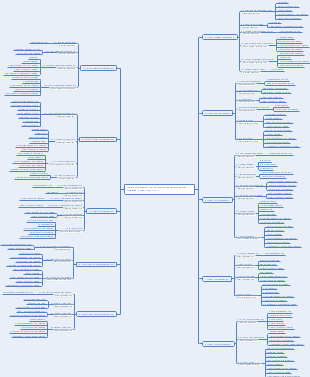
Edited at 2022-04-28 06:59:28Budgeting
Understand
definition
A budget is a document that translates a group's or organization's strategic and operational plans into the expected resources required and returns anticipated over a certain period. *
Types
Operating budgets
reflect a group’s or organization’s day-to-day revenues and expenses. They typically cover a one—year period.
Capital budgets
show planned outlays for investments in plants, equipment, and product development. Capital budgets may cover periods of three to 10 years.
Cash budgets
plot the expected cash balances an organization will have during the given period, based on information provided in the operating and capital budgets.
Budget vs. forecast: What's the difference? A budget estimates expected revenues and expenses for a given future period. A financial forecast projects an actual outcome, such as quarterly revenues, based on historical data. While organizations assess their budget on a regular basis—typically, once a year—they revise forecasts when a change occurs in operations, inventory, or the business plan. Think of the budget as a plan for taking the business where it wants to go, and a forecast as a reflection of where the business is actually going.
the link between budgets- managers prepare operating budgets yearly/ capital budgets(investment/ ad-hoc), Finance combined to master budgets Finance department prepares cash budgets, bugeted BS and CFFor manufacturing company, the VPs of sales, procurement, and manufacturing, along with CFOs, country unit heads, and sales and marketing heads, --operating budgetThe CEO, CFO, division and business—unit heads, plant managers, and product managers--Capital budgets
Why budgets matter A budget functions as a financial blueprint or action plan that a group or organization creates to ensure it has enough resources to achieve its goals. The budget also helps ensure that achieving those goals generates the desired benefits. So a group or organization uses a budget to: Put all of its financial components into one coherent picture that shows its strategic and operational goals along with its financial health Align individual teams, departments, and business units behind the organization's goals (for example, a company would budget more for sales and marketing teams charged with expanding the customer base in their region) Allocate resources wisely Communicate financial expectations Evaluate and motivate managers' and employees' performance (for example, managers and employees receive a bonus when their group meets the goals laid out in its budget) Communicate goals to external stakeholders. Many companies declare their strategic and operational goals publicly to capital markets and then put those goals in their budgets EXAMPLE Karl's company's investor relations team might tell analysts, "We expect earnings per share of $1.30 to $1.35"; "Our capital expenditures won't exceed 10% of our revenues"; or "We plan to invest 5% more in R&D over the next three years." Take corrective action when actual business results don't match the budgeted target results; this might mean allocating more money to boost an effort or cutting funds if an activity or initiative is no longer worth pursuing.video
为什么预算问题 预算是一个团体或组织创建的财务蓝图或行动计划,以确保它有足够的资源来实现其目标。 预算还有助于确保实现这些目标产生预期的效益。 所以一个团体或组织使用预算来: 将其所有财务组成部分放入一个连贯的画面中,显示其战略和业务目标以及财务状况 使单个团队、部门和业务单位支持组织的目标(例如,公司将为负责扩大其区域内客户基础的销售和营销团队提供更多预算) 明智地分配资源 沟通财务预期 评估和激励经理和员工的表现(例如,当他们的团队达到预算中的目标时,经理和员工会得到奖金) 与外部涉众沟通目标。 许多公司向资本市场公开其战略和运营目标,然后将这些目标列入预算 例子 卡尔公司的投资者关系团队可能会告诉分析师,“我们预计每股收益为1.30 - 1.35美元”; “我们的资本支出不会超过收入的10%”; 或者“我们计划在未来三年增加5%的研发投入。” 当实际业务结果与预算目标结果不匹配时,采取纠正措施; 这可能意味着分配更多的资金来推动努力,或者在一项活动或倡议不再值得追求时削减资金。
The budget is the glue that holds together the different parts of the organization. You might have individual pockets of excellence in different parts of the organization, but they‘re not going to be coordinated with each other. So I liken this to each department being a pearl, but you really need the string to make a necklace—and the budget is the string that creates a necklace for you. So you want your sales and your production departments to be coordinated with each other? Well, they‘ll be coordinated only if they‘re working off the same budget. The second rule for the budget is resource allocation. You’re going to determine how much capital budgets I’m going to have, how much I’m going to spend on operating expenses, and those decisions involve tough priorities and tough choices to make. And if you did not have a budget, you would not make those tough choices and there would be a lot of inefficiency in the organization. The third reason why you should pay a lot of attention to an effective budget is that that‘s what sets you up for a very effective performance evaluation at the end of the period. If you have some targets, which is what budgets are, then you have something to compare actual performance against, and you know whether someone did a good job, whether they should be promoted, whether they need to be given a bonus, whether they need to be sacked. So lots of personnel decisions, whether you have the right person for the right job, get decided around a budget. So getting the budget right is very important for resource allocation decisions, for personnel decisions, and coordination of the whole organization.

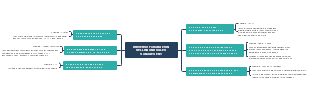
Understand Budgeting
A budget is like a thermostat, monitor the variances and do corrective actions
Summary: Different dept come to an agreed budget management communicate expectation with leaders at all levels department listen to one another, sales team let the production team know
Sub Topic
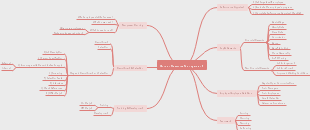
Overview of the budgeting process *
Typically, formulating a budget is an iterative process: Different groups prepare preliminary budgets. They then come together to identify and resolve differences. Coordination and communication between people at different levels of the organization and across functions are critical for arriving at useful budgets.
In an organization in which upper management defines strategic and operational goals, senior managers must communicate those goals to managers at all levels. Functional-area managers, business unit heads, and team leaders need to communicate their particular needs, assumptions, expectations, and goals to those who evaluate the departmental and functional budgets.
In addition, the different departments within the organization must listen to one another. For instance, if one division wants to achieve certain sales goals, then the production department needs to know that, so it can prepare to increase production capacity. If the company wants to introduce a new service, then the marketing department has to know about this early in its planning process. That way, marketing can include funds in its budget for developing effective advertising campaigns for the new offering.
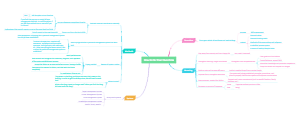
approaches:Traditional budgets are simpler but outdated: also can be simplistic or overly complicated, or inflexible or political. Alternative budgets, more accurate. But time-consuming
goal setting
Top-down: Senior management sets budget goals such as revenue and profit targets, and imposes them on the rest of the organization.
Participatory: Those responsible for achieving the budget goals are included in setting them.
Time period
Static budget: The budget period is a specific time period—usually coinciding with the organization’s fiscal year.
Rolling budget: The budget is continuously updated so the time frame remains stable while the actual period covered by the budget changes. For instance, as each month passes, a one-year rolling budget is extended by one month, so there's always a one-year budget in place.
Forecasting process
Incremental budgeting: Managers use the previous period's budget and actual results, as well as expectations for the future, to determine the budget for the next period.
Zero-based budgeting: The budgeting process begins from the ground up and ignores all previous budgets, as though the budget were being prepared for the first time.