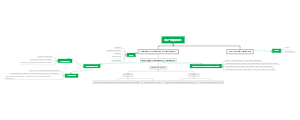
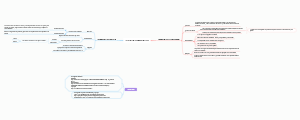
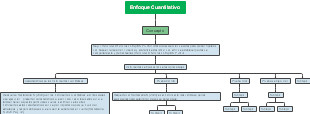
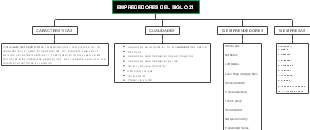
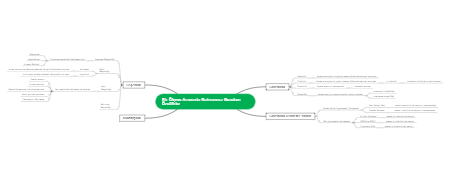
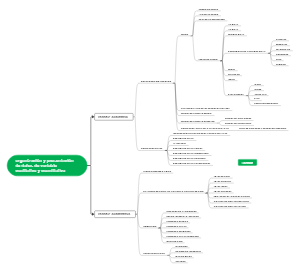
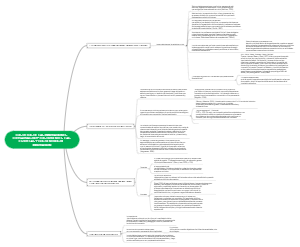
Common learning styles include visual, auditory, hands-on, and kinesthetic. Visual learners receive information through reading text, charts, and images, while auditory learners prefer listening to lectures, explanations, audio, and other methods. Hands on learners tend to learn through practice, operation, and hands-on experimentation, while kinesthetic learners focus on physical movement and perceptual experience. Everyone may have different learning style tendencies, and understanding one's own learning style can help choose more effective methods to improve learning outcomes. This is a mind map about learning styles. The map contains four main branches, namely: visual, audit, read/write, and kinesthetics. Each main branch has a detailed description of its sub branches. Suitable for people interested in learning styles.
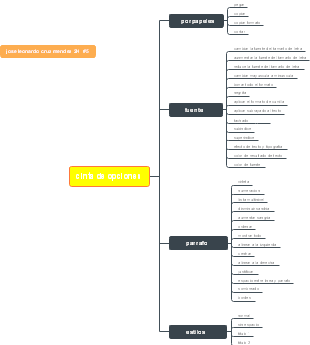
Navigate the essential teaching aids and resources designed to support students with visual impairments. Our comprehensive guide highlights Braille materials, tactile diagrams, and models that cater to the unique learning needs of these students. Discover the latest in accessible technology that allows for an inclusive classroom experience, including adaptive learning tools and devices that enhance auditory learning. Understand the importance of contrast and clear design in educational materials, and explore assistive devices that can empower students with visual impairments to achieve academic success. The guide also stresses the significance of professional development for educators, ensuring they are equipped with the knowledge and skills to effectively teach visually impaired students. Moreover, it emphasizes the value of collaboration with support services to create a supportive learning environment for all.
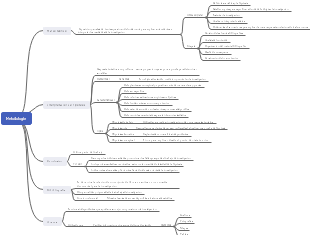
Resources for learning and teaching play a crucial role in education. They provide students with the knowledge and skills they need to succeed and teachers with the tools they require to impart that knowledge effectively. In today's digital age, resources have taken on a new dimension with the widespread availability of online platforms and digital content. These resources are not just textbooks and videos; they also include interactive tools, simulations, and gamification techniques that engage students and make learning more meaningful. Teachers can use these resources to create personalized learning experiences for their students, catering to different learning styles and needs. The effective use of resources in teaching and learning can lead to improved student outcomes and a more fulfilling educational experience for both students and teachers. This is a mind map about Resources for Learning and Teaching. The map contains 13 branches, namely: multimedia projectors, laptops, pictures, online platforms, Educational Games and Quizes, Printed Text, Digital Text, visual presentation, E-books, slide shows, podcasts&audio lectures, charts&graphs, and photographs. Suitable for people who want to learn about learning and educational resources.
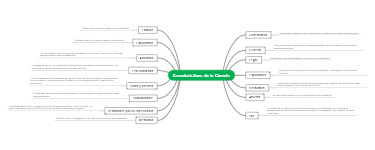
Common learning styles include visual, auditory, hands-on, and kinesthetic. Visual learners receive information through reading text, charts, and images, while auditory learners prefer listening to lectures, explanations, audio, and other methods. Hands on learners tend to learn through practice, operation, and hands-on experimentation, while kinesthetic learners focus on physical movement and perceptual experience. Everyone may have different learning style tendencies, and understanding one's own learning style can help choose more effective methods to improve learning outcomes. This is a mind map about learning styles. The map contains four main branches, namely: visual, audit, read/write, and kinesthetics. Each main branch has a detailed description of its sub branches. Suitable for people interested in learning styles.
Navigate the essential teaching aids and resources designed to support students with visual impairments. Our comprehensive guide highlights Braille materials, tactile diagrams, and models that cater to the unique learning needs of these students. Discover the latest in accessible technology that allows for an inclusive classroom experience, including adaptive learning tools and devices that enhance auditory learning. Understand the importance of contrast and clear design in educational materials, and explore assistive devices that can empower students with visual impairments to achieve academic success. The guide also stresses the significance of professional development for educators, ensuring they are equipped with the knowledge and skills to effectively teach visually impaired students. Moreover, it emphasizes the value of collaboration with support services to create a supportive learning environment for all.
Resources for learning and teaching play a crucial role in education. They provide students with the knowledge and skills they need to succeed and teachers with the tools they require to impart that knowledge effectively. In today's digital age, resources have taken on a new dimension with the widespread availability of online platforms and digital content. These resources are not just textbooks and videos; they also include interactive tools, simulations, and gamification techniques that engage students and make learning more meaningful. Teachers can use these resources to create personalized learning experiences for their students, catering to different learning styles and needs. The effective use of resources in teaching and learning can lead to improved student outcomes and a more fulfilling educational experience for both students and teachers. This is a mind map about Resources for Learning and Teaching. The map contains 13 branches, namely: multimedia projectors, laptops, pictures, online platforms, Educational Games and Quizes, Printed Text, Digital Text, visual presentation, E-books, slide shows, podcasts&audio lectures, charts&graphs, and photographs. Suitable for people who want to learn about learning and educational resources.