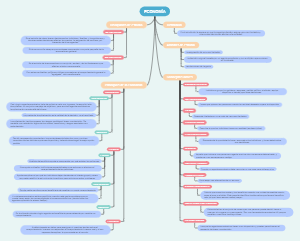
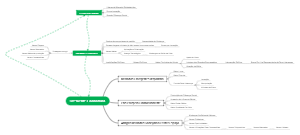
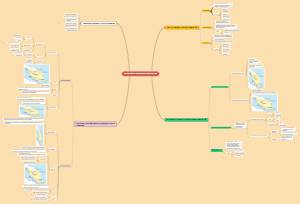
1. Your draft process flow for the sourcing stage of procurement looks thorough and well-structured. Here are some suggestions to enhance clarity and add specific details, which might help in implementation:
2. Identify Procurement Need:
3. Specify who in the business unit or department is responsible for initiating requests. Define any specific documentation or templates that need to be completed to formalize these requests.
4. Determine Procurement Strategy:
5. Include criteria for deciding between competitive bidding and direct negotiation. This could involve the estimated cost, market analysis, urgency, or the availability of suppliers.
6. Develop Procurement Plan:
7. Break down the steps in the plan and assign roles and responsibilities to team members. Consider adding a timeline or schedule, highlighting critical milestones.
8. Identify Potential Vendors:
9. Outline the methods to be used for finding and evaluating potential vendors, such as through industry databases, referrals, or historical performance data within your company.
11. Provide a template or a list of key components that should be included in the RFP to standardize submissions from vendors, making them easier to evaluate.
13. Introduce a scoring system or a matrix to objectively assess proposals based on predefined criteria. This helps maintain transparency and consistency in the evaluation process.
15. Detail the internal review and decision-making process. Include who is involved in the decision-making and any thresholds or criteria that must be met for a selection.
17. Consider scenarios where multiple rounds of negotiation might be required and plan for contingency measures if negotiations stall.
19. Develop a checklist of documents and approvals needed to finalize the contract, ensuring all legal and regulatory requirements are met.
21. Specify tools and techniques to be used for monitoring the delivery and quality of goods or services. Include steps for handling discrepancies or issues in delivery.