Good Afternoon Soha,Setting specific, measurable goals can help you get to the next level in your career. While developing a career plan can entail a significant amount of work, it will pay off in helping you to understand where you want to go with your career next and what you need to do to get there.Here, we define a career development plan and outline five phases to easily and efficiently make an individual development plan for yourself.The typical career development plan example outlines the below:
The starting point: Where you are now in your career
The destination: Where you want to go in your career
The gap: The obstacles you must overcome to reach the destination
The route: How to close the gap to reach your intended destination
How to Create a career development plan ?
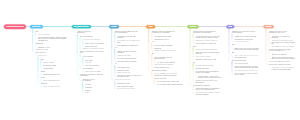
Identify your current position.
1st Phase
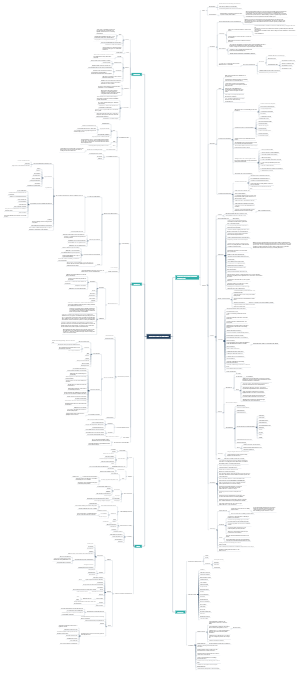
Soha, the first step in any career development plan is to identify where you are now in your career. This step also allows you to reflect on your current skillset and strengths for the next steps. Take some time to write down the answers to these questions. Note your current position in your field, including whether you have finished your education or would like to pursue additional graduate education and where you fall on the career ladder.
What are my past experiences?
What am I doing when I feel most excited or motivated at work?
Do I prefer leading a group, working with peers or working alone?
What energizes me? What drains my energy?
What kinds of natural skills and talents do I have?
Do I have a specific calling in life?
What about my career motivates me to get up and go to work in the morning?
Identify your destination.
2nd Phase
Brainstorm:Develop more specific short term goals:Consider the next 5 to 10 years, long term goals:Next, identify where you want to go with your career by doing the following:Set aside any obstacles or inhibitions that might be holding you back. Where would you love to be in five to 10 years if nothing was holding you back? Include your ultimate career goal. Ex: If your dream is to be the CEO of a midsize company, incorporate that into your plan.It can be helpful to establish where you would like to be in smaller increments. Given where you are and the skills you have, where would you like your career to be in two years? This is an increment that is close enough to your current day-to-day, thus making it easier to visualize.Next, think about where you want to be in five to 10 years. Do you want to still be at your current company but in a more senior role? Do you want to land a job at another company? Or perhaps you want to transition careers altogether. Make sure that your stated goals align with what motivates you the most.Once you have completed these first 2 steps, you should have a better understanding of your skills and the career options that are available to you. You’re now ready to assess how to get to your target destination.
Do a gap analysis.
3rd Phase
Research your goal careerConsult with seasoned professionalsRate your qualificationsIdentify gapsAt this stage, you are ready to do a gap analysis, which determines where you are now and where you aim to be. Complete a gap analysis by doing the following:Taking the goals that you outlined as your two-year or five-year career focus, find job listings for the type of job you want. Be sure the descriptions match your skills and experience, and the requirements align with your ultimate ambition.Additionally, take time to consult with your supervisor, mentor and colleagues at work to understand whether there are key items that you should add to the list.Since this kind of professional development would benefit your team and the company as well as you as an individual, your boss will likely be pleased to help connect you to resources or assign you relevant responsibilities.Once you’ve assembled this list of skills and experiences, go through line by line and rate your current skills, education and experience against the requirements. Create a simple rating system of 1-5, with 1 representing no match between you and the requirement, and 5 meaning that you perfectly meet the requirement. With this system, the lower the rating, the more time and energy you will need to invest in improvement.Once you have completed this exercise, identify all of the areas where you have a development gap. Look for common skills and experiences and put them together in a group. You will likely begin to notice patterns in which skills or experiences you have a solid background in and which ones require further development.
Create your career dev. plan.
4th Phase
Set small task-oriented goalsOrganize with a timelineCreate task deadlinesThis step involves taking the list of skills, education and experiences you want to gain over the next few years and creating a concrete plan to get to your career goals. Here's what to do:Create a set of tasks related to each item on the list that will help you to achieve them. For example, if one of the skills you want to learn is how to use a particular piece of software, your plan could include signing up for a course to learn about it, practicing with a colleague and asking your supervisor to allow you to work with the software as part of your role.Order the plan like a timeline according to the logical trajectory for your goals. Start with short-term items that you can achieve relatively quickly, such as reading a book, and then move on to longer-term goals like getting a master’s degree.The best way to keep yourself accountable to the plan is to assign yourself dates for each task. Give yourself a “start by” date by which you should be working on a task. Make sure to plan out any preliminary steps to each item too.
Measure progress & be ready to re-evaluate.
5th Phase
5. Measure your progress and be ready to re-evaluateKeep trackConsider milestonesUpdate goals accordinglyYour career development plan doesn’t end once you’ve created it. The implementation stage now begins with the following steps:To keep yourself accountable, keep track of how your actual implementation aligns with the dates you assigned yourself in step four. Check-in with the list at least two times per year to make sure that you continue to achieve the set timeline.Once you’ve begun working through your list of skills, education and experiences, you will want to figure out how to measure progress in your career. A positive performance review, landing a new job, getting a promotion...Unexpected occurrences and events will arise. A job opportunity could take your career in a surprising direction, or you could move across the country. A wide variety of factors could knock your plan off course. Keep in mind that it’s okay to change direction, as long as you can remain flexible. The plan is not concrete, and it is useful to review it periodically to update your goals to match your life circumstances. In addition to regularly tracking your progress, plan to re-evaluate the plan itself every six months or so, and adjust it to meet your current goals.
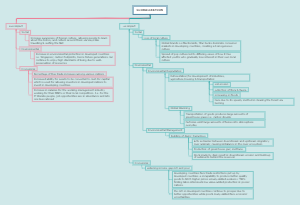
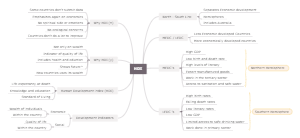
Self-assessment
My strengths
What are my talents and strengths?
My growth areas
What knowledge or skills do I need to enhance?
Goals
Short-term goals
Develop career from renowned organization for experience
Mid-term goals (2-5 years)
Being rewarded as good performer
Long-term goals (5-10 years)
Be a successful businessman and serve benefits to the society
Strategies & Action Plan
Know the company that you want to work for
Take extra courses on a good online learning platform
Resources
Provide networking opportunities, workshops, and other potential places that will help enhance your career path.
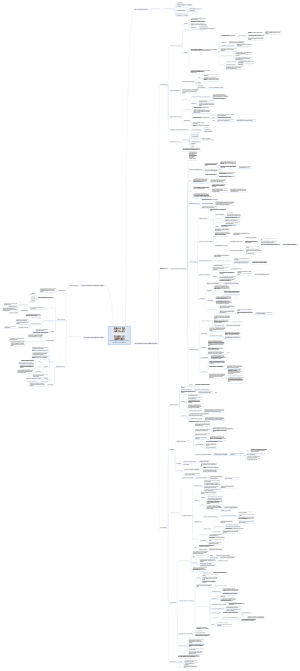
i joined in the company 10 years ago ,and my work was hotell location supervisor after that ,iworked for 6 years , ratel supervisor at the dubai police officers club ,and after i joined in the american university ratel with position banquet senior supervisor . and i handel anather location .......
i aspire to be a decision maker in the company
support and confidence in the responsibility of my management at work .
i want more confidence from my management in more responsibilities
I trust myself when i take over a project and run it with my team ...
when the project im working on is successful .when the customer is comfortable deal with me ...
i stay motivated and share the enthusiasm with my team that works with me to be one hand ...
team work is always successful
my teamwork energy. drains lack of appreciation from my management
Respect and appreciatation for the company i work for and the trust of my colleagues ....
I pray to God to always be with me ...
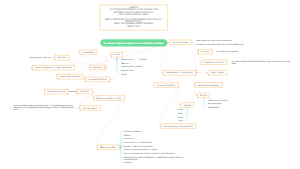
self assesment / career awareness / goal setting / skill trainig / performing
senior Banquet supervisor
I aspire to have a position in the company
 Wondershare EdrawMind