Wondershare EdrawMind
MindMap Gallery Components in cohort program for business school deans
Components in cohort program for business school deans
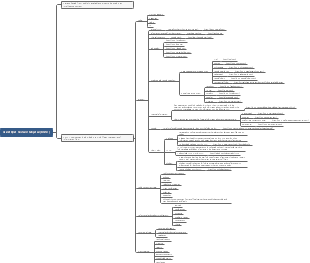
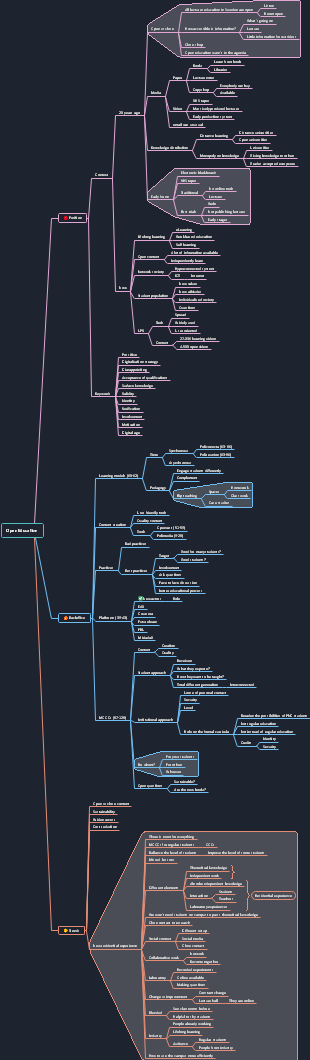
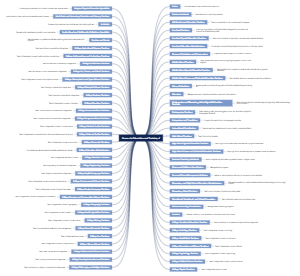
The cohort program for business school deans is designed to provide a comprehensive and impactful learning experience for academic leaders in the field of business education. This mind map will explore the key components that are essential for the success of such a program. By visualizing the interconnectedness of these components, we can gain a deeper understanding of how they contribute to the development and growth of business school deans in their leadership roles.
Edited at 2022-07-11 21:14:07
- Components in cohort program for business school deans
The cohort program for business school deans is designed to provide a comprehensive and impactful learning experience for academic leaders in the field of business education. This mind map will explore the key components that are essential for the success of such a program. By visualizing the interconnectedness of these components, we can gain a deeper understanding of how they contribute to the development and growth of business school deans in their leadership roles.
- Navigating the Path to Academic Leadership
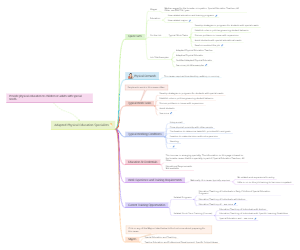
This insightful guide traces the pivotal milestones and experiences that forge a path to academic leadership. From the formative influence of childhood and family business involvement to volunteer work and athletic discipline as a rugby captain. It captures the essence of mentorship from inspiring figures and the academic pursuit through scholarships and funding for higher education. The journey is marked by various challenges, including overseas postings, personal losses, and career shocks, culminating in the attainment of esteemed academic leadership roles. This map serves as an inspirational framework for aspiring leaders in the academic realm, highlighting the multifaceted nature of professional growth.
- Event Timeline Template
This is a timeline that shows business school deans' early career ledership influences. A timeline is a visual representation of events in chronological order. A timeline is typically presented as a visual display, with a line representing the passage of time and events being placed along the line in the order in which they occurred. To help the reader understand how much time has passed between events, each event will be labeled with the date it occurred. Download EdrawMind and start creating your timelines in a few steps.
Components in cohort program for business school deans
- Components in cohort program for business school deans
The cohort program for business school deans is designed to provide a comprehensive and impactful learning experience for academic leaders in the field of business education. This mind map will explore the key components that are essential for the success of such a program. By visualizing the interconnectedness of these components, we can gain a deeper understanding of how they contribute to the development and growth of business school deans in their leadership roles.
- Navigating the Path to Academic Leadership
This insightful guide traces the pivotal milestones and experiences that forge a path to academic leadership. From the formative influence of childhood and family business involvement to volunteer work and athletic discipline as a rugby captain. It captures the essence of mentorship from inspiring figures and the academic pursuit through scholarships and funding for higher education. The journey is marked by various challenges, including overseas postings, personal losses, and career shocks, culminating in the attainment of esteemed academic leadership roles. This map serves as an inspirational framework for aspiring leaders in the academic realm, highlighting the multifaceted nature of professional growth.
- Event Timeline Template
This is a timeline that shows business school deans' early career ledership influences. A timeline is a visual representation of events in chronological order. A timeline is typically presented as a visual display, with a line representing the passage of time and events being placed along the line in the order in which they occurred. To help the reader understand how much time has passed between events, each event will be labeled with the date it occurred. Download EdrawMind and start creating your timelines in a few steps.
- Recommended to you
- Outline