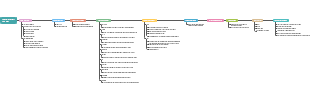
MindMap Gallery Water food energy and climate
The interconnected topics of water, food, energy, and climate are crucial components of sustainable development and environmental stewardship. A mind map about these subjects can help illustrate the complex relationships and dependencies between them. It can outline the impact of climate change on water resources, agriculture, and energy production, as well as the ways in which these sectors contribute to greenhouse gas emissions and environmental degradation. By visually mapping out the concepts related to water, food, energy, and climate, a mind map can serve as a valuable tool for policymakers, researchers, and advocates working towards a more sustainable and resilient future.
Edited at 2022-10-14 19:33:48Water Food Energy and climate
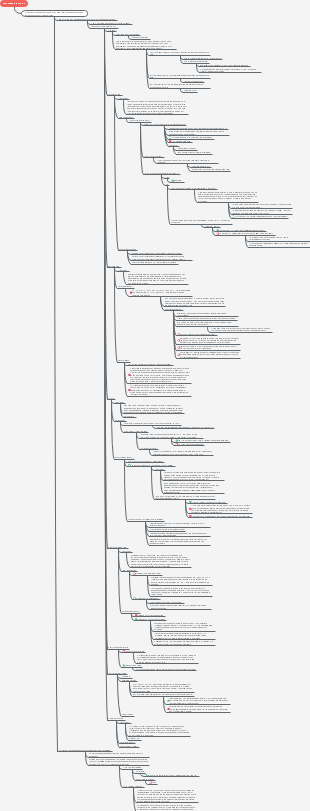
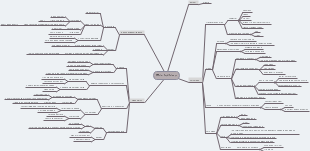
Relevant actors/donors
National
MINEMA
MINAGRI
FONERWA
RAB
NAEB
MINERFRA
REG
RURA
MINECOFIN
MINAFFET
Prime minister
gender
MInistry of environement
REMA
Regional
EAC?
AU
International bodies
World Food Program
UNCTAD
UNDP
EU
Donors
MCF
BMGF
Climate donors
green climate fund
Global green growth institute
Suggested Readings
Water-Energy-Food Nexus (FAO)
https://www.fao.org/3/bl496e/bl496e.pdf
Possibly framing for the interconnectedness
Disaster preparedness plans (Gvt plans already in place)
National water sanitation preparedness plan
https://www.minema.gov.rw/index.php?eID=dumpFile&t=f&f=53360&token=4feb08a680e222b2395d8dcd0ff4e70fc238122e
National food security and nutrition plan
https://www.minema.gov.rw/index.php?eID=dumpFile&t=f&f=53361&token=bc457b4f0ffac0b7b461922b4d11aa71b418363b - 2022
https://www.minema.gov.rw/publications?tx_filelist_filelist%5Baction%5D=list&tx_filelist_filelist%5Bcontroller%5D=File&tx_filelist_filelist%5Bpath%5D=%2Fuser_upload%2FMinema%2FPublications%2FNational_Preparedness_Plans%2F&cHash=ecbc6ed51498d1eb90e85ea5a801a287
Data still to explore
climate variables obtained from the NEX-GDDP
Regional as well as Rwanda
Regional EAC climate/drought coordination
locusts in Kenya disaster as example
Readiness assessment
Climate resilience plan - MINERSA?
National irrigation plan
Shift to EV
Energy use of EV
Intital suggestion quite low
https://www.energy.gov/eere/vehicles/articles/fact-995-september-18-2017-electric-vehicle-charging-home-typically-draws
Most electric vehicles charging at home on a 240-volt level 2 charger will draw about 7,200 watts or less
https://www.pewtrusts.org/en/research-and-analysis/blogs/stateline/2020/01/09/electric-cars-will-challenge-state-power-grids
Also possibly act as a battery V2G
The average electric vehicle requires 30 kilowatt-hours to travel 100 miles
https://www.bbc.com/news/business-58820548
Motos
run for over 100km
International shifts
China ban 2030
https://www.weforum.org/agenda/2020/11/china-bans-fossil-fuel-vehicles-electric/
EU - 2035 ban on combustion vehicles?
https://www.weforum.org/agenda/2022/07/eu-climate-change-policy-co2-fossil-fuels-2030-targets/
Dumping of vehicles?
early 2000 Jap vehicles - congo
Spare parts
Pollution
Infrastructure
Skills and institutions
mechanics
shift to solar
skills needs
Time lost
water collection time?
Finscope?
Agri hhold survey?
share that are women
Gender impacts
Possible ranking of the different issues?
e.g. viability of momo
probablity of happen and what impact
Is Rwanda ready for a large-scale drought?
What does large scale drought look like? (National contingency plan for drought)
Drought of longer than 1 year
Impacts 1-3 million people
More than 50% of households don't have food
70% of cropped and pasture area damaged
Agriculture price increases 300%
75% school dropout
Disease increase more than 100%
20-30 human deaths in month
Over 200 livestock deaths
Less likely
For context: 3 month dryness most likely with 3-6 and 6-12 both considered likely
https://www.minema.gov.rw/fileadmin/user_upload/Minema/Publications/Contingency_Plans/Contingency_Plan_for_Drought.pdf - 2018
Previous droughts to contextualise
Rumanyamasunzu famine
Ruzagayura famine
How will drought impact Rwanda's energy systems?
Disaster prepardness for drought and Food secuirty both do not mention energy needs/generation
Energy Generation impacts
47% of energy coming from hydro
New capacity includes hydro, peat and methane
Dry season result in lower hydroproduction
Expensive diesel generation capacity is roughly equivalent to hydro in terms of available capacity in part to address the seasonality of hydro
Rwanda is targetting 60% of electricity from renewable energy by 2030
https://www.reg.rw/fileadmin/user_upload/LCPDP_REPORT_June_2019.pdf
Energy consumption impacts
Evening peak due to large share of residential energy use
Demand modelled on 10% growth rate
Increase in EVs in rwanda
Depends on how implemented
If allow vehicle batteries to supplement grid could act as battery for grid
e.g. Cape Town "Power heroes"
https://www.businessinsider.co.za/one-less-eskom-load-shedding-stage-with-cape-town-remote-controlled-geysers-2022-10
If people simply charge as they get home this will worsen the peak
(at least all residential cars Motos already have charging stations during the day but those will probably also see a surge as people charge at the end of their days
Key is time of use tariffs and changing consumer behaviour
Options
Supply
RE - solar?
Batteries
solar irrigation
RE manufacturing hub (regional?)
Miinerals and value-addition industrial policy
cobalt
rare metal in region
Platinum in SA as example?
Pyrethrum example
Wind?
Demand
Smartgrid
Data
what exists
what needed
How will drought impact Rwanda's Food systems?
Impact on food production?
How reliant is farming on irrigation/rainwater
90% of farmers don't use irrigation
9.2% in season A and 8.3% in season B and 59% in Season C (which is smaller (SAS 2021)
More than half of irrigation water is lake/stream
53.7% Season A, 51.2% season B, 53.3% Season B (SAS 2021)
Government response
National Strategic Grain Reserves (Maize, beans and rice)
Sugar, salt, oil and porridge can be added
Regional stress as well
Migration and security
Most trade is food
Climate change impacts
Oct rains and beans?
Options
Early warnings from satellite imagery
How will drought impact regional migration?
How can we prepare?
Time-of-use trariffs for electricity
incentives lower useage during peak times
May require upgrades to metering (tbc)
Risk assessment weaknesses highlighted in the National disater preparedness
Continuous food security monitoring system is not operational
Data sharing with stakeholders.
Fragmented data sources and not regularly updated
Use existing NPDM (National Platform for Disaster Management)
Lacks regular meetings
Can coordinate around Food Security and Nutrition (FSN)
Regional coordination is also important
Early warning possible with existing data
Price hikes from Esoko
Reduction in planting/harvesting from SAS
Funding to address
Climate change on continent - strategic level on preparedness
MCF
BMGF
Etc
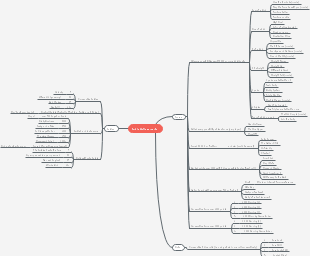
Report structure
Climate change
Regionally
Then EAC (form above)
Regional stability
Issues best placed here
minerals
migration
Vehicle regulations
Nationally
Water
Data and what can inform
Options to address
Food
Data and what can inform
Irrigation needs
Options to address
Energy
Data and what can inform
Options to address
Migration
Data and what can inform
Options to address