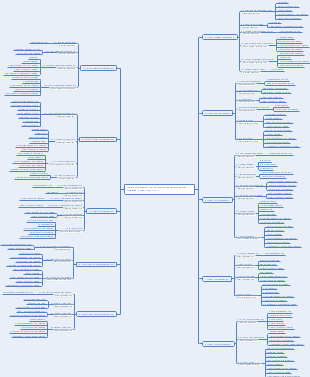
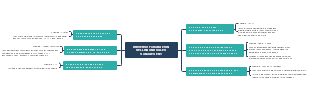
1- Customer Perception of Value:
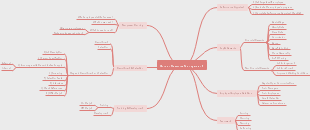
-Effective customer-oriented pricing
-setting a price that captures that value.
Value-based pricing
Uses the buyers’ perception of value
Good-value pricing combination of quality to fair price.
Everyday low pricing (EDLP): constant everyday low price
High-low pricing: higher prices, but running frequent promotions
Value-added pricing: to differentiate offers, support higher prices, and build pricing power
Pricing power: ability higher prices, without losing market share
2- Company and Product Costs
Cost-based pricing
Producing, distributing, and selling the product plus return for effort and risk + adds a standard markup
Types of costs
Fixed costs = const, not vary with production or sales level
Ex: Rent, Utilities, Interest, Executive salaries
Variable costs: vary with the level of production
Ex: Packaging, Raw materials
Average cost = TC/ output (cost associated with a given level of output)
Experience or learning curve: when the average cost falls as production increases
Markup Price= Unit Cost/ ( 1- Desired Return on Sales )
3- Break-Even Analysis and Target Profit Pricing
Break-even pricing: TC=TR, no profit
Target profit pricing: break even or make the profit it is seeking
Break- even volume= Fixed cost/( Price - Variable cost )
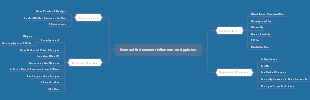
4- Other Internal and External Considerations Affecting Price Decisions
Internal factors
Marketing strategy, objectives, and marketing mix
Organizational considerations
External factors
Analyzing the price-demand relationship
Competitors’ strategies and prices
Other environmental factors
Resellers’ response to price
5- Overall Marketing Strategy, Objectives and Mix
Target costing: starts with an ideal selling price, then targets costs
Non-price strategies: differentiate the marketing offer
Pricing objectives
Customer retention and relationship building
Opposing competitive threats
Increasing customer excitement
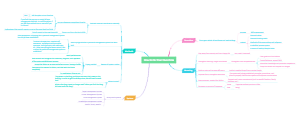
6- The Market and Demand
Pure competition
trading uniform commodities
Monopolistic competition
trade over a range of prices
Oligopolistic competition
few sellers ( hard to enter )
Pure monopoly
non-regulated monopoly, free to set a market price
7- Analyzing the Price-Demand Relationship
Demand curve: the number of units, buy in a given period at different prices.
8- Price Elasticity of Demand
Price elasticity of demand: response of demand to a change in price
Inelastic demand: when demand hardly changes or a small change
Elastic demand: demand changes greatly for a small change in price
Factors affecting price elasticity of demand
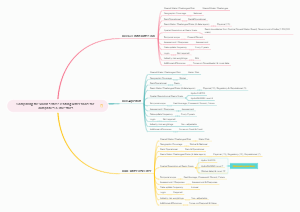
9- Competitors’ Strategies and Prices
Factors to consider
Comparison of offering customer value
Competition pricing strategies
Customer price sensitivity
 Wondershare EdrawMind