PathophysiologyBrain bleeding and pooling from ruptured blood vessels (stroke) in the intraparenchymal tissue of the brain in the cerebellum. Secondary to stroke and often caused by hypertension or head trauma. In the case of this patient, a history of hypertension and methamphetamine use are implicated as probable causes
PharmacologyPrilosec 200mg, PO, 2X daily before mealsZofran, 4mg, PO, Q8- PRNTrazodone, 25mg, PO, nightlyNorvasc 10mg, PO, QdayDulcolax 10mg PO, nightly, PRN Lexapro 5mg, PO, QdayHeparin, 5,000 units, SQ, Q12Miralax, 17g, PO, Packet, PRNLisinopril 10mg, PO, QdayTylenol 650mg, PO, Q6, PRNSenna 8.6mg PO nightly
Labs and Diagnostic Tests:None scheduled. Previous: CT scan, MRI, Blood test
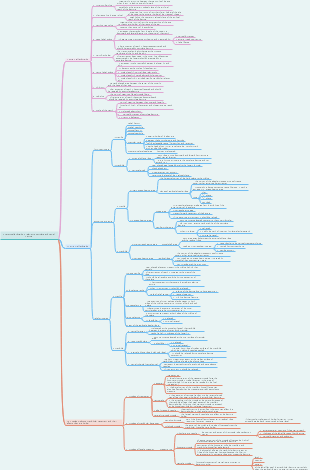
Evaluation of Nursing Interventions1) Risk for adult falls: Patient compliance to using call light, avoiding unsafe behaviors 2) Constipation: Patient will have well-formed bm and continue to pass stool on a more frequent basis. Patient will continue to increase fluids/mobility to decrease risk for constipation. 3) Vision loss: Evaluate patient’s compliance to environment modification in hospital setting. Patient will demonstrate safety precautions independently and unprompted.
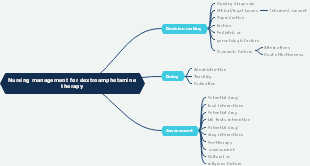
Nursing Interventions For adult falls: 1. assess pt. compliance with using call light, 2. assess room for obstacles and hazards, 3. patient for need to use bathroom 4. Nurse will set bed alarm, alert staff of fall risk, keep bed in lowest position, encourage strength training, 5. Nurse will teach importance of using call light, safe transfer with walker. For Constipation: 1. Nurse will assess pt. For GI pain and cramping, abdominal distention 2. Nurse will monitor for bowel movement, bowel tones 3. Nurse will provide milk of magnesia, daily prune juice after bm to encourage bowel training; assist with mobility, encourage ROM/PT exercises. 4. Nurse will teach/advise fluid intake of 1.5-2L/day; demonstrate use of external abdominal massage in direction of colon; advise fiber intake of 18-25 g/daily. For Vision Loss: 1. Nurse will assess patient’s learning by asking patient to demonstrate safe mobility in hospital setting; assess patient’s use of adaptive devices (eye patch); assess home environment/potential safety hazards 2. Nurse will Monitor patient for compliance/understanding of learning 3. Nurse will contact caregivers to assess home environment for potential safety hazards and provide mobility education. 4. Nurse will teach pt. Importance of keeping home environment well-lit and free from potential safety hazards like loose rugs, cords, cramped spaces.
Patient Safety considerationsFallsImpacted bowel, pain r/t constipationInjury r/t vision loss
NANDA Nursing Diagnosis1) Risk for adult falls r/t impaired strength, mobility, coordination, vision, cognition as evidenced by impaired gait, altered sensation, vision loss, 2) Constipation r/t decreased mobility. as evidenced by passing fewer than 3 stools/week, 3) Vision loss r/t stroke and cerebellar hemorrhage as evidenced by double and blurred vision
 Wondershare EdrawMind