Wondershare EdrawMind
MindMap Gallery Experimental Design
Experimental Design
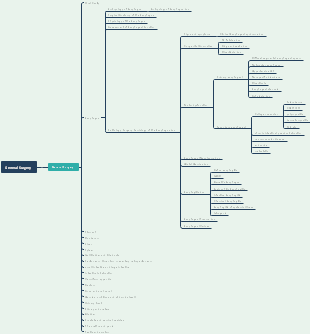
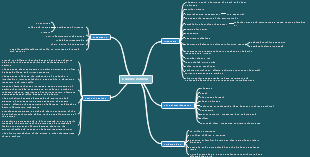
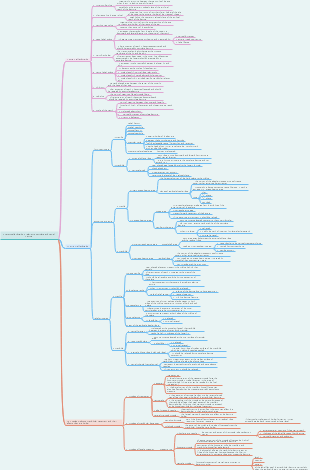
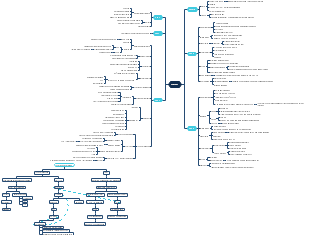
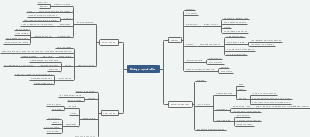
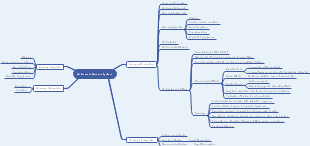
This is a mind map about Experimental Design. There are 11 main branches in the figure, namely: Isolation, culture, and activation of human CD4+T cells, Transmission of lentiviruses and knockdown of shRNA, CRISPR/Cas-9 gene editing, Analysis of flow cytometry, antibiotics, and dys, Cytokine profiling Metabolic Assays, Transcriptome Sequencing, General Metabolomics, Labeling of Glutamine and Glucose, Fluxomics in MIMOSA, Data Examinations. Each branch contains detailed descriptions of sub branches. Experimental design is crucial in scientific research, as it specifies the methods, steps, and means of the experiment, and is the foundation for ensuring the reliability and accuracy of the experimental results. For the isolation, culture, and activation experiments of human CD4+T cells, the experimental design needs to pay special attention to the source of cells, separation methods, culture conditions, and selection of activation factors. In addition, in order to achieve in-depth research on gene function, genetic engineering technology is also needed to genetically modify CD4+T cells. This includes using lentiviral vectors for gene transduction, as well as using shRNA or CRISPR/Cas-9 technology for gene knockout or knockdown. The selection and application of these technical means require detailed planning in the experimental design to ensure the smooth progress of the experiment and the acquisition of reliable results. Suitable for people interested in Experimental Design.
Edited at 2023-02-03 16:11:53
- Experimental Design Mind Map
Experimental design involves planning and executing research in an organized manner so that the results can be accurately interpreted. This method is used to determine the effects of a specific factor, or independent variable, on a dependent variable. By controlling for other factors that may influence the outcome, experimental design helps maximize precision and confidence in data analysis. As illustrated here, an experimental design mind map is a powerful tool that visually represents information by connecting related topics, ideas, and concepts. In experimental design, for instance, a mind map can be used to show different subbranches such as generic metabolomics, labeling of glutamine and glucose, fluxomics in MIMOSA, etc., with further subcategories radiating out from those branches. Use EdrawMind to create a similar experimental design mind map for your education or professional requirements.
- Experimental Design
This is a mind map about Experimental Design. There are 11 main branches in the figure, namely: Isolation, culture, and activation of human CD4+T cells, Transmission of lentiviruses and knockdown of shRNA, CRISPR/Cas-9 gene editing, Analysis of flow cytometry, antibiotics, and dys, Cytokine profiling Metabolic Assays, Transcriptome Sequencing, General Metabolomics, Labeling of Glutamine and Glucose, Fluxomics in MIMOSA, Data Examinations. Each branch contains detailed descriptions of sub branches. Experimental design is crucial in scientific research, as it specifies the methods, steps, and means of the experiment, and is the foundation for ensuring the reliability and accuracy of the experimental results. For the isolation, culture, and activation experiments of human CD4+T cells, the experimental design needs to pay special attention to the source of cells, separation methods, culture conditions, and selection of activation factors. In addition, in order to achieve in-depth research on gene function, genetic engineering technology is also needed to genetically modify CD4+T cells. This includes using lentiviral vectors for gene transduction, as well as using shRNA or CRISPR/Cas-9 technology for gene knockout or knockdown. The selection and application of these technical means require detailed planning in the experimental design to ensure the smooth progress of the experiment and the acquisition of reliable results. Suitable for people interested in Experimental Design.
Experimental Design
- Experimental Design Mind Map
Experimental design involves planning and executing research in an organized manner so that the results can be accurately interpreted. This method is used to determine the effects of a specific factor, or independent variable, on a dependent variable. By controlling for other factors that may influence the outcome, experimental design helps maximize precision and confidence in data analysis. As illustrated here, an experimental design mind map is a powerful tool that visually represents information by connecting related topics, ideas, and concepts. In experimental design, for instance, a mind map can be used to show different subbranches such as generic metabolomics, labeling of glutamine and glucose, fluxomics in MIMOSA, etc., with further subcategories radiating out from those branches. Use EdrawMind to create a similar experimental design mind map for your education or professional requirements.
- Experimental Design
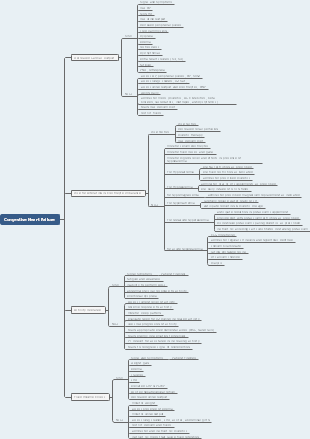
This is a mind map about Experimental Design. There are 11 main branches in the figure, namely: Isolation, culture, and activation of human CD4+T cells, Transmission of lentiviruses and knockdown of shRNA, CRISPR/Cas-9 gene editing, Analysis of flow cytometry, antibiotics, and dys, Cytokine profiling Metabolic Assays, Transcriptome Sequencing, General Metabolomics, Labeling of Glutamine and Glucose, Fluxomics in MIMOSA, Data Examinations. Each branch contains detailed descriptions of sub branches. Experimental design is crucial in scientific research, as it specifies the methods, steps, and means of the experiment, and is the foundation for ensuring the reliability and accuracy of the experimental results. For the isolation, culture, and activation experiments of human CD4+T cells, the experimental design needs to pay special attention to the source of cells, separation methods, culture conditions, and selection of activation factors. In addition, in order to achieve in-depth research on gene function, genetic engineering technology is also needed to genetically modify CD4+T cells. This includes using lentiviral vectors for gene transduction, as well as using shRNA or CRISPR/Cas-9 technology for gene knockout or knockdown. The selection and application of these technical means require detailed planning in the experimental design to ensure the smooth progress of the experiment and the acquisition of reliable results. Suitable for people interested in Experimental Design.
- Recommended to you
- Outline