MindMap Gallery Opportunity Framing for BRS Program CBM
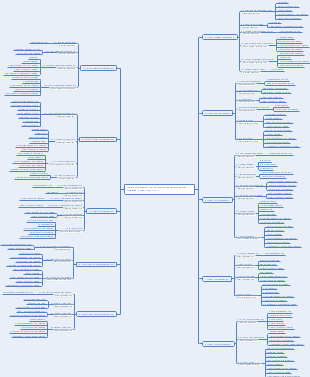
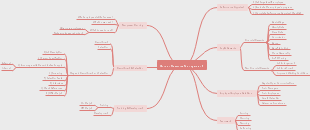
The Opportunity Framing for BRS Program CBM mind map aims to provide a structured approach to identifying and framing opportunities in the context of Condition-Based Maintenance (CBM) within the BRS (Business Resilience and Sustainability) program. This mind map will guide you through the process of identifying potential areas for improvement and innovation in CBM, enabling you to develop a strategic roadmap for enhancing maintenance practices. By mapping out the opportunity framing process for the BRS Program CBM, this mind map will guide you in identifying, evaluating, and prioritizing opportunities for enhancing maintenance practices.
Edited at 2023-03-10 21:52:31This comprehensive resource outlines the multifaceted approach to integrating organizational decision-making within public health policy and practice. The diagram illustrates key aspects such as stakeholder engagement, information dissemination, and the strategic use of evidence-based models.

The BRS optimization and BRS automation technology of PIECO system have brought revolutionary changes to the production management of enterprises. By automating the process flow, errors caused by manual operations are reduced, and production efficiency is improved. At the same time, BRS optimization technology monitors and adjusts the production process in real-time to ensure maximum product quality and production efficiency. The application of these technologies has brought significant economic benefits and competitive advantages to enterprises.
The Opportunity Framing for BRS Program CBM mind map aims to provide a structured approach to identifying and framing opportunities in the context of Condition-Based Maintenance (CBM) within the BRS (Business Resilience and Sustainability) program. This mind map will guide you through the process of identifying potential areas for improvement and innovation in CBM, enabling you to develop a strategic roadmap for enhancing maintenance practices. By mapping out the opportunity framing process for the BRS Program CBM, this mind map will guide you in identifying, evaluating, and prioritizing opportunities for enhancing maintenance practices.
This comprehensive resource outlines the multifaceted approach to integrating organizational decision-making within public health policy and practice. The diagram illustrates key aspects such as stakeholder engagement, information dissemination, and the strategic use of evidence-based models.
The BRS optimization and BRS automation technology of PIECO system have brought revolutionary changes to the production management of enterprises. By automating the process flow, errors caused by manual operations are reduced, and production efficiency is improved. At the same time, BRS optimization technology monitors and adjusts the production process in real-time to ensure maximum product quality and production efficiency. The application of these technologies has brought significant economic benefits and competitive advantages to enterprises.
The Opportunity Framing for BRS Program CBM mind map aims to provide a structured approach to identifying and framing opportunities in the context of Condition-Based Maintenance (CBM) within the BRS (Business Resilience and Sustainability) program. This mind map will guide you through the process of identifying potential areas for improvement and innovation in CBM, enabling you to develop a strategic roadmap for enhancing maintenance practices. By mapping out the opportunity framing process for the BRS Program CBM, this mind map will guide you in identifying, evaluating, and prioritizing opportunities for enhancing maintenance practices.
Opportunity Framing for BRS Program CBM
I. Introduction
What is the Purpose of the workshop
With condition-based monitoring (CBM) as the outcome of the opportunity framing workshop, the purpose of the workshop would be to identify and define the key challenges and opportunities related to BOP reliability, and to develop a strategic plan for implementing a successful CBM program.
Involving stakeholders from various departments within the organization, such as engineering, software, operations, and data science. The participants can collaborate to identify the critical BOP components and data sources that impact reliability, and to determine the appropriate monitoring techniques and tools to use.
Identify the key performance indicators (KPIs) that should be monitored to measure the success of the CBM program. This can include identifying thresholds for critical parameters, such as pressure, temperature, and vibration, and determining the appropriate response actions to take when a threshold is exceeded.
Through the opportunity framing workshop, participants can explore potential solutions for integrating CBM into existing systems and processes and prioritize the most effective and feasible options. This can include identifying gaps in the current systems, technology, or processes, and brainstorming ideas for how to fill these gaps.
The workshop can also provide a forum for discussing potential barriers to success, such as resource limitations or regulatory requirements, and identifying strategies for overcoming these obstacles.
By the end of this workshop, the participants should have a clear understanding of the opportunities and challenges related to implementing a CBM program for BOP reliability, a defined set of KPIs for measuring program success, and a strategic plan for implementing the program. The workshop can help ensure that all stakeholders are aligned in their objectives and understand the steps required to achieve them.
Overview of the importance of BOP reliability in the oil and gas industry
BOP reliability is critical to the safety and success of an offshore drilling operation. A BOP is a safety critical system that is used to control the wellbore and ultimately prevent uncontrolled releases of oil and gas during drilling operations. Here are some reasons why BOP reliability is so important:
Prevents catastrophic events: A catastrophic blowout can lead to loss of life, significant environmental damage, and financial losses. BOP systems are the last line of defense against a blowout and are critical for preventing catastrophic events.
Regulatory compliance: BOP systems are subject to stringent regulatory requirements and standards, such as those established by the American Petroleum Institute (API) and the U.S. Bureau of Safety and Environmental Enforcement (BSEE). Compliance with these requirements is essential for maintaining a license to operate in the industry.
Financial considerations: Downtime caused by BOP failures can be costly for operators, as it can lead to lost production and revenue. BOP reliability is essential for ensuring uninterrupted operations and reducing the risk of financial losses.
Protects the environment: Offshore drilling usually operates in sensitive and often environmentally fragile areas. A blowout can have devastating effects on the environment, including damage to marine life, ecosystems, and water quality. BOP reliability is essential to preventing these kinds of events.
Explanation of the benefits of a true condition-based monitoring system
A true condition-based monitoring (CBM) system for BOPs can provide several benefits, including compliance with future regulatory requirements, increased safety, and reduced downtime.
In the GOM BSEE regulates offshore drilling operations and requires that BOPs undergo regular maintenance and testing. BSEE regulations also require the use of a "real-time monitoring system" to continuously monitor critical BOP components and detect potential failures.
Implementing a true CBM system can help offshore drilling operators comply with these regulations and improve the safety of their operations. By continuously monitoring BOP components and identifying potential issues before they become critical, a CBM system can reduce the risk of equipment failures that could lead to catastrophic events such as blowouts.
Additionally, a true CBM system can reduce downtime by detecting potential issues early and allowing operators to perform maintenance or repairs before a failure occurs. This can lead to increased productivity and efficiency, as well as cost savings by reducing the need for emergency repairs and equipment replacements.
II. Understanding BOPs and their Critical Components
Overview of BOPs and their types (e.g., annular preventers, ram preventers, etc.)
A Blowout Preventer (BOP) is a critical piece of equipment used in drilling operations to prevent uncontrolled flow of fluids (oil, gas, or water) from the well. There are several types of BOPs available in the market, including:
Cameron, a Schlumberger company
GE Oil & Gas (now part of Baker Hughes)
Shaffer, a NOV Brand
Hydril, a GE Oil & Gas Brand
Uztel, a Romanian BOP manufacturer
Rongsheng Machinery, a Chinese BOP manufacturer
Anson, a Taiwanese BOP manufacturer
NOV (National Oilwell Varco)
MUX BOPs: These are BOPs that use a multiplex control system to remotely operate the various functions of the BOP, such as closing and opening the rams or activating the annular preventer.
Conventional BOPs: These are BOPs that use a hydraulic system to operate the rams and preventers. They are typically used in smaller and shallower wells.
Subsea BOPs: These are BOPs that are installed on the seafloor and are used in offshore drilling operations. They are connected to the drilling rig through a series of pipes and control systems.
Surface BOPs: These are BOPs that are installed on the surface of the well and are typically used in onshore drilling operations.
Annular preventers: These are BOP components that are designed to seal around the drill pipe or casing to prevent fluids from flowing up the wellbore. They are typically used in situations where the wellbore is not perfectly round.
Ram preventers: These are BOP components that are designed to close and seal on the drill pipe or casing to prevent fluids from flowing up the wellbore.
MUX Control PODs
MUX section: This section of the MUX POD is responsible for multiplexing and demultiplexing signals between the control panel and the various components being controlled, such as the BOP, choke and kill valves, and other critical components. The MUX section contains electronic circuits that allow for the transmission and reception of signals between the control panel and the controlled components.
MOD section: The MOD section of the MUX POD is responsible for housing the hydraulic controls including DRG valves, SPM valves, POD Stinger assy, Regulators, and all working pressure flow paths. This section may also contain additional processing and control circuits for specialized communication protocols.
Mechanical components: The mechanical components of the MUX POD include physical components such as valves, actuators, and other mechanical devices that are used to control the flow of fluids or movement of other components. These components are typically controlled by electronic or hydraulic systems.
Electrical components: The electrical components of the MUX POD include electronic circuits, sensors, and other devices that are used to measure and control electrical signals. These components may include switches, relays, transducers, or other specialized sensors.
Software components: The software components of the MUX POD include the programs and algorithms that control the operation of the MUX POD. This may include specialized software for controlling BOPs, choke and kill valves, and other components. The software may also include specialized communication protocols or data handling functions.
Hardware components: The hardware components of the MUX POD include the digital hardware components, such as microprocessors, memory chips, programmable logic devices, and other integrated circuits that are used to implement the software and control the operation of the MUX POD. These components are critical to the reliable operation of the MUX POD and must be carefully designed, tested, and maintained to ensure proper function.
Identification of critical components and failure modes
The critical components of a BOP include the hydraulic system, control system, rams, annular preventers, seals and gaskets, and shear rams. Failure modes for these components can include leaks, loss of pressure, fluid contamination, electrical faults, communication failures, and control valve malfunctions.
In general, the failure modes for all types of BOPs are similar in that they involve issues with the hydraulic system, mechanical components, seals or packers, alignment, and contamination. However, the specific failure modes can vary depending on the design and function of each type of BOP.
For NON sealing Shears:
The shear blades may be damaged or dull, leading to an incomplete cut or failure to cut the drill pipe.
For NON sealing Shears:
The shear blades may be damaged or dull, leading to an incomplete cut or failure to cut the drill pipe.
The hydraulic system that operates the shear may fail, preventing it from engaging and shearing the pipe.
For an annular BOP:
The rubber sealing element (packing unit) may fail, causing a loss of well control.
The hydraulic system that operates the packing unit may fail, preventing it from properly sealing on the pipe.
Gate valves
Gate valves are not BOPs, but they are commonly used in oil and gas drilling operations to control the flow of fluids in a wellbore. Some potential failure modes of gate valves include:
Corrosion, Damage to valve components, Improper installation or maintenance, High pressure, or temperature, Wear and tear.
For a blind shear ram BOP:
The shear blades on the blind shear ram may fail, leading to an incomplete cut or failure to cut the drill pipe.
The rubber sealing elements on the shear rams may fail, causing a loss of well control.
The hydraulic system that operates the blind shear ram may fail, preventing it from engaging and shearing the pipe.
For a pipe ram BOP:
The rubber sealing elements on the pipe rams may fail, causing a loss of well control.
The hydraulic system that operates the rams may fail, preventing them from properly engaging and sealing the pipe.
Building a True Condition-Based Monitoring System
Overview of the steps involved in building a true condition-based monitoring system
• Define the Objectives: The first step is to clearly define the objectives of the monitoring system, including what components of the BOP and associated control systems will be monitored, what data will be collected, and how that data will be analyzed.
• Select the Sensors: The next step is to select the appropriate sensors for collecting the required data from the BOP and control systems. Sensors such as pressure sensors, temperature sensors, and flow sensors can be used to monitor key parameters and detect anomalies.
• Install the Sensors: The sensors should be installed at the appropriate locations on the BOP and control systems, such as the hydraulic systems, accumulators, and solenoid valves.
• Collect Data: Once the sensors are installed, data should be collected continuously from the BOP and control systems. The data can be collected either locally or remotely, depending on the application.
• Transmit Data: The collected data should be transmitted to a central data processing unit for analysis. This can be done either via wired or wireless connections.
• Analyze Data: The data collected by the sensors must be analyzed to identify patterns and trends that indicate potential faults or anomalies in the BOP and control systems.
• Establish Baselines: Baselines for normal operating conditions should be established using historical data or expert knowledge of the BOP and control systems.
• Develop Algorithms: Algorithms should be developed to compare real-time data to established baselines and identify deviations that could indicate potential issues with the BOP and control systems.
• Alert and Notification: The system should be designed to provide alerts and notifications when deviations are detected, either through email or SMS, to alert operators to potential issues.
• Take Action: Once a deviation is detected, appropriate action should be taken to address the issue. This could involve scheduling maintenance, making operational changes, or replacing faulty components.
• Continuous Improvement: Finally, the system should be continually monitored and refined to improve its accuracy and effectiveness in detecting potential faults in the BOP and control systems.
Explanation of the importance of data acquisition and management
• A true condition-based monitoring system for a BOP Blow Out Preventer Stack and associated control systems is a system that continuously monitors and analyzes the condition of critical components in real-time to detect potential faults and anomalies before they become major issues. The benefits of such a system for a MUX control system include:
• Early Detection of Faults: The true condition-based monitoring system can detect potential faults and anomalies before they become major issues, allowing for timely intervention and maintenance.
• Reduced Downtime: By detecting faults early, the monitoring system can reduce the amount of downtime needed for maintenance, reducing costs and increasing operational efficiency.
• Increased Safety: The BOP stack is a critical safety component that must function properly at all times. The monitoring system can detect potential safety issues before they become hazards, allowing for preventive action to be taken.
• Improved Reliability: By continuously monitoring critical components, the monitoring system can improve the reliability of the BOP stack and associated control systems, reducing the risk of unplanned downtime or catastrophic failure.
• Enhanced Data Analysis: A true condition-based monitoring system can provide detailed data analysis of the BOP stack and associated control systems, allowing for better decision-making and optimization of maintenance schedules.
• Cost Savings: By reducing the need for reactive maintenance and improving operational efficiency, a true condition-based monitoring system can result in significant cost savings over time.
Case studies of successful implementation of condition-based monitoring systems for BOP reliability
• National Oilwell Varco (NOV): In 2017, NOV implemented a condition-based monitoring system for BOPs called the NOVOS™ BOP System. The system uses sensors to collect data from the BOP and other drilling equipment and sends it to a cloud-based data processing unit for analysis. The system uses advanced algorithms to detect anomalies and predict failures before they occur, allowing operators to take proactive measures to prevent downtime and improve safety. The system has been successfully implemented in offshore drilling operations in the Gulf of Mexico and other regions.
• Baker Hughes: In 2019, Baker Hughes implemented a condition-based monitoring system for BOPs called the Subsea Connect System. The system uses sensors to collect data from the BOP and other subsea equipment and sends it to a central data processing unit for analysis. The system uses advanced machine learning algorithms to detect anomalies and predict failures before they occur, allowing operators to take proactive measures to prevent downtime and improve safety. The system has been successfully implemented in offshore drilling operations in the North Sea and other regions.
• Siemens Energy: In 2018, Siemens Energy implemented a condition-based monitoring system for BOPs called the SICAM CMS. The system uses sensors to collect data from the BOP and other drilling equipment and sends it to a central data processing unit for analysis. The system uses advanced analytics and machine learning algorithms to detect anomalies and predict failures before they occur, allowing operators to take proactive measures to prevent downtime and improve safety. The system has been successfully implemented in offshore drilling operations in the Gulf of Mexico and other regions.
Best Practices and Standards for BOP Reliability
• API Recommended Practice 53 (RP 53): This standard provides guidelines for blowout prevention equipment systems for drilling operations. It includes recommendations for the design, operation, maintenance, and inspection of BOP systems, as well as guidelines for testing and monitoring.
• API Standard 16D: This standard provides guidelines for the design, installation, and maintenance of control systems for BOPs used in offshore drilling operations. It includes requirements for the design of control systems, as well as guidelines for installation, inspection, testing, and maintenance.
• API Recommended Practice 17O (RP 17O): This standard provides guidelines for the design, testing, and installation of subsea BOPs used in offshore drilling operations. It includes recommendations for the design of BOPs, as well as guidelines for installation, inspection, testing, and maintenance.
• API Standard 53: This standard provides guidelines for well control equipment and procedures for offshore drilling operations. It includes requirements for the design, installation, inspection, testing, and maintenance of well control equipment, including BOPs.
• 30 CFR Part 250: This regulation establishes safety and environmental standards for offshore drilling operations on the Outer Continental Shelf (OCS). Subpart H of this regulation specifically addresses drilling safety systems, including requirements for BOPs, control systems, and related equipment. The regulation includes requirements for the design, installation, testing, and maintenance of BOP systems, as well as requirements for inspection and testing of drilling equipment.
• 30 CFR Part 250 Subpart O: This regulation establishes requirements for well control and production safety on the OCS. It includes requirements for the design, installation, testing, and maintenance of BOP systems, as well as requirements for training and certification of personnel responsible for BOP operations.
• 30 CFR Part 250.732: This regulation requires operators to establish a BOP maintenance and inspection program for offshore drilling operations on the OCS. The program must include regular inspections and testing of BOP systems, as well as procedures for addressing any issues identified during inspections or testing.
• 30 CFR Part 250.801-804: These regulations establish requirements for emergency response and well control procedures in offshore drilling operations. The regulations include requirements for BOP activation and testing during emergency situations, as well as requirements for reporting and investigation of accidents and incidents involving BOP systems.