The Importance of Startup Funding:
Startup funding is crucial for launching a successful business.
Without sufficient funding, startups can fail before they even get off the ground.
Funding allows startups to invest in people, technology, and marketing.
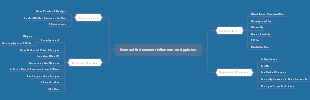
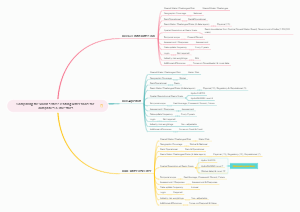
Funding can come from multiple sources:
Friends and family, angel investors, venture capitalists, and crowdfunding.
Each source has its own benefits and drawbacks.
Startups need to carefully consider their funding options:
They should evaluate the amount of funding required and how much control they are willing to give up.
They should also consider the potential for future funding rounds.
Friends and Family Funding:
Friends and family can be a great source of funding for startups.
They can provide seed capital and support for the entrepreneur.
Friends and family may be more willing to invest in a startup than traditional investors.
However, there are potential drawbacks to this form of funding:
Friends and family may not have experience in investing and may not understand the risks.
There may be personal or emotional strains on relationships.
Angel Investors:
Angel investors are highnetworth individuals who invest in startups.
They usually invest in exchange for equity in the company.
Angel investors often bring valuable expertise and connections to the table.
However, angel investment can have its risks:
Angel investors may want a high return on their investment, which can put pressure on the startup.
Angel investors may also have a say in the company's decisionmaking.
Venture Capitalists:
Venture capitalists are firms that invest in startups with high growth potential.
They typically invest larger amounts of capital compared to angel investors.
Venture capitalists often provide strategic guidance and introductions to potential clients or partners.
However, venture capital funding can come with certain requirements:
Venture capitalists often require a large equity stake and may have specific exit requirements.
The company may also need to meet certain growth targets to secure further funding rounds.
Crowdfunding:
Crowdfunding involves raising funds from a large group of individuals via an online platform.
Crowdfunding can provide access to a large network of potential investors.
It also allows startups to validate their business idea and create buzz around their brand.
However, crowdfunding also has its limitations:
Not all platforms may be suitable for all businesses.
Startups also need to carefully manage their campaign and keep their backers engaged.
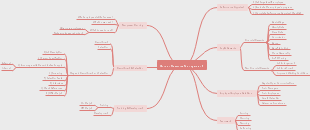
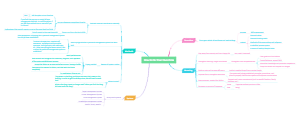
Seed Funding is the initial capital used to start a new business
Founders typically use their own funds or money from friends and family
Angel investors also provide Seed Funding in exchange for equity
Series A Funding is the first significant round of institutional investment
Used to support more substantial growth and expansion
Typically provided by venture capital firms
Series B, C, and D Funding are subsequent rounds of funding used for further growth
Companies will continue to seek additional funding until they reach profitability or go public
Series D Funding is sometimes referred to as the IPO (Initial Public Offering)
Equity Crowdfunding allows the general public to invest in startups
Investors receive equity in the company in exchange for their investment
This type of funding is becoming increasingly popular due to the JOBS Act of 2012
Debt Financing allows a company to borrow money from banks or other lenders
The company must pay back the loan with interest
Debt Financing can be risky for startups as they may not have the revenue to pay back the loan
Grants and Contests provide nondilutive funding for startups
Companies can apply for grants from government agencies or private organizations
Pitch contests allow startups to compete for funding and exposure
 Wondershare EdrawMind