Self-assessment and Goal Setting
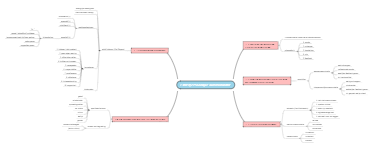
Conduct a self-assessment to identify strengths, areas for improvement, and career aspirations
What are my talents and strengths?
Set specific career goals and objectives, considering both short-term and long-term aspirations as a PMO Manager.
What knowledge or skills do I need to enhance?
Enhance Project Management Skills (Months 1-6)
Pursue professional certifications such as PMP (Project Management Professional) or PRINCE2 (Projects in Controlled Environments).
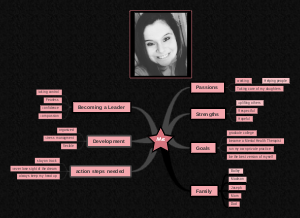
Develop career from renowned organization for experience
Attend project management training programs and workshops to develop advanced project management skills.
Being rewarded as good performer
Seek opportunities to lead or participate in complex projects to gain hands-on experience.
Be a successful businessman and serve benefits to the society
Develop Leadership and Management Skills (Months 1-12):
Participate in leadership development programs or workshops to enhance management skills.
Seek opportunities to lead teams and projects, practicing effective team management and delegation.
Improve interpersonal and communication skills to effectively collaborate with stakeholders at all levels.
Year 2 - Expand Knowledge of PMO Functions (Months 1-12):
Gain a deeper understanding of PMO functions and best practices through self-study, research, and industry publications.
Attend conferences, seminars, or webinars focused on PMO management and emerging trends.
Network with other PMO professionals to exchange knowledge and learn from their experiences.
Foster Business Acumen (Months 6-12):
Develop an understanding of the organization's industry, business model, and strategic goals.
Seek opportunities to work on cross-functional projects to gain exposure to different business units.
Learn about financial management, risk assessment, and other business-related skills.
Year 3 - Improve Communication and Influencing Skills (Months 1-12):
Enhance written and verbal communication skills to effectively articulate project goals, progress, and outcomes.
Develop presentation and facilitation skills to conduct effective meetings, workshops, and training sessions.
Learn negotiation and influencing techniques to navigate challenging situations and build consensus.
Stay Updated on Technology and Tools (Months 1-12):
Keep abreast of emerging project management tools and technologies relevant to PMO functions.
Participate in training programs or workshops to learn new software or project management platforms.
Participate in training programs or workshops to learn new software or project management platforms.
Year 4 - Seek Mentorship and Coaching (Months 1-12):
Identify a senior PMO Manager or experienced project management professional as a mentor.
Seek guidance and advice from mentors to navigate career challenges and explore growth opportunities.
Consider executive coaching to receive personalized support and guidance in career development.
Build a Professional Network (Months 1-12):
Join professional project management organizations and associations.
Attend industry conferences, seminars, and networking events to connect with peers and industry experts.
Engage in online forums and communities to share knowledge, seek advice, and expand professional networks.
Year 5 - Pursue Continuous Learning (Months 1-12):
Read books, articles, and blogs on project management, leadership, and related topics.
Enroll in online courses or webinars to gain new knowledge and skills.
Embrace a growth mindset and seek opportunities for personal and professional development.
Embrace a growth mindset and seek opportunities for personal and professional development.
Request regular performance evaluations and feedback from supervisors or HR.
Identify areas of improvement and create action plans to address them
Document achievements, milestones, and success stories to showcase progress and accomplishments.
 Wondershare EdrawMind