 Wondershare EdrawMind
MindMap Gallery Software Development
- 224
- 5
- 1
Software Development
Software development is a dynamic and ever-evolving field that plays a crucial role in the advancement of technology and the digital age. It involves the process of designing, coding, testing, and maintaining software applications or systems to meet specific user needs and requirements. This mind map will explore the world of software development, highlighting its key components, methodologies, and the skills required to excel in this field. It will also delve into the importance of software development in various industries and its impact on innovation and problem-solving.
Edited at 2023-07-15 21:38:58
- Recommended to you
- Outline

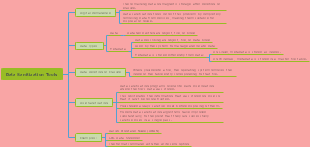
software developer
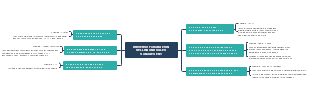
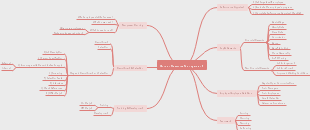
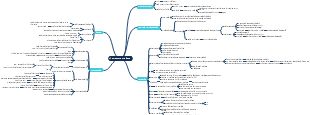
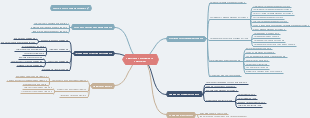
As a software developer, my role is to design, develop and maintain computer software. I work with a team of other developers, engineers, and designers to create innovative and userfriendly software solutions that meet the needs of our clients. My work requires a deep understanding of various programming languages, databases, and software development methodologies. On a daytoday basis, I spend most of my time coding and debugging software programs. I work closely with my team to understand the requirements of each project and then use my knowledge and expertise to develop the software that meets those requirements. I am constantly learning and updating my skills to keep up with the latest trends in software development. One of the most rewarding aspects of my job is seeing the impact that our software has on our clients' businesses. Whether it's helping to streamline processes, improving user experience, or increasing revenue, knowing that I've contributed to someone's success is incredibly satisfying. However, software development is not without its challenges. Tight deadlines, demanding clients, and complex technical requirements can all make for a stressful work environment. But, as a team, we are committed to overcoming these challenges and delivering the best possible results for our clients. Overall, being a software developer requires a combination of technical expertise, creativity, and problemsolving skills. While it can be challenging at times, it is also an incredibly rewarding career that allows me to make a real impact in the world of technology.
Design and develop software
Analyze user requirements
Develop highquality code
Use programming languages, frameworks and tools
Java, Python, Ruby, .Net, Visual Studio, Eclipse
AngularJS, React, Laravel, Django, Spring
GitHub, JIRA, Jenkins, SonarQube
Test and debug software
Unit testing, Integration testing, System testing
Identify and fix defects
Refactoring and optimization
Collaborate with team members
Work with project managers, quality assurance testers, and other developers
Communicate effectively, both verbally and in writing
Participate in code reviews and meetings
Share knowledge and best practices
Stay uptodate with new technologies
Attend conferences and training sessions
Research and experiment with emerging trends
Keep skills current and relevant
Specialize in certain areas
Frontend development
Develop user interfaces
Use HTML, CSS, JavaScript
Create responsive and accessible designs
Backend development
Implement serverside logic
Work with databases and APIs
Ensure scalability and security
Fullstack development
Combine frontend and backend skills
Develop endtoend solutions
Participate in all phases of the software development life cycle
Pursue career advancement
Seek new challenges and opportunities
Elevate skills and abilities
Develop leadership and management skills
Contribute to open source projects and communities.
Develop software applications for different platforms and industries.
Work closely with stakeholders to gather requirements and design solutions.
Collaborate with product managers, designers, and other developers to define the product.
Conduct analysis of business requirements to create project specifications.
Use various programming languages and technologies to implement and test software.
Take advantage of modern software development techniques, such as agile and DevOps.
Employ software development methodologies and processes to ensure highquality code.
Follow coding standards, perform code reviews, and write unit tests.
Use version control systems and continuous integration tools to manage code changes.
Maintain and troubleshoot software throughout its lifecycle.
Provide technical support, perform maintenance tasks, and fix bugs.
Analyze and optimize software performance to improve usability and scalability.
Keep uptodate with new technologies, frameworks, and programming languages.
Communicate effectively with stakeholders and team members.
Participate in daily standup meetings, sprint planning sessions, and retrospectives.
Report progress to management and clients, and provide guidance to junior developers.
Constantly strive to improve your skills, knowledge, and professionalism.
Learn new programming languages and technologies, attend conferences, and network with peers.
Contribute to opensource projects and engage in the software developer community.
Responsibilities:
Design, develop, and maintain software applications and systems.
Analyze user requirements and recommend software solutions.
Write clean, efficient, and welldocumented code.
Debug and troubleshoot issues that arise.
Collaborate with crossfunctional teams to achieve project goals.
Skills:
Proficiency in programming languages such as Java, Python, and C++.
Understanding of software development methodologies and practices.
Familiarity with source control systems like Git and SVN.
Ability to work in a team and communicate effectively.
Strong problemsolving and criticalthinking skills.
Education and experience:
Bachelor’s degree in computer science or related field.
3+ years of experience in software development.
Experience working with databases and web application development.
Career path:
Junior Software Developer > Software Developer > Senior Software Developer > Software Architect.
Develops software applications and programs
Has expertise in programming languages such as Java, Python, C++, and Ruby
Has knowledge of software development methodologies such as Agile and Waterfall
Works with a team of developers to design, develop, and deploy software
Utilizes software development tools such as Integrated Development Environments (IDEs) and version control systems
Responsibilities include developing, testing, and deploying software applications
Collaborates with clients and endusers to gather requirements and ensure software meets their needs
Troubleshoots and debugs software issues and ensures software quality and performance
Keeps uptodate with new software development trends and technologies
May specialize in a specific area such as web development, mobile app development, or software testing
May also be responsible for maintaining and updating existing software applications.
Responsibilities
Writing clean, maintainable code
Debugging and troubleshooting
Collaborating with team members
Keeping up with industry trends
Required Skills
Strong problemsolving skills
Proficiency in programming languages like Java, Python, and C++
Understanding of software development life cycle
Familiarity with version control systems like Git
Ability to work in a team
Preferred Experience
Developing applications for web, desktop, and mobile platforms
Experience with frontend frameworks like React and Angular
Knowledge of agile methodologies like Scrum and Kanban
Education and Certifications
Bachelor's degree in Computer Science or related field
Certifications in specific programming languages or technologies
Career Paths
Moving towards senior developer or software engineering roles
Transitioning into technical project management or software architecture
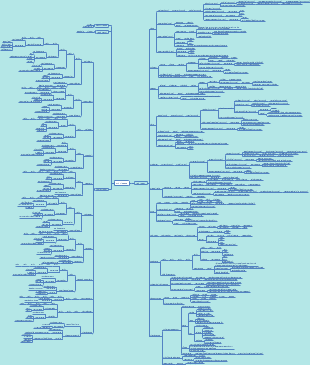
Software Developer:
Creates, designs, and develops software
Writes code in various programming languages
Java, Python, C++, etc.
Uses coding best practices and design patterns
Debugs and tests code to ensure functionality
Continuously learns new languages and technologies
Collaborates with other developers and stakeholders
Works with project managers to set timelines and deliverables
Communicates with clients to understand their needs and requirements
Uses development tools and software
Integrated development environments (IDEs)
Version control systems (e.g. Git)
Testing frameworks (e.g. JUnit)
Debugging tools (e.g. IntelliJ)
Documents code and processes
Writes technical specifications and user manuals
Tracks and maintains project documentation
Participates in code reviews and continuous improvement
Enhances code quality and performance
Provides constructive feedback to peers
May specialize in certain areas of software development
Frontend development
Develops user interfaces and clientside functionality
Uses web technologies (e.g. HTML, CSS, JavaScript)
Backend development
Develops serverside functionality and database integration
Uses frameworks and languages (e.g. Spring, Ruby on Rails)
Fullstack development
Develops both frontend and backend functionality
Combines different technologies and frameworks
Mobile development
Develops native or hybrid mobile applications
Uses platformspecific tools and languages (e.g. Android Studio, Xcode)
DevOps
Focuses on automation and deployment of software
Uses tools and technologies (e.g. Docker, Jenkins)
Security
Focuses on securing software and systems
Uses best practices and tools (e.g. OWASP, security scanners)
Roles:
Software Engineer
Web Developer
Mobile Developer
Game Developer
Fullstack Developer
Frontend Developer
Backend Developer
Skills:
Programming Languages: Java, Python, C++, JavaScript
Frameworks: Spring, Django, React, Angular, Node.js
Version Control: Git, SVN
Database: MySQL, PostgreSQL, MongoDB, Oracle
Agile Methodologies: Scrum, Kanban
DevOps: Continuous Integration/Deployment, Docker
Testing: Unit Testing, Integration Testing, System Testing
Responsibilities:
Analyzing and understanding project requirements
Designing and developing software solutions
Collaborating with crossfunctional teams
Conducting code reviews
Testing and debugging code
Maintaining and updating existing software
Documenting software and processes
Deploying and managing software in production environments
Ensuring software security and performance
Qualifications:
Bachelor's degree in Computer Science or related field
Strong problemsolving and analytical skills
Proficiency in programming languages and frameworks
Experience with software development life cycle
Ability to work independently and in a team
Excellent communication and interpersonal skills
Career Growth:
Lead Developer
Technical Architect
Project Manager
Software Development Manager
CTO/CIO
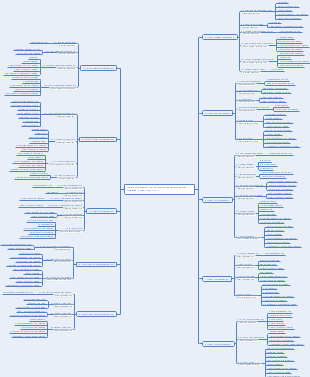
Software developer is a profession that involves designing, creating, testing, and maintaining software applications.
Education and Skills
A bachelor's degree in computer science or a related field is typically required to become a software developer.
Key skills for software developers include proficiency in programming languages, problemsolving, and communication.
Roles and Responsibilities
Software developers are responsible for analyzing user needs, designing software solutions, and writing code.
They also test, debug, and maintain software to ensure it meets quality standards.
Software Development Life Cycle
The software development life cycle includes phases such as planning, design, development, testing, and maintenance.
Developers may use agile methodologies to manage the process, which involve iterative development and frequent feedback.
Types of Software Development
Software development can encompass areas such as web development, mobile app development, game development, and enterprise software development.
Developers may specialize in one or more of these areas.
Trends in Software Development
Emerging trends in software development include artificial intelligence, machine learning, blockchain, and cloud computing.
Developers may need to acquire new skills to keep up with these trends and remain competitive in the job market.
Responsibilities:
Design software architecture
Write and test clean, efficient code
Collaborate with crossfunctional teams
Maintain and update existing software
Required skills:
Proficient in programming languages such as Java, C++ or Python
Understanding of software development principles and methodologies
Problemsolving and analytical skills
Strong communication and teamwork skills
Tools and technologies:
Integrated development environments (IDEs) such as Eclipse or Visual Studio
Version control systems like Git or SVN
Agile development frameworks such as Scrum or Kanban
Cloud computing and deployment tools like Amazon Web Services (AWS) or Microsoft Azure
Career development:
Progression to project or team lead roles
Opportunities to specialize in areas such as mobile development or artificial intelligence
Continuing education and training to stay uptodate with new technologies and techniques.
Responsibilities
Writing, testing, and maintaining code
Collaborating with team members and stakeholders
Designing and implementing software solutions
Debugging and resolving technical issues
Conducting code reviews and providing feedback
Staying uptodate with industry trends and advancements
Required Skills
Proficiency in programming languages such as Java, Python, and C++
Familiarity with databases, web development, and mobile app development
Knowledge of software design patterns and principles
Ability to work in a team and communicate effectively
Attention to detail and problemsolving skills
Adaptability and willingness to learn new technologies
Education and Experience
Bachelor's or Master's degree in Computer Science or related field
Experience with software development projects and tools
Familiarity with Agile and Scrum methodologies
Ability to work on multiple projects simultaneously
Strong portfolio demonstrating software development skills
Career Paths
Web Developer
Mobile App Developer
Game Developer
Software Engineer
Data Scientist
Technical Lead
Project Manager
Technical Writer
Technical Support Specialist
Quality Assurance Analyst
User Experience Designer
DevOps Engineer
Cybersecurity Analyst
Future Outlook
Rapid growth in demand for software developers
Increase in remote work opportunities
Need for developers with expertise in emerging technologies
Importance of soft skills in addition to technical skills
Continual learning and skills development necessary for career advancement
Responsibility:
Designing, coding, and testing software solutions for a variety of projects
Collaborating with crossfunctional teams to ensure software development life cycle runs smoothly
Analyzing user needs and developing software solutions that align with business requirements
Technical Skills:
Proficiency in programming languages such as Java, Python, and/or C++
Knowledge of software development methodologies such as Agile and Waterfall
Understanding of database design and management
Familiarity with relevant technologies such as cloud computing, artificial intelligence, and machine learning
Soft Skills:
Strong communication and interpersonal skills, able to effectively collaborate with team members and clients
Attention to detail and problemsolving skills to debug and troubleshoot technical issues
Time management and project management skills to meet deadlines and deliver highquality software solutions
Career Path:
Advancement opportunities through specialized roles such as Senior Developer, Technical Lead, or Architect
Possibility of transitioning into leadership and management roles such as Software Development Manager or Director of Engineering
Continued learning and professional development through certifications and conferences to stay uptodate with advancements in technology.
Develops software applications
Studies user requirements
Designs software applications
Writes code for software applications
Tests software applications
Debugs software applications
Maintains, updates, and improves software applications
Uses programming languages and tools
Java, Python, C++, C#, Ruby, PHP,
Eclipse, Visual Studio, Git, Jenkins,
MySQL, MongoDB, AWS, Docker,
React, AngularJS, jQuery, Node.js,
Android Studio, XCode
Works with other software developers and stakeholders
Collaborates with other developers
Communicates with project managers, business analysts, and quality assurance engineers
Presents software applications to clients for feedback
Continues learning to improve skills
Attends trainings and workshops
Reads technical blogs and articles
Practices coding in spare time
Participates in hackathons and coding competitions
Participates in software development life cycle
Analyzes user requirements
Designs software applications
Develops software applications
Tests software applications
Deploys software applications
Maintains software applications
Responsibilities:
Design, develop, and maintain software applications
Test and debug code to ensure proper functionality
Collaborate with crossfunctional teams including designers, product managers, and engineers
Utilize various programming languages and tools to build applications
Write clear and concise documentation for software solutions
Conduct code reviews and provide constructive feedback
Stay uptodate with emerging trends and technologies in software development
Skills:
Technical:
Proficient in programming languages such as Java, Python, or C++
Familiar with agile development methodologies
Experienced in using version control systems like Git
Knowledgeable in database design and management
Skilled in using frameworks like React or Angular for frontend development
Comfortable with using APIs and thirdparty services
Strong problemsolving skills and attention to detail
Ability to write efficient and scalable code
Soft:
Excellent communication and interpersonal skills
Good organizational and time management skills
Ability to work independently as well as in a team environment
Flexibility and adaptability to changing project requirements
Willingness to learn and stay updated with new technologies
Education:
Bachelor's degree in Computer Science or related field
Possessing relevant certifications and training courses is a plus
Career paths:
Software Engineer
Full Stack Developer
Backend Developer
Frontend Developer
Mobile App Developer
DevOps Engineer
Technical Lead
Software Architect
Employment opportunities:
Software development companies
Startups
Large corporations
Government agencies
Nonprofit organizations
Salary:
Depends on location, experience level, and job title
Entrylevel developers may earn around $65,000 per annum
Experienced developers may earn over $150,000 per annum
Responsibilities:
Develop and maintain software applications
Analyze user requirements, design and develop software solutions
Collaborate with crossfunctional teams to ensure project success
Technical Skills:
Proficiency in programming languages such as Java, Python, C++, etc.
Knowledge of database management and SQL
Familiarity with software development methodologies such as Agile and Waterfall
Experience in developing web applications using frameworks like React, Angular or Vue
Soft Skills:
Excellent communication and collaboration skills
Ability to work under pressure and meet deadlines
Problemsolving and decisionmaking skills
Attention to detail and willingness to learn and adapt to new technologies
Education and Certification:
Bachelor's degree in Computer Science or related field
Certifications in programming languages or software development methodologies
Career Paths:
Software Developer
Senior Software Developer
Technical Lead
Software Architect
Director of Software Development
Chief Technology Officer (CTO)
Responsible for creating and maintaining software systems
Develop software applications using programming languages such as Java and Python
Write code, debug errors, and test applications for functionality and performance
Collaborate with other team members and stakeholders
Work with product managers to identify software requirements and features
Collaborate with designers to create userfriendly interfaces
Communicate with other developers to ensure code is cohesive and meets project objectives
Stay uptodate on the latest technologies and advancements in software development
Attend conferences and workshops to learn about new tools and techniques
Read industry publications and participate in online forums to stay informed
Possess strong technical and problemsolving skills
Understand algorithms and data structures to efficiently solve problems
Use debugging and profiling tools to diagnose and fix bugs in the code
Follow best practices for software development
Write clean code that is easy to read and maintain
Use version control systems such as Git to manage code changes
Write documentation and provide training for other developers on the team.