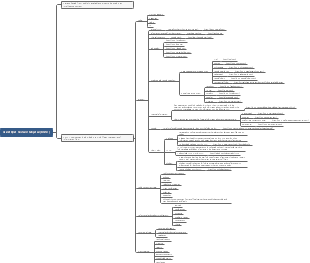
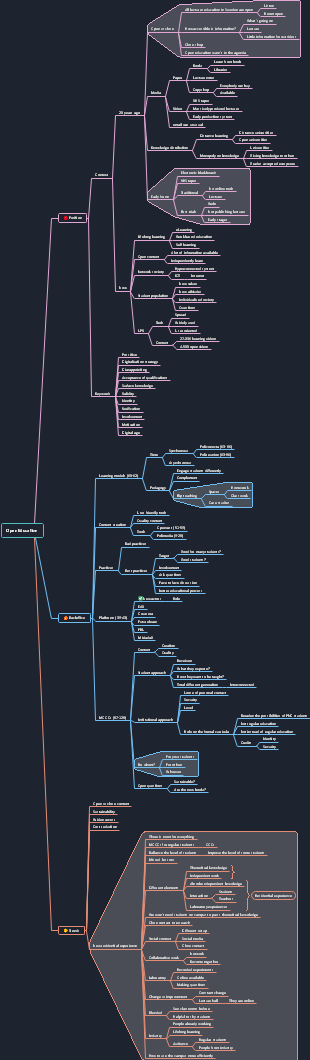
The computer education process in Myanmar has had a slow start but is gradually catching up with the modern world. The government has recognised the need for computer education and has started taking steps to implement it in schools and universities.
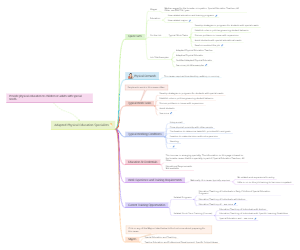
1. Primary Education: In primary schools, computer education is not yet part of the curriculum. However, the Ministry of Education has created a plan to start incorporating technology and computer skills courses into primary school curriculums.
2. Secondary Education: In most secondary schools, computer education is part of the curriculum and is taught as a separate subject. Students learn skills such as word processing, spreadsheets, and internet browsing.
3. Higher Education: In universities and technical colleges, computer science programmes are offered, and students can choose to specialize in different areas of computer science such as software engineering, data science, and cybersecurity.
4. Private Sector Training: The private sector offers computer training courses that are tailored to meet the needs of different segments of the population. These courses include basic computer skills, programming languages, and software development.
The challenges faced by the computer education process in Myanmar include the lack of access to computers and the internet, inadequate infrastructure, and the high cost of computer equipment. However, the government is taking steps to address these challenges by implementing policies aimed at promoting ICT education and infrastructure development.
 Wondershare EdrawMind