MindMap Gallery 4-6 month plan my 10 priorities
A personal month plan is a powerful tool that can help you achieve your goals, prioritize your tasks, and make the most of your time. By taking the time to plan out your month, you can stay organized, focused, and motivated throughout the month.
Edited at 2023-08-14 22:37:084-6 month plan: my 10 priorities
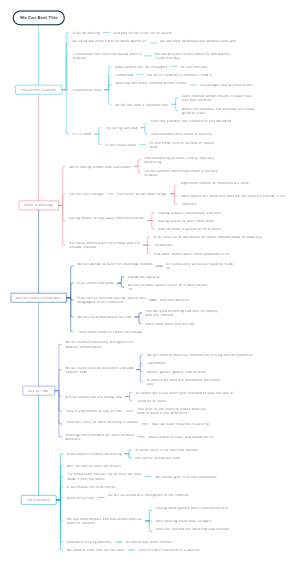
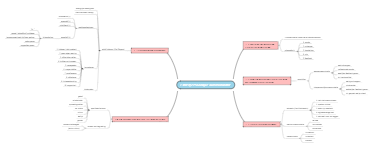
Successfully enter RADA
What I need
Openness, responsive, adaptable. "If you have the voices creeping inside your head, you will find Drama school very difficult.
In the months of preparation
Research
Research RADA
Steps
Seek out grads. They have the most honest opinions of the school.
Go to an open day if possible, and really investigate the school.
Learn online. Most drama schools have decent websites. You can find out more about teaching staff, course curriculum, and usually insights on recent grad successes.
Ask the industry. This is one fantastic piece of advice that very few actors take on, probably because when they are starting out they don’t have a lot of industry contacts, but if you do know anyone in the industry – theatre directors, casting directors, agents, ask their opinion on which schools are performing well at the moment.
Think about what your character is doing before he/she speaks. How is s/he feeling? What movements is s/he doing before s/he speaks and during the monologue? Just standing there and appearing like you are ‘going through the motions’ will not make you that memorable or stand you out from the others auditioning.

Watch productions
Budgeting
Begin to put aside £5 towards your audition fee each week
Studying
Learn classical technique
Know what every word, line and thought means. Just having a general understanding is not good enough.
Classical work demands more breath, commitment and focus than most contemporary work.
Start reading and watching the work of Shakespeare, Marlowe, Sophocles and all the great playwrights. Start to get a sense of how their work demands more of you as an actor.
Study contemporary texts
If you've given yourself enough time you can explore with a few monologues. Read new monologues each week and work on them or even better, perform them for a teacher or coach and see which ones really resonate with you.
Ask questions
What has just happened?
Where am I? What time of day is it? What is in the space around me? How do I feel about the space?
What do I want? Why do I continue to speak for 2 or 3 minutes? Finding out the reasons, or deciding on a reason for why you are speaking is vital.
Who am I speaking to?
What is my relationship to the person or people I am speaking to?
Read plays in their entirety and study them inside out. Similar prep that you did for english literature, know what happens in every act.
Physical preparation
Alexander Technique sessions. This is one of many great practices that helps with alignment, and body connectivity. You could also look at Yoga, Feldenkrais, Tai Chi, Qi Gong, or best of all work with a specific movement practitioner.
Practice breathing techniques
Tips
Pick pieces that are active. Something where there is a real drive through the work. You don't want to be too reflective or passive. There are too many actors auditioning, and if you're stuck doing a passive monologue with passive choices, you'll get lost in the sea of the passionless. This isn't about being loud, aggressive or over the top. Simplicity is still so important. But if the work doesn't ignite a fire within you and is too casual, you are unlikely to excite the panel. So be decisive. Often it's the monologue we read and get that initial excitement about that ends up being the best choice.
Use my own dialect
Think of your audition as a two-minute play, must have changes of mood, tone, pace and atmosphere
Have a back up plan
Other schools?
LAMDA, Guildhall, Central, East 15 etc.
The night before
Good nights sleep, a healthy breakfast, and a bottle of water on the day. It can also be a good idea to clear a few days before the audition. You don’t want to be auditioning the day after a horrible day at work. So if you can clear your schedule you will be putting yourself in the best headspace possible to ace the audition.
During the audition
I would always take a moment to work out your geography. Where are the people I am talking to in the room? What is in the room?
I would think about what has just happened. In the context of the play did someone just speak, or has there been silence? Transcending into this moment before will help to fire you into the work.
Get yourself into the most open and relaxed state possible. That doesn’t mean lethargic, but nerves are your biggest obstacle on the day, so staying calm and centred is a great.
Come out of character naturally and at your own pace, don't disconnect so quickly and hold it.
Prepare answers for these questions:
What did you think of the play? Did you like it?
Do you like the playwright?
What do you think the playwright is trying to say?
What do you want in the scene?
Who is this character? What is there relationship to the other characters?
Achieve a healthy long term mindset
Get physically fit and lose weight
Have a stable earning job
Graduate Bodens with distinction star
Finish Project Lost Heir
Read 10 books
Travel independently
Get flexible
Develop singing technique
Floating Topic
What panels need