Wondershare EdrawMind
MindMap Gallery IT asset lifecycle management
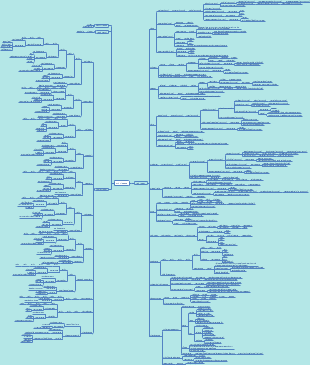
IT asset lifecycle management
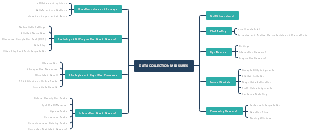
IT asset lifecycle management is a strategic approach that enables organizations to effectively manage their information technology assets throughout their entire lifecycle. From acquisition to disposal, this process involves planning, tracking, and optimizing IT assets to maximize their value, minimize risk, and ensure efficient operations.
Edited at 2023-08-21 05:35:56
- Power Point Slide for Communication and Engagement Manager Role Interview
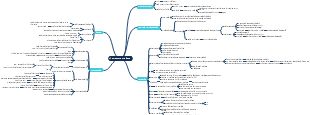
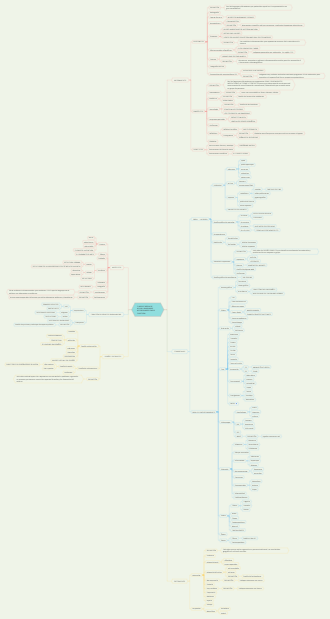
Conducting an interview for the role of a Communication and Engagement Manager is a critical step in finding the right candidate who can effectively drive communication strategies and engage stakeholders within an organization. To ensure a successful interview process, a mind map can serve as a valuable tool to outline the key areas of focus and questions to ask during the interview. In this mind map, we will explore the various aspects of the Communication and Engagement Manager role and the qualities and skills required for success in this position.
- IT asset lifecycle management
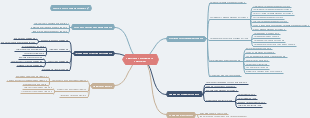
IT asset lifecycle management is a strategic approach that enables organizations to effectively manage their information technology assets throughout their entire lifecycle. From acquisition to disposal, this process involves planning, tracking, and optimizing IT assets to maximize their value, minimize risk, and ensure efficient operations.
- Building a cybersecurity program for a manufacturing industry
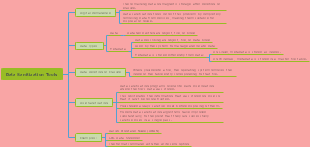
Building a cybersecurity program for a manufacturing industry involves a comprehensive approach to safeguarding critical infrastructure, sensitive data, and intellectual property from cyber threats. This mind map will explore the key components and considerations for establishing a robust cybersecurity program tailored to the unique challenges and requirements of the manufacturing sector.
IT asset lifecycle management
- Power Point Slide for Communication and Engagement Manager Role Interview
Conducting an interview for the role of a Communication and Engagement Manager is a critical step in finding the right candidate who can effectively drive communication strategies and engage stakeholders within an organization. To ensure a successful interview process, a mind map can serve as a valuable tool to outline the key areas of focus and questions to ask during the interview. In this mind map, we will explore the various aspects of the Communication and Engagement Manager role and the qualities and skills required for success in this position.
- IT asset lifecycle management
IT asset lifecycle management is a strategic approach that enables organizations to effectively manage their information technology assets throughout their entire lifecycle. From acquisition to disposal, this process involves planning, tracking, and optimizing IT assets to maximize their value, minimize risk, and ensure efficient operations.
- Building a cybersecurity program for a manufacturing industry
Building a cybersecurity program for a manufacturing industry involves a comprehensive approach to safeguarding critical infrastructure, sensitive data, and intellectual property from cyber threats. This mind map will explore the key components and considerations for establishing a robust cybersecurity program tailored to the unique challenges and requirements of the manufacturing sector.
- Recommended to you
- Outline