MindMap Gallery Business Plan
A business plan is a comprehensive document that outlines an organization's goals, strategies, and tactics to achieve those goals. It serves as a roadmap for a company's success, guiding decision-making processes and providing a framework for measuring performance. Developing a business plan requires careful consideration of various factors such as the market, competition, resources, financing, and operations.
Edited at 2023-08-23 12:22:19Bookkeeping Business Plan
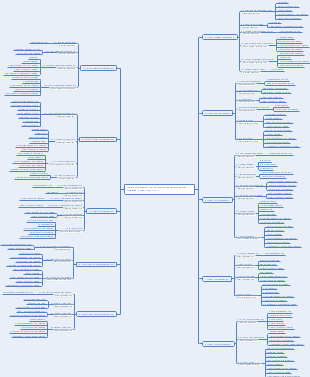
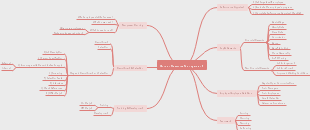
Executive summary
Overview
Mission statements and Target Clients
Target customers
Market size
Financial overview
Projected cost
Projected income
Projected turnover
Cash flow
Balance sheet
Business location
Leasing
Accessibility
Weather Aspects
SWOT analysis
Strength
Weakness
Threat
Opportunity
Market analysis
Main market
Market demand
Market trend
Market growth
Competition analysis
Main competitors
Different from competitors
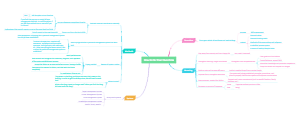
Goals
Goals for a bookkeeping plan:
Accurate financial recordkeeping
Recording income and expenses
Tracking sales revenue
Monitoring costs and expenses
Documenting receipts and invoices
Maintaining a cash flow statement
Tracking cash inflows and outflows
Analyzing cash flow patterns
Identifying potential cash shortages or surpluses
Recording inventory changes
Tracking purchases and sales
Calculating cost of goods sold
Monitoring inventory levels
Managing accounts receivable and payable
Monitoring customer payments and collections
Tracking vendor payments and invoices
Ensuring timely bill payments and collections
Compliance with financial regulations and tax laws
Preparing and filing financial statements
Generating balance sheets
Producing income statements
Creating cash flow statements
Maintaining proper documentation and records
Organizing receipts and invoices
Keeping track of financial transactions
Archiving financial records for auditing purposes
Monitoring and adhering to tax requirements
Calculating and paying taxes owed
Filing tax returns accurately and on time
Complying with tax laws and regulations
Efficient financial analysis and decisionmaking support
Generating financial reports and analysis
Analyzing profitability and financial performance
Assessing liquidity and solvency
Identifying areas for cost reduction and improvement
Providing accurate and timely financial information
Facilitating decisionmaking processes
Supporting budgeting and forecasting activities
Enabling financial planning and goal setting
Conducting financial ratio analysis
Assessing financial health and stability
Evaluating operational efficiency
Benchmarking against industry standards
Strengthening internal controls and fraud prevention
Implementing segregation of duties
Separating financial responsibilities
Preventing conflicts of interest
Deterring fraudulent activities
Establishing internal control procedures
Requiring approval for financial transactions
Implementing regular audits and reviews
Monitoring and mitigating risks
Ensuring data accuracy and integrity
Verifying financial information and entries
Performing reconciliations and variances analysis
Detecting and correcting errors and discrepancies.
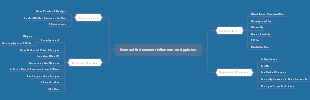
Business Setup and Operations
Legal Requirements
Registration
licenses and permits
Office Setup
Leasing
Location
Equipments
Furnitures
Accessibility
Weather Aspects
Management team
Partners
Organizational Chart
1. Toplevel Management:
CEO, President, or Managing Director.
Responsible for setting the overall strategic direction of the company.
2. Middlelevel Management:
Department Managers or Regional Managers.
Implements and manages the strategies defined by the toplevel management.
3. Lowerlevel Management:
Team Leaders or Supervisors.
Responsible for overseeing daytoday operations and ensuring proper execution of tasks.
4. Functional Departments:
Finance
Treasury
Budget Management
Audit
Pricing and Revenue
Determining pricing strategies for bookkeeping services
Calculating revenue projections and setting financial goals
Expense Management
Estimating expenses for office setup, staff salaries, software, etc.
Implementing costeffective measures to optimize expenses
Cash Flow Management
Monitoring cash inflows and outflows to ensure sufficient working capital
Establishing credit and collections policies to manage cash flow
Financial Planning and Analysis
Creating financial forecasts and budgets
Analyzing financial performance and making adjustments as needed
HR
CSM
Talent Acquisition
On-Boarding
Learning and Development
Marketing
Operations
5. Staff Positions:
VA's
IT
Workforce Management
Quality Management
Operational Procedures
Design Processess and Workflows
Systems and Technologies
Software
CRM
Communication
Video Conferencing
Telephony
Security and Confidentiality
Business Bank account
Company profile
Scope
USA
Philippines
Uniqueness
Values
Flexibility
P:ricing
Structure
Partnership
Service Offerings
Basic Bookkeeping Services
Maintaining financial ledgers and journals
Recording daily financial transactions
Reconciling bank statements
Generating financial reports (balance sheet, income statement, cash flow statement)
Payroll Services
Processing employee payroll, calculating taxes, and generating pay stubs
Managing payroll taxes and filings
Accounts Payable/Receivable
Tracking and managing vendor invoices and payments
Tracking and collecting customer payments
Financial Analysis and Reporting
Analyzing financial data to provide insights and recommendations
Creating customized financial reports for clients
Achievement
What
Short term
Long term
When?
Project plan
Strategic plan
1. Environmental Analysis
Analyzing market trends, competition, and regulatory factors.
Identify opportunities for growth and potential threats that may impact the organization.
2. Internal Analysis
Evaluate the organization's strengths and weaknesses, including its resources, capabilities, and core competencies.
Determine areas for improvement and areas of competitive advantage.
3. Goal Setting
Define the organization's longterm vision and mission statement.
Establish specific, measurable, attainable, relevant, and timebound (SMART) goals.
4. Strategy Formulation
Develop strategies and action plans to achieve the organization's goals.
Consider different strategic alternatives, such as market penetration, product development, diversification, or strategic alliances.
5. Strategy Implementation
Allocate resources, assign responsibilities, and establish performance measures.
Communicate the strategy throughout the organization to ensure alignment and buyin.
6. Monitoring and Evaluation
Monitor the progress towards goals and adapt the strategy as needed.
Evaluate the effectiveness of the strategy and make adjustments to improve performance.
Detailed business plan
Description
Risk
Market
SWOT
Company wishes
Financial projections and analysis
Cost
Income
Turnover
Profit and loss
Estimation of expenses, including salaries, rent, and marketing.
Make
Cash-flow analysis plan
Startup plan
Branding
Logo
Budget
Marketing and Aquisition
Branding and Positioning
Online Presence
Networks and Partnerships
Client Retention and Referrals
Risk assessment and contingency plans
Identification of potential risks and challenges.
Strategies for risk management and mitigation.
Contingency plans for unexpected setbacks.
Release plan
Execute plan
Location
Market plan
Staff
Startup