Wondershare EdrawMind
MindMap Gallery Identify diabetes emergencies
Identify diabetes emergencies
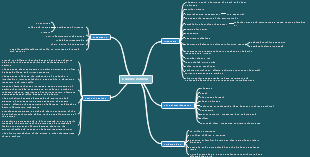
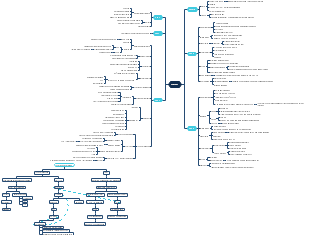
This mind map clearly identifies emergency situations related to diabetes, including characteristics and symptoms, blood sugar levels, and changes in condition. Each content is further expanded into multiple layers, such as hypoglycemia and hyperglycemia. As a visual tool, the mind map mimics the neural network of the human brain with its central theme radiating outward, using themes, branches, and keywords to facilitate memory, organization, and creativity stimulation.
Edited at 2023-09-12 12:53:02
- Nursing Management Based On Kavon Hashemi’s Case
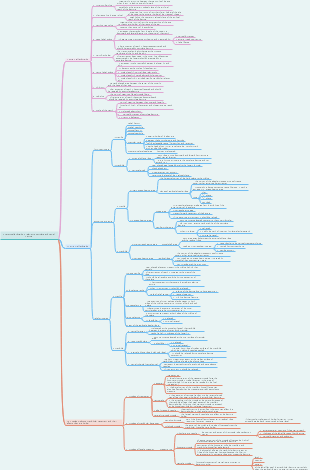
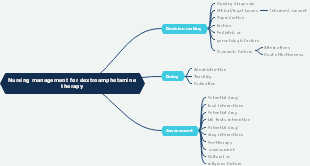
Nursing management is an indispensable part of the medical field, with the goal of providing high-quality nursing services to patients through effective management and organization. To achieve this goal, nursing managers need to possess good organizational, communication, coordination, and problem-solving skills. They need to understand the process and standards of nursing work, master the training and management skills of nursing staff, and also pay attention to aspects such as nursing quality, safety, and efficiency. Nursing management requires not only guidance and management of individual nursing staff, but also management and coordination of the entire nursing team. Effective nursing management can improve the quality of nursing services, increase patient satisfaction, and promote the overall development of hospitals. This is a mind map of Nursing Management Based On Kavon Hashemi's Case. The map contains 7 main branches, which are: Initial Assessment, DIAGNOSIS, Pre-Operative Phase, Intra-Operative Phase, Post-Operative Care, Next Day Care, Initial assessment, diagnosis, pre-operative phase, intra-operative phase, post-operative care, next day care, Discharge Planning. Each branch has a detailed description of the subbranches. For those interested in Nursing Management.
- ER Admission: A Boy's Case
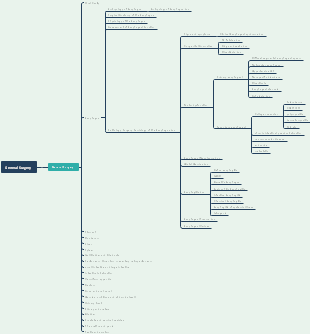
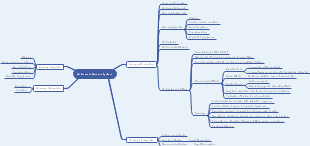
This mind map, crafted using an Edraw template, details the steps involved in admitting a boy to the emergency room, including initial assessment, pre-operative phase, and post-operative care. It is an educational tool for medical students, emergency care staff, and pediatricians, designed to enhance understanding and preparedness for emergency situations.
- Identify diabetes emergencies
This mind map clearly identifies emergency situations related to diabetes, including characteristics and symptoms, blood sugar levels, and changes in condition. Each content is further expanded into multiple layers, such as hypoglycemia and hyperglycemia. As a visual tool, the mind map mimics the neural network of the human brain with its central theme radiating outward, using themes, branches, and keywords to facilitate memory, organization, and creativity stimulation.
Identify diabetes emergencies
- Nursing Management Based On Kavon Hashemi’s Case
Nursing management is an indispensable part of the medical field, with the goal of providing high-quality nursing services to patients through effective management and organization. To achieve this goal, nursing managers need to possess good organizational, communication, coordination, and problem-solving skills. They need to understand the process and standards of nursing work, master the training and management skills of nursing staff, and also pay attention to aspects such as nursing quality, safety, and efficiency. Nursing management requires not only guidance and management of individual nursing staff, but also management and coordination of the entire nursing team. Effective nursing management can improve the quality of nursing services, increase patient satisfaction, and promote the overall development of hospitals. This is a mind map of Nursing Management Based On Kavon Hashemi's Case. The map contains 7 main branches, which are: Initial Assessment, DIAGNOSIS, Pre-Operative Phase, Intra-Operative Phase, Post-Operative Care, Next Day Care, Initial assessment, diagnosis, pre-operative phase, intra-operative phase, post-operative care, next day care, Discharge Planning. Each branch has a detailed description of the subbranches. For those interested in Nursing Management.
- ER Admission: A Boy's Case
This mind map, crafted using an Edraw template, details the steps involved in admitting a boy to the emergency room, including initial assessment, pre-operative phase, and post-operative care. It is an educational tool for medical students, emergency care staff, and pediatricians, designed to enhance understanding and preparedness for emergency situations.
- Identify diabetes emergencies
This mind map clearly identifies emergency situations related to diabetes, including characteristics and symptoms, blood sugar levels, and changes in condition. Each content is further expanded into multiple layers, such as hypoglycemia and hyperglycemia. As a visual tool, the mind map mimics the neural network of the human brain with its central theme radiating outward, using themes, branches, and keywords to facilitate memory, organization, and creativity stimulation.
- Recommended to you
- Outline