MindMap Gallery account
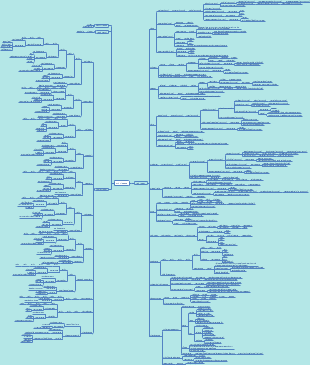
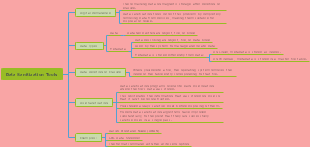
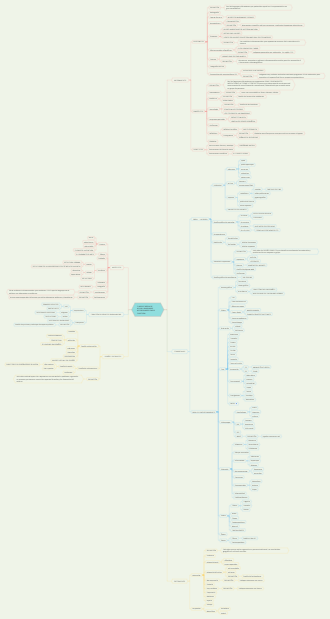
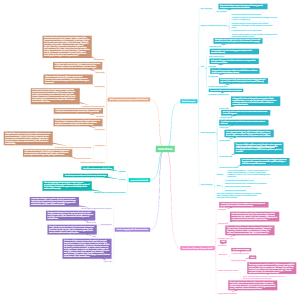
This mind map clearly shows various aspects of account-customer recyclable objects, including texture and reflective content, principles, etc. Each content is further divided into multiple levels, such as leading economics, accounting methods, etc. It mimics the human brain structure, aiding in memory and information organization.
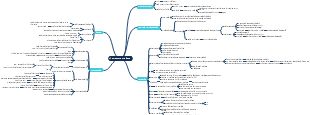
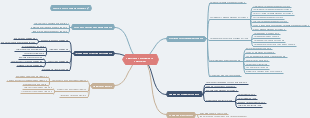
Edited at 2023-09-17 10:47:03This mind map on the special report clearly presents elements such as payment, review, and examination, along with details like storage and receipts. It organizes information graphically to enhance memory and creative thinking.

This mind map clearly shows various aspects of account-customer recyclable objects, including texture and reflective content, principles, etc. Each content is further divided into multiple levels, such as leading economics, accounting methods, etc. It mimics the human brain structure, aiding in memory and information organization.
Accounting for receivables involves recording and managing the amounts owed to a company by its customers or clients. It is important for businesses to follow certain principles and guidelines to ensure accurate and reliable financial reporting. Here are some key principles of accounting for receivables:
This mind map on the special report clearly presents elements such as payment, review, and examination, along with details like storage and receipts. It organizes information graphically to enhance memory and creative thinking.
This mind map clearly shows various aspects of account-customer recyclable objects, including texture and reflective content, principles, etc. Each content is further divided into multiple levels, such as leading economics, accounting methods, etc. It mimics the human brain structure, aiding in memory and information organization.
Accounting for receivables involves recording and managing the amounts owed to a company by its customers or clients. It is important for businesses to follow certain principles and guidelines to ensure accurate and reliable financial reporting. Here are some key principles of accounting for receivables:
Account 131 - Customer Receivables
Methods of accounting for some major economic transactions.
When selling products that have not earned money, recognize revenue.
Subject to taxation. Indirect taxes are payable separately upon receipt of revenue.
Debit accounts 131
Credit accounts 333
Credit accounts 511
Failure to separate taxes payable.
Dedit accounts 511
Credit accounts 333
Accounting for sales is returned by customers.
Debit 5213
Debit 333
Credit accounts 131
Accounting for trade discounts and sales discounts.
The amount of payment discounts payable to the buyer by the buyer pays for the purchase before the specified deadline, deducted from the customer's receivables.
Debit account 111
Debit account 112
Debit account 635
Credit account 131
Receive money paid by customers, receive advances from customers under contracts of sale or provision of services.
Debit accounts 111, 112...
Credit account 131
Credit account 515
Customers do not pay with money but with goods.
Debit account 152
Debit account 153
Debit account 156
Debit account 611
Debit account 133
Credit account 131
Arising bad debts
Debit account 229
Debit account 642
Credit account 131
Accounting for trust fee receivables at the import-export entrusted party.
Debit account 131
Credit account 511
Credit account 3331
Customer receivable balances in foreign currency are evaluated according to the actual exchange rate at the time of preparing the financial statements.
If the foreign currency exchange rate increases compared to the Vietnamese Dong exchange rate.
Debit account 131
Credit account 413
If the foreign currency exchange rate decreases compared to the Vietnamses Dong exchange rate.
Debit account 413
Credit 131
Accounting methods related to construction contracts.
The construction contract stipulates that the contractor will be paid according to the planned progress
Documents reflecting revenue corresponding to completed work (not invoices) are determined by the contractor himself. Debit account 337 - Credit account 511
Invoices are prepared according to the planned schedule to reflect the amount the customer must pay according to the planned schedule stated in the contract. Debit account 131 - credit account 337 and 3331
The contractor is paid according to the value of the volume performed, and the accountant must issue an invoice based on the completed work confirmed by the customer.
Debit account 131
Credit account 511
Credit account 3331
Bonuses collected from customers.
Debit account 131
Credit account 511
Credit account 3331
Compensation obtained from customers or other parties.
Debit account 131
Credit account 511
Credit account 3331
When receiving payment for completed works or advances from customers.
Debit accounts 111, 112,...
Credit account 131
Principle
Detailed accounting for each object, recording content according to each payment. The target audience is customers who have economic relations with enterprises.
The export trust records the proceeds of export sales.
Reflect the receivables and the situation of debt payment. Does not reflect immediate collection.
Detailed accounting is the classification of debts, types of debts that can be paid on time, bad debts.
In a product relationship that is not in accordance with the agreement, reduce the price or return the delivered goods.
Receivables in foreign currency are converted into Vietnamese dong at the transaction rate at the time of incurrence.
Texture and reflective content
Credit
The amount repaid by the customer.
The amount received in advance, prepaid.
Sales discounts.
The revenue of the goods sold is returned by the buyer.
Payment and trade discount amounts.
Revaluation of receivables in foreign currency.
Debit
The excess amount returned to the customer.
Customer receivables.
Revaluation of receivables in foreign currency.
Debtor balance
The amount receivable from the customer.
There may be a party balance that has, reflecting the amount received in advance or the amount collected more than the receivable. Prepare a balance sheet that takes the detailed balance of "Assets" and "Sources of Capital".