MindMap Gallery Generations of Computers
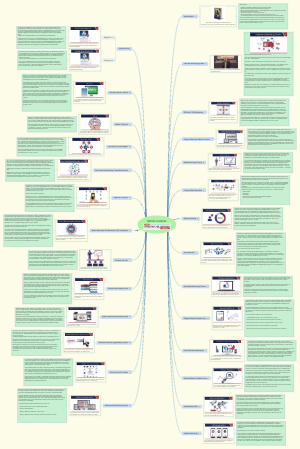
The evolution of computers can be categorized into eight generations, each characterized by significant advancements in technology. Here are the generations of computers.
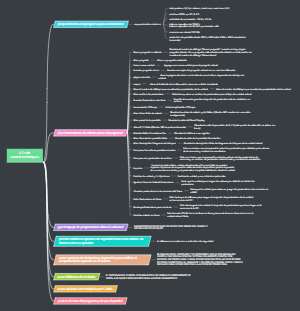
Input and output devices are essential components of computer systems that allow users to interact with and receive information from the computer. Here are some different types of computer devices.
Friction is the force resisting the relative motion of solid surfaces, fluid layers, and material elements sliding against each other.
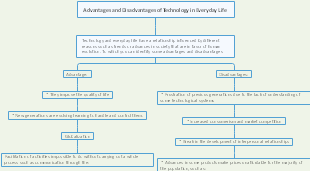
advantages and disadvantages of technology
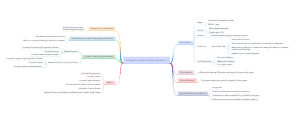
College Computer Science Teachers
CT soft control techniques
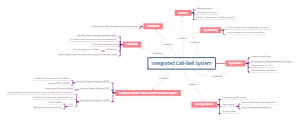
Integrated Call-Bell System
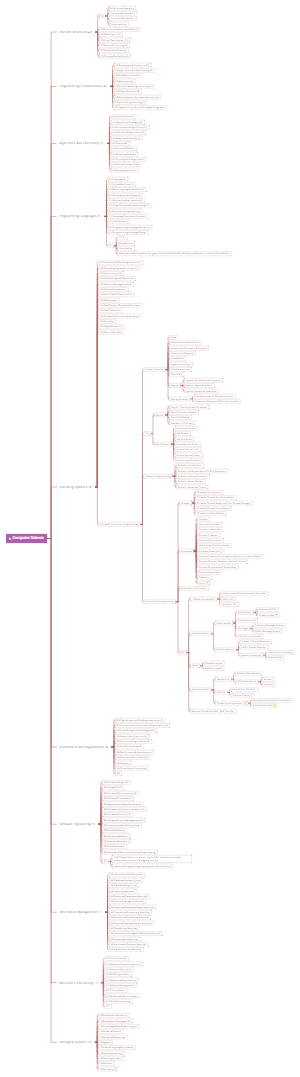
Computer Science
The Internet Business School - Simon Coulson
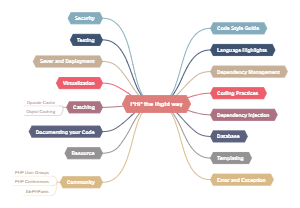
PHP the Right way
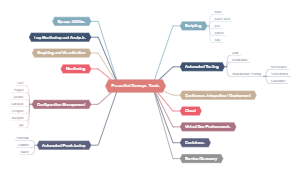
Essential DevOps Tools
Java Topics
MPLS Training
generations of computers
First Generation:
Vacuum tubes were used as the main electronic component.
ENIAC was one of the earliest computers built using vacuum tubes.
Size and power consumption were significant drawbacks of vacuum tube computers.
Magnetic drums were used for data storage.
Limited storage capacity and slow access times were drawbacks of magnetic drums.
Second Generation:
Transistors replaced vacuum tubes.
Smaller, more reliable, and consumed less power than vacuum tubes.
Led to the development of smaller and faster computers.
Magnetic core memory was introduced.
Improved storage capacity and access times compared to magnetic drums.
Used in mainframe computers and early minicomputers.
Third Generation:
Integrated circuits (ICs) replaced individual transistors.
Allowed for the miniaturization of electronic components.
Led to the development of smaller and more powerful computers.
Introduction of timesharing operating systems.
Allowed multiple users to access a computer simultaneously.
Increased efficiency and utilization of resources.
Fourth Generation:
Microprocessors were invented.
Integrated all the functions of a CPU onto a single chip.
Led to the development of personal computers (PCs).
Graphical User Interfaces (GUIs) were introduced.
Made computers more accessible to nontechnical users.
Enabled the use of icons, windows, and menus for interaction.
Fifth Generation:
Artificial Intelligence (AI) and expert systems emerged.
Used advanced algorithms and machine learning techniques.
Enabled computers to perform tasks that previously required human intelligence.
Development of parallel processing and supercomputers.
Increased computing power and speed for complex calculations and simulations.
Sixth Generation:
Advancements in nanotechnology and quantum computing.
Potential for further miniaturization and increased processing power.
Integration of computers with various other devices.
Internet of Things (IoT) and interconnected smart devices.
Seventh Generation:
Continued advancements in AI and machine learning.
Further automation and cognitive capabilities.
Development of more energyefficient and environmentally friendly computing technologies.
Eighth Generation:
Hypothetical future advancements in computing technology.
Speculations on potential breakthroughs and innovations.
Emphasis on security and privacy in the digital age.
Protection against cyber threats and data breaches.