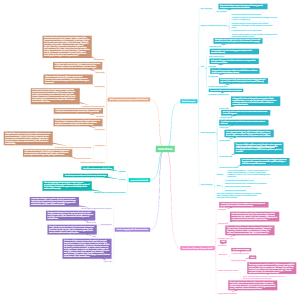
MindMap Gallery Adobe's Cyber Attack History
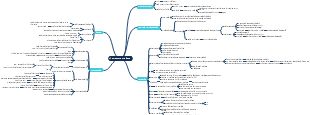
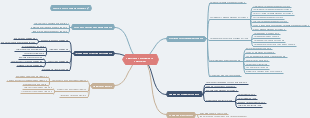
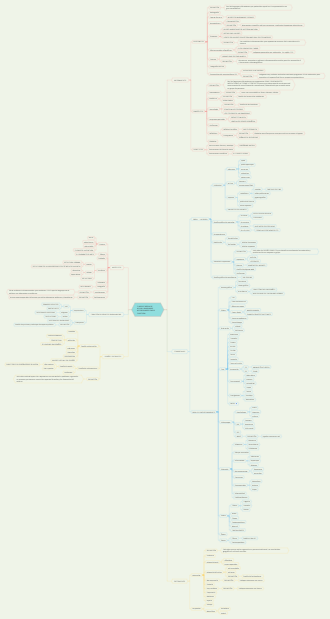
Adobe Inc., originally called Adobe Systems Incorporated, is an American multinational computer software company incorporated in Delaware and headquartered in San Jose, California. Adobe has experienced several cyber attacks in its history. In response to these incidents, Adobe has taken steps to enhance its cybersecurity measures, including implementing stronger encryption, improving incident response procedures, and providing security updates for its products.
Edited at 2023-10-12 13:38:42Adobe's Cyber Attack History
Overview
" Inception of Adobe's Cyber Attacks "
Attacks in 2012
Adobe's Source Code Breach
" Nature of the Breach "
Server Vulnerabilities Exploited:The breach involved the exploitation of vulnerabilities in Adobe's servers.
Source code accessed: Attackers managed to gain access to Adobe's source code, which is highly sensitive and proprietary information.
Customer data breached:In addition to source code, customer data was also compromised, including personal and possibly financial information.
Stolen data discovered on hacking forums:The stolen data was discovered on hacking forums, suggesting that it had been distributed or sold.
Widespread impact on customers:The breach had a broad impact, affecting a large number of Adobe's customers.
Prompt action by Adobe:Adobe took prompt action to address the breach once it was discovered.
" Law enforcement agencies involved "
Cooperation with FBI and other organizations:Adobe cooperated with law enforcement agencies, including the FBI, and collaborated with other organizations in an effort to track down the perpetrators.
Sharing of information and intelligence:Information and intelligence sharing were part of the joint efforts to identify the cybercriminals responsible for the breach.
Cybercriminals identified and apprehended:Law enforcement efforts led to the identification, arrest, and legal consequences for the hackers responsible for the breach.
Conviction and legal consequences
Sentencing of the hackers
" Impact on Adobe's reputation and trust "
Customer outrage and loss of confidence: The breach led to customer outrage and a loss of trust and confidence in Adobe's ability to safeguard their data.
Negative media coverage: The incident received negative media coverage, which further damaged Adobe's reputation.
Criticism of Adobe's security measures: Adobe faced criticism for its security measures, with many pointing out inadequate safeguards and a failure to protect customer data.
Critique of inadequate safeguards
Failure to protect customer data
Communication and response strategy: Adobe responded with a public apology and acknowledgement of the breach, as well as the implementation of enhanced security measures to prevent future incidents.
Public apology and acknowledgement
Implementation of enhanced security
" Financial implications for Adobe "
Costs of investigation and recovery: Adobe incurred costs related to investigating the breach, engaging cybersecurity experts, and strengthening its infrastructure and systems.
Engaging cybersecurity experts
Strengthening infrastructure and systems
Legal settlements and compensations: Adobe had to pay financial compensation to affected customers and likely entered into settlement agreements with regulatory authorities as a result of the breach.
Financial compensation to affected customers
Settlement agreements with regulators
Attacks in 2013
" Adversaries target Adobe again "
" Nature of the Breach "
Sophisticated attack techniques employed: The attackers used highly sophisticated methods, including the exploitation of zero-day vulnerabilities and spear-phishing campaigns that specifically targeted Adobe employees.
Zero-day vulnerabilities exploited: Zero-day vulnerabilities are security flaws that are previously unknown and, therefore, lack a fix or patch. Exploiting these vulnerabilities is highly effective for attackers.
Spear-phishing campaigns targeted employees: Spear-phishing campaigns are focused on specific individuals or organizations. In this case, Adobe employees were the target, likely with the goal of gaining access to the company's systems.
" Expansion of attack surface "
Infiltration of additional systems: The attackers managed to infiltrate additional systems beyond the initial entry point.
Network breaches and data exfiltration:This breach involved not only gaining access but also exfiltrating data from Adobe's network.
" Increased scope and impact "
Compromise of customer information: The breach compromised customer information, which can have severe consequences for the affected individuals and the company's reputation.
Ongoing data theft and unauthorized access: The attackers maintained unauthorized access and continued stealing data, indicating that the breach wasn't immediately detected or contained.
" Reactive measures by Adobe "
Rapid incident response: Adobe responded quickly to the incident by detecting and containing it as soon as possible.
Incident detection and containment
Activation of incident response team: An incident response team was likely mobilized to handle the breach.
Collaboration with external experts: Adobe engaged cybersecurity consultants and collaborated with law enforcement agencies to investigate and address the breach.
Engagement of cybersecurity consultants
Collaboration with law enforcement
" Focusing on system hardening "
Patching critical vulnerabilities: In response to the breach, Adobe likely prioritized the patching of critical vulnerabilities to prevent further exploitation.
Strengthening security controls: Security controls were likely enhanced to prevent future breaches and unauthorized access.
Attacks in 2019
" Persistent cybersecurity threats "
Online criminals continue targeting Adobe: US multinational corporation Adobe experienced one of the most significant cybercrimes. In October 2019, its databases were left open, and they were accessible to any individual without a passcode (Wingard, 2021). The company’s popular service, the Adobe Creative Cloud (CC), was the primary target exposed in this incident
" Impact on Adobe's infrastructure "
Disruption of systems and services
Potential compromise of sensitive data
" Proactive defense and mitigation strategies "
Heightened security measures implemented: hackers could exploit it to orchestrate phishing campaigns that target Adobe clients whose emails were disclosed. Some of the information that was revealed in the incident were email addresses, subscription status, member identities, account creation date, payment status, and time since login (Wingard, 2021). Due to the company’s fast response from the IT experts who reported the problem, the predicament was contained within a short time.
Deployment of advanced threat detection
Continuous monitoring and analysis
" Strengthening collaboration and communication "
Sharing threat intelligence with partners: Other companies were also able to learn from the incident and strengthen their counter-cybercrime strategies to prevent financial losses, brand reputation, and many other negative consequences.
Coordinating with industry peers and regulators: Bob Diachenko played a key role in helping Adobe find solutions to the problem. Diachenko was the person who discovered that Adobe’s information systems were compromised and took the required steps to notify the software giant (Wingard, 2021). As a result, the technology company was able to respond and bar the public from accessing its system while attempting to repair the damage.
Future considerations
" Learning from past experiences "
Continuous improvement of security practices
Robust vulnerability management
Regular security audits and penetration testing
Strengthening incident response capabilities
Rapid detection and incident containment
Streamlined coordination with stakeholders
" Adapting to evolving threats "
Monitoring emerging attack vectors
Investing in advanced threat intelligence
" Enhancing customer trust and protection "
Transparency on security measures
Empowering users with security features
" Collaboration for industry-wide resilience "
Sharing best practices and lessons learned
Partnership with cybersecurity community
" Preparation for a cyber-resilient future "
Building cyber defense capabilities
Business continuity planning and resilience
What is Adobe?
Adobe is a well-known American multinational computer software company that is best known for its various multimedia and creativity software products. It was founded in December 1982 and has its headquarters in San Jose, California. Adobe's software products are widely used in a variety of industries, including graphic design, web development, video editing, photography, and document management.
Adobe's Software Products
Adobe Photoshop: A graphics editing software used for image manipulation, retouching, and design.
Adobe Illustrator: A vector graphics editor used for creating logos, icons, and illustrations.
Adobe InDesign: A desktop publishing software for creating print and digital media materials, including magazines and brochures.
Adobe Premiere Pro: A video editing software used for professional video production.
Adobe After Effects: A software for creating motion graphics and visual effects in videos.
Adobe Acrobat: A software suite for creating, editing, and managing PDF documents.
Adobe Creative Cloud: A subscription-based service that provides access to Adobe's entire suite of creative software.
Adobe Lightroom: A photo editing and organization tool for photographers.