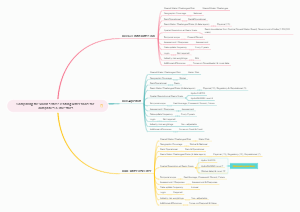
MindMap Gallery Employee Onboarding
Employee onboarding is a critical process that sets the tone for an employee's experience within an organization. It involves integrating new employees into the company and providing them with the tools, information, and connections they need to become productive and engaged members of the team. Effective employee onboarding is a strategic investment that can lead to higher employee satisfaction, faster integration into the team, and improved retention rates.
Edited at 2023-10-31 06:51:58Employee Onboarding
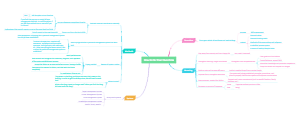
Resource Allocation
Computer
Software installation
Company Presentation
Vision
Mission
Customers
Sales numbers
Success stories
Workspace
Technical
Technology orientation
Online training
Udemy
Pre-recorded content
Offline training
Group sessions
Subject relevant training
Collaboration
Communication
Slack
Development
Online
Airtable
Gitlab
Meetings
Standup
Weekly
Employee Onboarding
Resource Allocation
Computer
Software installation
Company Presentation
Vision
Mission
Customers
Sales numbers
Success stories
1. Smooth and efficient employee onboarding is crucial for creating a positive customer experience from the start .
2. Customers appreciate companies that take the time to give a thorough and engaging company presentation .
3. A wellexecuted onboarding process ensures that employees are equipped to meet customer needs effectively .
4. Company presentations that highlight the company’s values and mission resonate with customers, building trust and loyalty .
5. Customer satisfaction often stems from knowing that employees have undergone a comprehensive onboarding process .
6. Engaging company presentations showcase the company’s commitment to providing exceptional customer service.
Workspace
Creating an efficient workspace is crucial for successful employee onboarding, ensuring a smooth transition into the company .
A welldesigned workspace can enhance the company presentation by providing a professional and inviting environment for clients and visitors .
The workspace plays a vital role in the employee onboarding process, setting the stage for a positive and productive introduction to the company .
An organized and aesthetically pleasing workspace is key to making a strong company presentation, reflecting the company's values and professionalism .
A comfortable and functional workspace is essential for effective employee onboarding, enabling new hires to quickly adapt and become productive members of the team .
The workspace is a reflection of the company's culture and brand, making it an important aspect of a successful company presentation.
Technical
Technology orientation
Online training
Employee onboarding is a critical process that sets the tone for an employee's experience with an organization. When done effectively, it can increase employee satisfaction, engagement, and productivity. A well-designed onboarding program helps new hires feel welcomed, valued, and connected right from the start. It provides them with the information, resources, and support they need to quickly acclimate to their new role and the company culture. This can include a comprehensive orientation program, introductions to key team members, and access to necessary tools and technology. Moreover, onboarding goes beyond just the first few days or weeks of employment. It should be an ongoing process that continues beyond the initial onboarding period. Regular check-ins and feedback sessions allow new employees to voice their concerns, ask questions, and provide suggestions. This not only reinforces a sense of belonging but also enables the organization to address any issues or gaps in the onboarding process. An effective onboarding program is not only beneficial to new hires but also to the organization as a whole. By investing in a proper onboarding process, employers can minimize turnover rates and reduce the time and costs associated with recruiting and training new employees. In addition, employees who feel supported and informed during onboarding are more likely to become valuable contributors to the organization, driving innovation and boosting overall performance. To ensure successful onboarding, organizations must tailor their programs to meet the needs and expectations of their specific workforce. This can include incorporating interactive and engaging activities, assigning mentors or buddies to new hires, and providing opportunities for socialization and team-building. Flexibility in the onboarding process can also accommodate different learning styles and preferences, leading to a more personalized and effective experience. In summary, a well-executed employee onboarding program is vital in creating a positive employee experience, fostering engagement, and maximizing productivity. Its holistic approach provides new hires with the right support, information, and sense of belonging, setting them up for success within the organization. By investing in effective onboarding, employers can reap the benefits of improved retention, productivity, and overall employee satisfaction.

Udemy
Pre-recorded content
Offline training
Group sessions
Subject relevant training
1. Use technology to streamline the employee onboarding process, ensuring a smooth transition for new hires .
2. Implement technical training programs to equip employees with the skills needed to excel in their roles .
3. Leverage technology to provide virtual onboarding experiences, allowing for flexible and remote employee onboarding .
4. Incorporate technologydriven assessments to gauge employee technical proficiency during the onboarding process .
5. Offer online resources and tutorials to support employees in familiarizing themselves with the company's technical systems .
6. Develop a technologyfocused onboarding curriculum that covers the specific tools and software used within the organization .
7. Utilize digital platforms for efficient communication and collaboration among new hires and their mentors during the initial phases of onboarding.
Collaboration
Communication
Slack
Development
Online
Airtable
Gitlab
Meetings
Standup
Weekly
1. Streamlining the employee onboarding process through automation and digital tools to improve efficiency and reduce paperwork .
2. Utilizing technology to provide online training modules and resources for new employees, ensuring they have access to necessary information anytime, anywhere .
3. Implementing a digital onboarding platform that allows new hires to complete paperwork and forms electronically, minimizing manual data entry and saving time .
4. Leveraging data analytics and reporting to monitor and evaluate the effectiveness of the onboarding program, identifying areas for improvement and enhancing the overall experience for new employees.