MindMap Gallery Gastrointestinal Physiology: Structures and Processes
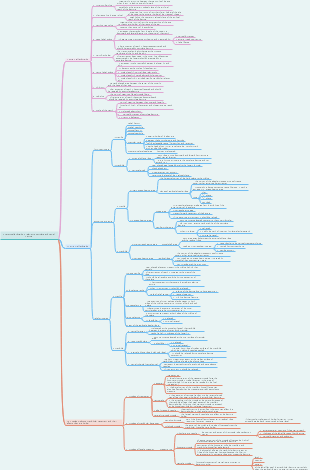
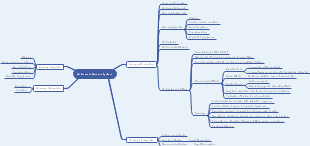
This detailed mind map serves as an educational resource, offering a deep dive into gastrointestinal physiology. It encompasses the essential structures and processes of the GI tract, from enzymatic digestion to nutrient absorption. Visual aids and concise explanations provide clarity on complex concepts like peristalsis, intestinal flora, and the gut-brain axis. This resource is ideal for students in medical and healthcare-related fields, as well as practitioners looking for a refresher on the foundational elements of gastrointestinal health.
Edited at 2023-11-28 23:46:58GI physiology
4 functions:
motility
Propulsive movements
Peristalsis - ringlike contractions of the circular smooth muscle, that moves progressively forward
Mixing movements
Segmentation - segmental ringlike contractions chop and mix food
secretion
digestion
absorption
rectum
The material in the rectum consists of a small volume of K+- rich fluid with undigested plant fibers, bacteria, and inorganic material.
Distention of rectum initiates defecation reflex, which causes internal anal sphincter to relax and the rectum and sigmoid colon to contract more vigorously.
•The stool contains few if any useful nutrients.
The presence of nutrients in stool (e.g. lipid -steatorrhea), indicates maldigestion, malabsorption, or both
large intestine
The main functions are completion of fluid absorption and the storage and elimination of fecal waste
Most water absorption occurs in the right colon.
Prior to defecation, fecal waste is stored in the left colon.
liver
Parasympathetic (vagal) stimulation results in contraction of the gallbladder and relaxation of the sphincter of Oddi as well as increased bile formation.
The presence of protein and fat in the duodenum stimulates the release of cholecystokinin (CCK).
CCK is the most powerful signal for gallbladder contraction and also mediates relaxation of the sphincter of Oddi
Metabolic processing of nutrients after their absorption
Storing glycogen, fats, iron, many vitamins
Bile salts, along with cholesterol and lecithin play an important role in facilitation fat absorption via micelles
Detoxification and elimination body wastes, drugs and other foreign substances
Synthesizing of plasma proteins
Secretion of bile
contains: bile salts (derivatives of cholesterol and aid fat digestion through their detergent action (emulsification)), cholesterol, lecithin and bilirubin (all derived from hepatocyte activity) in an aqueous alkaline fluid (added by the duct cells).
Any substance that increases bile secretion by the liver is called a choleretic.
The most potent choleretic is bile salts themselves
Secretin is released in response to low pH in the duodenum and stimulates an aqueous alkaline portion of bile secretion by the hepatic duct cells.
evokes bicarbonate secretion from the pancreatic ducts and biliary ducts, thereby neutralizing gastric acid in the duodenal lumen
Bilirubin - Yellow pigment that gives bile yellow color
Does not play a role in digestion
Metabolized by intestinal bacteria to urobilinogen (colorless)
80% of the urobilinogen is metabolized by bacteria and colors feces with stercobilin (brown).
Waste product excreted with the bile
Jaundice - bilirubin is formed more rapidly than it can be excreted, it accumulates in the body

pancreas
Provides secretions and buffers
The exocrine secretory cells (or acinar cells) secrete juice containing digestive enzymes
Enzymes are synthesized and stored in zymogen granules in the apical region of the cell.
ACh + CCK are secretagogues that stimulate exocytosis of zymogens into the acinar lumen (act by causing an increase in cytosolic Ca 2+).
Duct cells secrete large volume of juice with high concentration of alkaline salt sodium bicarbonate.
Exocrine pancreatic secretions and bile enter the duodenum when the sphincter of Oddi is relaxed.
small intestine
3 segments: Duodenum, Jejunum, ileum
Site where most of digestion and absoption occurs
After crossing the epithelium, most molecules diffuse into a capillary network inside the villus.
fats are transported into the lymphatic vessel, which drains from the intestine and then flows into the blood via thoracic duct
Motility
After a meal
segmentation contractions chop/mix/roll chyme and paristalsis slowly propels it toward large instestine.
Between meals
"housekeeping" contractions (MMC) propagate from the stomach through the entire small intestine, sweeping it clear of debris.
stomach
Gastric mucosal defense system
3 level barrier
Preepithelial
Mucus
Mucus Gel - non-stirred water layer that blocks diffusion of H+ and Pepsin
bicarbonate
Forms pH gradient (pH 1-2 in the gastic lumen, 6-7 along epithelial cell surface)
Epithelial
Cellular resistance
next line of defense through mucus secretion and ionic transport.
Growth factors, prostaglandins
Cell proliferation
Subepithelial
Blood flow
Micronutrient and oxygen supply
removal of toxic metabolites
Gastric motility and secretion
Secretes HCl and enzymes for protein digestion
Secretory cells
Acid secretion by Parietal Cells
3 main stimulants of H+ ion secretion:
Ach
Gastrin
Histamine
In the non-stimulated state, exhibit intracellular tubulovesicular network
contains the H+-K+ ATPase
Stimulants and inhibitors of gastric acid secretion:
histamine H2, acetylcholine muscarinic M3 and gastrin CCK2 receptors
location: Basolateral membrane
Synergistic
Greater effect on secretion rates when all 3 are present
secretion of acid can be markedly inhibited by blocking the action of only one of the triggers
Proton Pump Inhibitors (PPIs), such as omeprazole (PRILOSEC), diminish the daily production of acid (basal and stimulated) by 80-95%
Mixes the food with gastric secretions to produce chyme (thick liquid mixture)
Gastric mixing and emptying:
The main gastric factor is amount of chyme in the stomach: large amount of chyme in the distal stomach will stimulate gastric motility
acting directly on smooth muscle cells (stretch), via myenteric plexus neurons, vagus nerve and hormone gastrin
gastrin ---> stimulates both gastric motility and gastric secretion
Duodenal factors (presence of fatty, hypertonic, acidic chyme in duodenum) are inhibitory
Outside the digestive system: emotion, intense pain
INGESTION OF A MEAL
Gastric accommodation or receptive relaxation response.
proximal part of the stomach relaxes to receive the food
triggered by the activation of mechanosensitive nerve endings within the stomach wall and is mediated through intrinsic and vago-vagal reflexes
Activation of stretch receptors results in acetylcholine (ACh) release by vagal nerve endings
Acts presynaptically to release additional neurotransmitters that actively relax the gastric smooth muscle layers in the proximal part of the stomach.
vasoactive intestinal polypeptide (VIP) + nitric oxide (NO) have been implicated in this response. (CCK, cholecystokinin).
FASTING STATE:
migrating myoelectric complex (MMC) - long periods of quiescence (phase I), with short periods of waves of contractions (phases II and III)
housekeeping - serves to sweep the undigested material and bacteria into the colon.
No MMC contractions?
large quantities of indigestible materials may accumulate and even obstruct the lumen, particularly in the stomach (bezoars) ----> GASTRIC ULCERS
Gastric digestion and absorption
Preliminary digestion of proteins: pepsin and gastric lipase
Permits digestion of carbohydrates
No food or water is absorbed into the blood through stomach mucosa
Stores ingested food until it can be emptied into the small intestine
Functional Zones:
esophagus
Primary esophageal peristalsis
continuation of the peristaltic wave that begins during the pharyngeal stage of swallowing.
Secondary esophageal peristalsis
initiated by local mechanoreceptors sensing stretch.
Gastroesophageal reflux disease (GERD)
Heartburn and regurgitation are the typical symptoms of GERD
Less common are dysphagia (difficulty swallowing) and non-burning chest pain.
Atypical extra-esophageal symptoms: sore throat, coughing, increased salivation, and shortness of breath.
mouth
Mechanical breakdown of food
Saliva facilitates swallowing
Salvilary secretion
Sympathetic stimulation
Pruduction of smaller amount of thick saliva rich in mucus
Parasympathetic stimulation
Dominant role, abundant flow of watery saliva rich in enzymes
begins carbohydrate digestion (breakdown of polysaccharides into disaccharides by salivary amylase)
important in oral hygiene (lysozyme)
facilitates speech
No absorption
digestive tract
4 layers
mucosa
highly folded mucus membrane with exorcize, endocrine gland cells and specialized epithelial cells (absorption)
Gastrointestinal epithelium
Transport of nutrients
mucus layer + tight Junctions
continuous self-renewal
maintaining tissue homeostasis/ removing damaged cells
submucosa
CT
muscularis externa
Inner circular and outer longitudinal smooth muscle layers
serosa
Outer connective tissues that secrete serous fluid to lubricate and prevent friction
Enteric innervation
Sympathetic (- digestive activity) and Parasympathetic (+digestive activity)
Neurotransmitters
Vasoactive intestinal polypeptide
intestinal fluid and electrolyte secretion
inhibits motility
ATP + NO
inhibitory
Ach
Primary neurotransmitter
Secretion and motility stimulation
Organization
Myenteric plexus
gut motility control
Submucosal plexus
intestinal absorption and secretion
Brain-Gut Axis
controls GI function via ANS, GI hormones, Immune system
bidirectional system
Neurocrine regulation
Extrinsic innervation by ANS and activity of ENS
Endocrine regulation
hormone release ( after eating a meal)
changes the activity of distant segments of GI tract and/or organ draining into it.
Other mediators
alter the function of cells in locally
Paracrine-like fashion
(ex: histamine release from the cells in the stomach to control acid secretion)
Electrophysiology of GI smooth muscle
Basic electrical rhythm (BER) - Rhythmic, spontaneous, slow-wave potentials
Smooth muscle cells and ICC are coupled through gap junctions