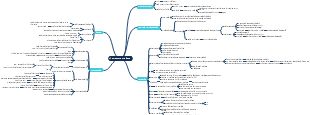
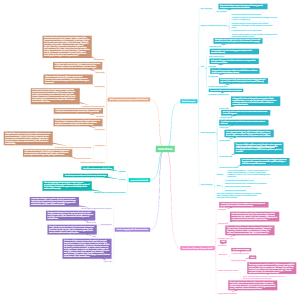
1. Identifying TBRs (To Be Resolved) - This involves recognizing and acknowledging which tasks, issues, or problems need to be resolved .
2. Prioritizing TBRs - Deciding which TBRs require immediate attention and which can be addressed later based on urgency and importance .
3. Creating a plan - Developing a step-by-step plan to tackle each TBR, including setting goals and defining the desired outcome for each resolution .
4. Gathering necessary information - Collecting all the relevant information, data, and resources required to understand and resolve the TBRs effectively .
5. Analyzing the root cause - Investigating the underlying reasons or causes behind each TBR to ensure long-term solutions rather than just addressing the symptoms .
6. Brainstorming solutions - Engaging in creative thinking and generating various ideas and potential solutions for each TBR .
7. Evaluating options - Assessing the feasibility, effectiveness, and potential impact of each solution before deciding on the most appropriate course of action .
8. Implementing the chosen solution - Putting the decided plan into action and executing the necessary steps to resolve each TBR effectively .
9. Monitoring progress - Regularly tracking and monitoring the progress of each TBR resolution to ensure that the implemented solution is producing the desired results .
10. Making adjustments if needed - Being flexible and open to making adjustments or modifications to the resolution process if progress is not as expected or if new information arises .
11. Documenting the process - Keeping records of the entire TBR resolution process, including the steps taken, decisions made, and outcomes achieved, for future reference and continuous improvement .
12. Celebrating successes - Recognizing and celebrating the successful resolution of TBRs to boost morale and motivation for future problem-solving endeavors.
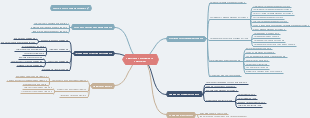
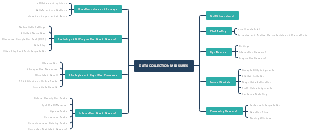
Strengths
Efficient handling of TBRs
Clear guidelines for resolution
Timely updates to stakeholders
Streamlined communication channels
Weaknesses
Lack of standardized TBR prioritization
Insufficient allocation of resources
Inconsistent resolution timelines
Limited accountability for resolution
Opportunities
Implementing automated TBR tracking systems
Enhancing collaboration among teams
Conducting regular training to improve resolution skills
Utilizing data analysis for identifying trends
Threats
Potential increase in unresolved TBRs
Loss of stakeholder trust due to delays or inadequate outcomes
Competing priorities affecting resolution process
Inadequate documentation hindering resolution efforts
 Wondershare EdrawMind