MindMap Gallery PSYCHOANALYTIC THERAPY
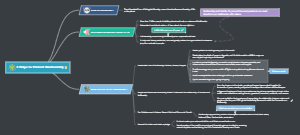
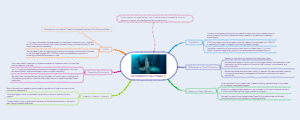
Psychoanalytic therapy is a type of psychotherapy that aims to help people understand and resolve unconscious conflicts that are causing them distress. It is based on the theories of Sigmund Freud, who believed that the unconscious mind plays a significant role in our thoughts, feelings, and behaviors. Psychoanalytic therapy typically involves free association, dream analysis, and transference analysis.
Edited at 2023-12-16 06:27:28Techniques & Procedures
Dream Analysis
the examination of a patient's dreams to uncover unconscious thoughts and emotions.
Procedures: • Explore and discuss the patient's dreams. • Identify symbols, themes, and emotions within the dream content. • Relate dream elements to the patient's waking life and unconscious conflicts.
Analysis & Interpretation of Resistance
resistance refers to the patient's reluctance or opposition to exploring certain thoughts or emotions.
Procedures: • Recognize signs of resistance, such as avoidance or defensiveness. • Explore the reasons behind resistance. • Interpret the underlying conflicts contributing to resistance.
Analysis & Interpretation of Transference
involves the patient projecting feelings and attitudes onto the therapist that originate from past relationships.
Procedures: • Identify instances of transference within the therapeutic relationship. • Explore the patient's feelings and perceptions toward the therapist. • Connect transference dynamics to past relationships and unresolved issues.
Interpretation
the therapist providing insights into unconscious processes based on the patient's associations, behaviors, and verbalizations.
Procedures: • Analyze the patient's verbalizations and behaviors. • Offer insights into unconscious processes. • Connect current thoughts and behaviors to underlying psychological dynamics.
Free Association
a psychoanalytic technique where the patient verbalizes thoughts as they come to mind without censorship or filtering.
Procedures: • Encourage the patient to speak freely. • Ask the patient to share thoughts as they arise. • Note patterns, repetitions, or emotional shifts in the patient's associations.
Maintaing the Analytic Framework
the structure and boundaries established by the therapist to create a safe and consistent space for exploration.
Procedures: • Set consistent therapy session schedules. • Designate a comfortable and private therapeutic space. • Define therapeutic boundaries and expectations.
BASIC QUESTIONS
Personal Background:
• Can you please provide some information about your personal background, such as your age, gender, and cultural background? • Do you have any significant life events or experiences that you feel might be relevant to your current concerns?
Current Concerns:
• What are the specific issues or problems that you are currently experiencing? • When did these concerns start or become more noticeable? • How do these concerns affect your daily life, relationships, or overall well-being?
Past History:
• Can you tell me about your childhood and upbringing? What was your relationship like with your parents or caregivers? • Have you experienced any significant traumas or losses in your life? • Are there any past events that you believe might have influenced your current concerns?
Relationships:
• How are your relationships with family, friends, and significant others? • Are there any patterns or recurring themes in your relationships that you have noticed?
Emotional and Mental Health:
• How would you describe your current emotional state? Are there any specific emotions that you are struggling with? • Have you experienced any mental health conditions in the past or are you currently diagnosed with any?
Dreams and Fantasies:
• Have you had any significant dreams or recurrent themes in your dreams that you would like to share? • Are there any fantasies or daydreams that you find yourself preoccupied with?
THERAPIST’S FUNCTION & ROLE
In classical psychoanalysis, analysts typically assume an anonymous non-judgmental stance, which is sometimes called the “blank-screen” approach. They avoid self-disclosure and maintain a sense of neutrality to foster a transference relationship, in which their clients will make projections onto them.
THERAPEUTIC GOALS
The ultimate goal of the psychoanalytic technique is to increase adaptive functioning that involves reduction of tension and resolution of conflicts. Importantly, the goals for a psychoanalytic counseling are:
1. Making the unconscious conscious. 2. Strengthening the ego
USED
Psychoanalytic therapy can help people with mental health problems such as:
• Depression • Emotional struggles • Emotional trauma • Feelings of low self-worth • Neurotic behavior patterns • Self-destructive behavior patterns • Personality disorders • Problems with identity • Ongoing relationship difficulties • Sexuality
CONTEMPORARY TRENDS
Ego Psychology, advocated by Anna Freud, focuses on strengthening the ego's adaptive functions, emphasizing defense mechanisms and coping strategies to enhance an individual's capacity for realistic and healthy functioning.
Object Relations Theory, developed by Melanie Klein, explores the impact of early relationships on the formation of internalized mental representations (objects), emphasizing the role of unconscious fantasies and interpersonal dynamics in shaping an individual's emotional world.
Self Psychology, introduced by Heinz Kohut, emphasizes the development of a healthy self through the fulfillment of narcissistic needs, highlighting the therapist's empathetic attunement and mirroring to foster self-cohesion and resilience.
The Relational Model, advanced by Stephen Mitchell and Jessica Benjamin, shifts the focus to the therapeutic relationship, viewing it as a mutual, co-constructed process where both therapist and client contribute to the understanding and transformation of relational patterns, emphasizing the importance of mutual recognition and authenticity in therapy.
BASIC PRINCIPLES
Unconscious Mind: based on the principle that a significant portion of mental activity occurs in the unconscious mind, influencing thoughts, emotions, and behaviors.
Defense Mechanisms: protect themselves from anxiety, and psychoanalytic therapy aims to uncover and understand these defenses to promote insight and change.
Early Childhood Experiences: especially those related to relationships and development, play a pivotal role in shaping an individual's personality and emotional well-being.
Holistic Approach: considering the interplay of biological, psychological, and social factors in shaping an individual's mental and emotional well-being.
PSYCHOANALYTIC THERAPY
Sigmund Freud
a form of psychological treatment that explores unconscious thoughts, emotions, and conflicts, aiming to enhance self-awareness and alleviate emotional distress through dialogue and the interpretation of underlying psychological processes.