Wondershare EdrawMind
MindMap Gallery An In-Depth Analysis of His Key Works and Characters
An In-Depth Analysis of His Key Works and Characters
Dive into the compelling world of Lu Xun, one of China's most influential modern writers, with our detailed mind map analysis. We decode the intricate web of characters and themes that populate his seminal works, from "Ah Q" to "Diary of a Madman". Our guide traverses the critique of feudal education, the satire on warlords, and the profound reflections on life and society that define Lu Xun's revolutionary thinking. Whether you're a student, a scholar, or an enthusiast of Chinese literature, this analysis will deepen your understanding of Lu Xun's impact on cultural and political discourse. Join us in uncovering the layers of human nature and societal constructs through the lens of Lu Xun's timeless narratives.
Edited at 2023-12-27 02:49:42
- An In-Depth Analysis of His Key Works and Characters
Dive into the compelling world of Lu Xun, one of China's most influential modern writers, with our detailed mind map analysis. We decode the intricate web of characters and themes that populate his seminal works, from "Ah Q" to "Diary of a Madman". Our guide traverses the critique of feudal education, the satire on warlords, and the profound reflections on life and society that define Lu Xun's revolutionary thinking. Whether you're a student, a scholar, or an enthusiast of Chinese literature, this analysis will deepen your understanding of Lu Xun's impact on cultural and political discourse. Join us in uncovering the layers of human nature and societal constructs through the lens of Lu Xun's timeless narratives.
- Decoding Lu Xun:A Comprehensive Mind Map of His Influential Characters and Themes
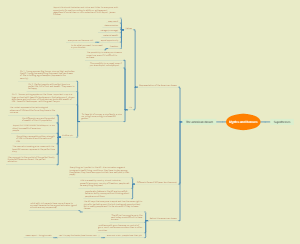
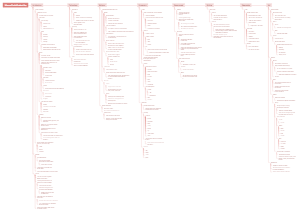
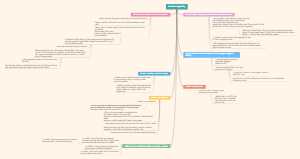
This extensive mind map offers a deep dive into the complex literary world of Lu Xun, one of China's most pivotal writers. It covers his multifaceted characters like Zhou Boyi, Fan Ainong, and the notorious Mrs. Yan, reflecting on themes such as feudalism, patriarchy, and revolution. The map also highlights Lu Xun's critical perspective on the old education system and his satirical takes on the warlords of his time. It’s an essential resource for students, scholars, and readers eager to explore the depths of modern Chinese literature and understand the societal undercurrents addressed in Lu Xun's groundbreaking works.
- Lu Xun's Legacy: A Mind Map Exploration of His Characters, Themes, and Philosophical Insights
Explore the intricate landscape of Lu Xun's literary works with our comprehensive mind map, which dissects the rich tapestry of characters and themes from his celebrated narratives. Delve into the depths of Zhou Boyi's traditionalism, the rebellion of Fan Ainong, and the cunning of Mrs. Yan, all set against the backdrop of a society in flux. Our analysis brings to light Lu Xun's penetrating critique of feudal education, his satire of the warlord era, and his poignant musings on life, making it a perfect resource for students, educators, and enthusiasts eager to understand the nuances of early 20th-century Chinese literature. Enhance your knowledge of a revolutionary thinker who masterfully blended storytelling with socio-political commentary.
An In-Depth Analysis of His Key Works and Characters
- An In-Depth Analysis of His Key Works and Characters
Dive into the compelling world of Lu Xun, one of China's most influential modern writers, with our detailed mind map analysis. We decode the intricate web of characters and themes that populate his seminal works, from "Ah Q" to "Diary of a Madman". Our guide traverses the critique of feudal education, the satire on warlords, and the profound reflections on life and society that define Lu Xun's revolutionary thinking. Whether you're a student, a scholar, or an enthusiast of Chinese literature, this analysis will deepen your understanding of Lu Xun's impact on cultural and political discourse. Join us in uncovering the layers of human nature and societal constructs through the lens of Lu Xun's timeless narratives.
- Decoding Lu Xun:A Comprehensive Mind Map of His Influential Characters and Themes
This extensive mind map offers a deep dive into the complex literary world of Lu Xun, one of China's most pivotal writers. It covers his multifaceted characters like Zhou Boyi, Fan Ainong, and the notorious Mrs. Yan, reflecting on themes such as feudalism, patriarchy, and revolution. The map also highlights Lu Xun's critical perspective on the old education system and his satirical takes on the warlords of his time. It’s an essential resource for students, scholars, and readers eager to explore the depths of modern Chinese literature and understand the societal undercurrents addressed in Lu Xun's groundbreaking works.
- Lu Xun's Legacy: A Mind Map Exploration of His Characters, Themes, and Philosophical Insights
Explore the intricate landscape of Lu Xun's literary works with our comprehensive mind map, which dissects the rich tapestry of characters and themes from his celebrated narratives. Delve into the depths of Zhou Boyi's traditionalism, the rebellion of Fan Ainong, and the cunning of Mrs. Yan, all set against the backdrop of a society in flux. Our analysis brings to light Lu Xun's penetrating critique of feudal education, his satire of the warlord era, and his poignant musings on life, making it a perfect resource for students, educators, and enthusiasts eager to understand the nuances of early 20th-century Chinese literature. Enhance your knowledge of a revolutionary thinker who masterfully blended storytelling with socio-political commentary.
- Recommended to you
- Outline