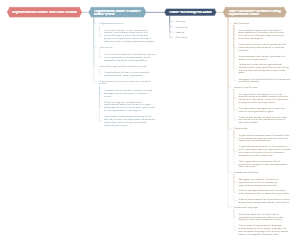
should ideally:
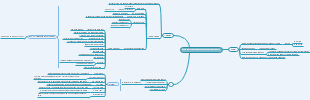
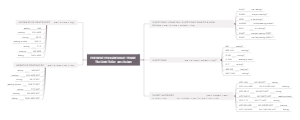
• For public companies, the audit committee must be composed of outside
directors, i.e., directors who are not members of management and do not
have other relationships with the firm (e.g., as vendor, consultant, or
general counsel)
• The audit committee should include at least one financial expert who has an
understanding of GAAP and has relevant accounting and audit experience
• The committee should have clear written terms of reference setting out its
authority and its duties.
key objectives
– To increase public confidence in the credibility and objectivity of
published financial information.
– To assist the directors in carrying out their responsibilities for
financial reporting.
– To strengthen the position of the external auditors by providing a
channel of communication at board level without the constraint of any
executive bias
primary responsibilities
– Provide oversight of the accounting and financial reporting
processes and of the financial statement audits
– Appoint, compensate, and oversee the external auditor,
including approving any non–audit services to be provided
by the external auditor
– Ensure that the board establishes a whistleblower program – The authority to hire and fire the head of the internal audit function
– Set the budget for the internal audit activity, and review the internal
audit plan and discuss all significant internal audit results
– Performing or supervising special investigations, reviewing policies on
sensitive payments, maintaining communication between the board,
management, the external auditors, and the internal auditors, and
coordinating periodic reviews of compliance with company policies
such as corporate governance policies
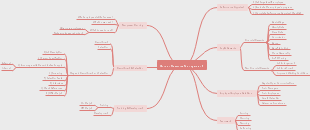
audit committee expects the external auditor to report to the audit committee:
– All critical accounting policies and practices used by management
– All material alternative GAAP treatments that have been discussed
with management
– Other material written communications between the auditor and
management
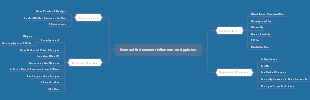
advantages • It can improve the quality of management accounting as they are able to criticize internal reporting, which is not necessarily the responsibility of the external auditors. • It can facilitate communication between the directors, internal and external auditors and management.
• It can help minimize any conflicts between management and the auditors.
• It can facilitate the independence of the internal audit role if the internal auditors report to the Audit Committee directly.
disadvantages: • It can be perceived that their purpose is to criticize or ‘catch out’ executive management.
• This can result in the perception, if not the reality, of a two–tier board.
• The non–executives can become too embroiled in detail and start to act like executive directors thus losing their independence.
 Wondershare EdrawMind