MindMap Gallery Convention Bureau Private Network
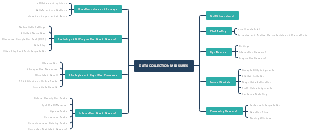
Convention Bureau Private Network is a private network platform designed specifically for the conference and event industry. Through this platform, members can enjoy an efficient and secure communication and collaboration experience, ensuring the smooth progress of various meetings and activities. This platform gathers numerous professional resources within the industry and provides members with a one-stop service solution, including venue selection, equipment leasing, event planning, etc. In addition, it also has strict privacy protection measures to ensure the security of member information. Joining the Convention Bureau Private Network will be your best choice for improving the quality of conference activities and expanding business cooperation. This is a mind map about Convention Bureau Private Network. The map contains 8 main branches, namely: Definition, Responsibilities, Benefits of Working with a Marketplace Convention Bureau, Conclusion, Future trends and developments in the industry, Challenges faced by the Marketplace Convention Bureau, Success factors for a Marketplace Convention Bureau, Services offered by a Marketplace Convention Bureau. Each branch has a detailed description of its sub branches. Suitable for people interested in Convention Bureau Private Network.
Edited at 2024-02-03 11:58:38Convention Bureau Private Network
Definition: An organization that promotes and facilitates conventions and marketplaces.
Responsibilities
Organizing and hosting conventions and marketplaces.
Providing logistical support for event planning and execution.
Attracting participants, exhibitors, and sponsors to conventions and marketplaces.
Benefits of working with a marketplace convention bureau
Access to a network of industry professionals and potential business partners.
Opportunities for knowledge-sharing and learning through seminars and workshops.
Increased visibility and brand recognition for participants and exhibitors.
Facilitated business opportunities and connections through networking events.
Services offered by a marketplace convention bureau
Event planning and management.
Venue selection and negotiation.
Marketing and promotion of conventions and marketplaces.
Registration and ticketing services.
On-site logistical support and coordination.
Success factors for a marketplace convention bureau
Strong industry knowledge and expertise.
Efficient and effective event management capabilities.
Proactive marketing and promotional strategies.
Excellent customer service and participant satisfaction.
Challenges faced by marketplace convention bureaus
Competition from other event organizers and destinations.
Economic and financial considerations for both the bureau and participants.
Maintaining relevance and staying updated with industry trends.
Balancing the needs and expectations of various stakeholders.
Future trends and developments in the industry
Integration of technology for enhanced participant experience.
Emphasis on sustainability and eco-friendly practices.
Expansion of virtual and hybrid event formats.
Collaboration with local communities and businesses for mutual benefits.
Increasing globalization and international participation in conventions and marketplaces.
Conclusion: A marketplace convention bureau plays a vital role in promoting and facilitating successful conventions and marketplaces by providing essential services, industry expertise, and networking opportunities. Through their efforts, they contribute to the growth and development of industries and businesses.
Association Management Software
Main Topic
Main Topic
Main Topic
Association Management Software
Definition and purpose
Association Management Software (AMS) is a software system designed specifically to help associations and non-profit organizations manage their operations effectively.
The primary purpose of AMS is to streamline administrative tasks and centralize information, enhancing overall efficiency and productivity.
Key features and functionalities
Database management
AMS provides a centralized database to manage member information, including contact details, membership status, engagement history, and demographics.
It enables easy search, update, and tracking of member data, ensuring accurate and up-to-date records.
Membership management
AMS facilitates the entire membership lifecycle, from onboarding to renewal and membership termination.
It allows associations to create and manage different membership levels or categories, customize membership applications, and automate membership approval processes.
Event and conference management
AMS offers functionality for planning, organizing, and managing association events and conferences.
It enables online registration, payment processing, attendee tracking, session scheduling, and post-event evaluation, enhancing event management efficiency.
Communication and engagement tools
AMS provides communication tools, such as email marketing and newsletters, to facilitate regular and targeted communication with association members.
It may include discussion forums, member directories, and online communities to foster member engagement and networking.
Financial management
AMS includes financial management features, such as invoicing, payment processing, and budget tracking.
It enables associations to manage membership dues, event registrations, sponsorships, and donations, ensuring proper financial control.
Reporting and analytics
AMS generates reports and analytics based on the data stored in its database.
It provides insights into membership trends, event attendance, financial performance, and engagement metrics, helping associations make data-driven decisions.
Benefits of using Association Management Software
Enhanced administrative efficiency
By automating repetitive tasks, AMS reduces manual effort and increases administrative efficiency.
It centralizes information, ensuring easy access and retrieval of data, streamlining processes.
Improved member experience
AMS offers self-service portals for members to update their profiles, register for events, and access resources.
It enables personalized communication and targeted engagement, enhancing member experience and satisfaction.
Streamlined event management
AMS automates event planning and management, simplifying tasks like registration, payment processing, and attendee tracking.
It allows associations to provide a seamless event experience for attendees.
Better financial control
AMS provides tools for accurate and efficient financial management, ensuring proper tracking and reporting of income and expenses.
It helps associations optimize revenue generation and budgeting.
Data-driven decision-making
AMS generates reports and analytics, providing valuable insights into various aspects of the association's operations.
It enables associations to make informed decisions based on data, improving strategic planning and performance.
Scalable and customizable
AMS is designed to accommodate the needs of associations of all sizes and can be customized to fit specific requirements.
It can scale as the association grows and adapts to changing needs and industry trends.
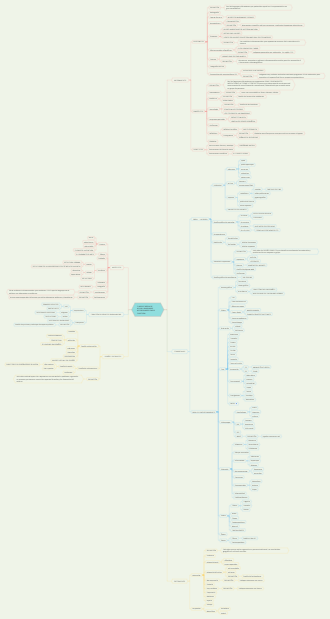
ASSOCIATION MANAGEMENT SOFTWARE FOR CONVENTION BUREAU NETWORK
Main Topic
Main Topic
Main Topic
Association Management Software for Convention Bureau Network
Definition
Association Management Software: software designed to help associations manage their operations, including membership, events, communication, and finances.
Convention Bureau Network: a network of convention bureaus that work together to promote and support meetings, conferences, and events in a specific region or industry.
Purpose
To streamline and automate administrative tasks for associations within a convention bureau network.
To facilitate effective communication and collaboration among association members and convention bureau staff.
To improve the efficiency and effectiveness of event planning and management.
Features
Membership Management
Allows associations to easily track and manage their member database, including contact information, membership levels, and renewal dates.
Provides automated membership renewal reminders and online payment options.
Enables the creation of member directories and the ability to target communication and resources based on membership criteria.
Event Management
Provides tools for planning, promoting, and managing events, including online registration, ticketing, and attendee management.
Offers features for session scheduling, speaker management, and abstract submission.
Includes tools for exhibitor and sponsor management, as well as the ability to generate reports and analyze event data.
Communication and Collaboration
Offers a centralized platform for secure and efficient communication among association members, convention bureau staff, and other stakeholders.
Provides features for sending targeted email campaigns, creating discussion forums, and sharing documents and resources.
Enables collaboration on projects and committees, with task assignment and progress tracking capabilities.
Financial Management
Helps associations track and manage their finances, including membership dues, event registration fees, donations, and sponsorships.
Provides features for generating invoices, processing payments, and reconciling accounts.
Offers reporting and budgeting tools to facilitate financial planning and decision-making.
Reporting and Analytics
Provides customizable reports and dashboards to track and analyze association and event performance.
Offers insights into membership trends, event attendance, financial metrics, and engagement levels.
Enables data-driven decision-making and the ability to measure the success of association initiatives.
Benefits
Time and cost savings through automation of administrative tasks.
Improved member engagement and satisfaction through streamlined communication and enhanced member services.
More efficient event planning and execution, leading to better attendee experiences.
Enhanced collaboration and networking opportunities within the convention bureau network.
Data-driven insights for informed decision-making and strategic planning.
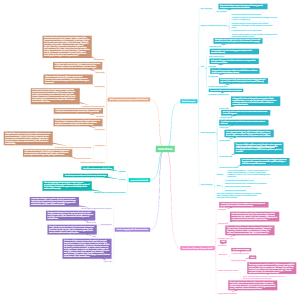
Help Convention Bureau get meeting rooms inventory
Main Topic
Main Topic
Main Topic
Purpose of the project
To help Convention Bureau obtain an inventory of meeting rooms.
To assist in managing meeting room bookings efficiently.
To ensure better utilization of meeting room resources.
To improve customer satisfaction and experience.
To maximize revenue potential from meeting room rentals.
To streamline the process of booking meeting rooms.
To provide accurate information on meeting rooms availability.
To enhance the overall service quality of Convention Bureau.
Key objectives
Develop a comprehensive database of meeting rooms.
Gather detailed information on meeting room locations.
Include address, contact details, and directions.
Collect specifications of each meeting room.
Include size, capacity, layout, and amenities.
Capture visual references of meeting room interiors.
Include photos and virtual tours if possible.
Diagramming
Flowcharting
Floorplan design
Electrical Engineering
Implement a central reservation system for meeting rooms.
Create a user-friendly online platform for room reservations.
Incorporate a search function based on requirements.
Allow users to filter by date, capacity, and equipment.
Enable real-time availability updates and instant booking confirmations.
Integrate with existing reservation systems and calendars.
Synchronize with scheduling software used by Convention Bureau.
Provide access to authorized personnel for managing bookings.
Allow administrative staff to modify, cancel, or reschedule reservations.
Generate reports on meeting room occupancy and utilization.
Project execution
Conduct a thorough audit of current meeting room resources.
Identify existing rooms and their usage patterns.
Engage with stakeholders involved in managing meeting room reservations.
Collaborate with venue owners and managers.
Coordinate with IT and technical teams for system integration.
Develop a project timeline and allocate necessary resources.
Determine the budget and allocate funds accordingly.
Assign dedicated staff members to oversee project implementation.
Procure any required technology or software solutions.
Research and select a suitable reservation system.
Ensure compatibility with existing infrastructure.
Train employees on using the new system and processes.
Conduct workshops or provide online training modules.
Implement the new system and monitor its effectiveness.
Conduct regular evaluations and gather user feedback.
Make necessary adjustments or improvements based on feedback.
Potential challenges
Limited availability of accurate and up-to-date information.
Technical difficulties during system integration.
Resistance to change from stakeholders or staff members.
Ensuring data security and privacy.
Dealing with potential conflicts and overlapping reservations.
Managing customer expectations and demands.
Adapting to unforeseen external factors, such as economic or industry changes.
Main Idea
Main Topic
Main Topic
Main Topic