Wondershare EdrawMind
MindMap Gallery AI Suggested Content and Attitude Change in Social Media
AI Suggested Content and Attitude Change in Social Media
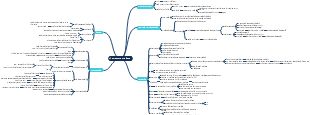
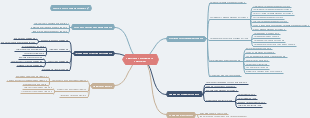
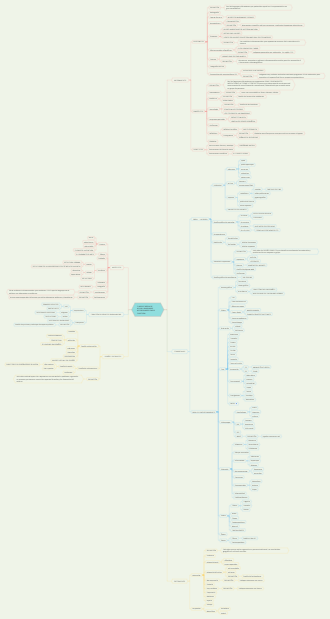
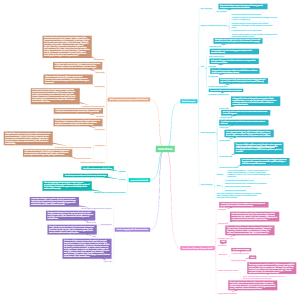
Al suggested content refers to the personalized recommendations made by artificial intelligence algorithms on social media platforms. These suggestions aim to personalize user experiences by showing relevant and engaging content. Over time, this personalized content can potentially influence users' attitudes and beliefs. By constantly exposing users to similar content, algorithms can shape their opinions and perspectives. It's crucial to recognize the potential impact of AI-suggested content on attitude change and to be mindful of its influence when consuming information on social media. This is a mind map about Al suggested content and attitude change in social media. The map contains four main branches, namely Motivation, Ability, Opportunity, and Control. Each main branch has detailed descriptions of multiple sub branches. Suitable for people interested in AI.
Edited at 2024-02-09 05:36:00
- Information Display Hierarchy
The "Information Display Hierarchy" mind map template from Edraw outlines key aspects of presenting information effectively. Branches cover areas like speeches, summaries, self-reflection, and criticism, providing a structured approach to communication. Ideal for students, professionals, and anyone looking to enhance their presentation skills, this template offers a visual aid for organizing and delivering information hierarchy.
- AI Suggested Content and Attitude Change in Social Media
Al suggested content refers to the personalized recommendations made by artificial intelligence algorithms on social media platforms. These suggestions aim to personalize user experiences by showing relevant and engaging content. Over time, this personalized content can potentially influence users' attitudes and beliefs. By constantly exposing users to similar content, algorithms can shape their opinions and perspectives. It's crucial to recognize the potential impact of AI-suggested content on attitude change and to be mindful of its influence when consuming information on social media. This is a mind map about Al suggested content and attitude change in social media. The map contains four main branches, namely Motivation, Ability, Opportunity, and Control. Each main branch has detailed descriptions of multiple sub branches. Suitable for people interested in AI.
AI Suggested Content and Attitude Change in Social Media
- Information Display Hierarchy
The "Information Display Hierarchy" mind map template from Edraw outlines key aspects of presenting information effectively. Branches cover areas like speeches, summaries, self-reflection, and criticism, providing a structured approach to communication. Ideal for students, professionals, and anyone looking to enhance their presentation skills, this template offers a visual aid for organizing and delivering information hierarchy.
- AI Suggested Content and Attitude Change in Social Media
Al suggested content refers to the personalized recommendations made by artificial intelligence algorithms on social media platforms. These suggestions aim to personalize user experiences by showing relevant and engaging content. Over time, this personalized content can potentially influence users' attitudes and beliefs. By constantly exposing users to similar content, algorithms can shape their opinions and perspectives. It's crucial to recognize the potential impact of AI-suggested content on attitude change and to be mindful of its influence when consuming information on social media. This is a mind map about Al suggested content and attitude change in social media. The map contains four main branches, namely Motivation, Ability, Opportunity, and Control. Each main branch has detailed descriptions of multiple sub branches. Suitable for people interested in AI.
- Recommended to you
- Outline