 Wondershare EdrawMind
MindMap Gallery ENGINEERING PRINCIPLES FOR ARTIFICIAL ORGANS
- 83
ENGINEERING PRINCIPLES FOR ARTIFICIAL ORGANS
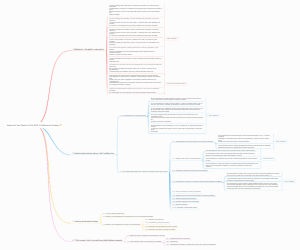
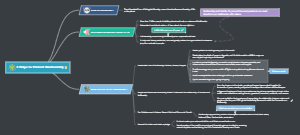
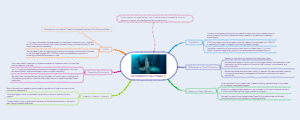
This is a mind map about ENGINEERING PRINCIPLES FOR ARTIFICIAL ORGANS,Main content: Material Choices:,Functionality: Each valve faces unique challenge Tricuspid and Mitral Valves: These regulate flow between upper and lower heart chambers. They need flexibility to open and close smoothly while preventing back flow.Aortic Valve: This valve ensures blood exits the heart efficiently. It needs high durability to withstand the stronger pressure of pumped blood.Functionality: Control blood flow
Edited at 2024-03-05 00:41:58
- Recommended to you
- Outline


ENGINEERING PRINCIPLES FOR ARTIFICIAL ORGANS
Biomaterials in Artificial Organs
What are biomaterials?
Biomaterials are any non-living materials designed to interact with biological systems for a medical purpose. They play a vital role in modern medicine, from replacing damaged tissues to delivering drugs. To function effectively and safely, biomaterials must possess several key properties المواد الحيوية هي أي مواد غير حية مصممة للتفاعل مع النظم البيولوجية لغرض طبي. إنهم يلعبون دورًا حيويًا دوره في الطب الحديث، من استبدال الأنسجة التالفة إلى تسليم المخدرات. لتعمل بشكل فعال وآمن، والمواد الحيوية يجب أن تمتلك العديد من الخصائص الرئيسية
Engineered/ Natrural materials used inside living systems to direct, the course of any therapeutic or diagnostic procedure, by controlling interactions with components of the living systemsالمواد الهندسية/ الطبيعية المستخدمة داخل الأنظمة الحية مباشرة، مسار أي إجراء علاجي أو تشخيصي، من خلال السيطرة على التفاعلات مع مكونات الأنظمة الحية
Host Response
The response of the host organism (local and systemic) to the implanted material or device استجابة الكائن الحي المضيف (المحلي والجهازي) للمرض المادة أو الجهاز المزروع
This slide will define and explain five of the most important properties:ستحدد هذه الشريحة وتشرح خمسة من أكثرها خصائص مهمة:
Biocompatibility:
The ability of a material to coexist with the biological system without causing harm.قدرة المادة على التعايش معها النظام البيولوجي دون التسبب في ضرر.
This encompasses several factors, such as non-toxicity, nonallergenic, and non-carcinogenic properties.هذا يشمل عدة عوامل، مثل عدم السمية، وعدم الحساسية، وخصائص غير مسرطنة.
Biocompatible materials should not trigger adverse reactions like inflammation or rejection.متوافق حيويا لا ينبغي أن تؤدي المواد إلى ردود فعل سلبية مثل التهاب أو رفض.
Mechanical strength:
The ability of a material to withstand physical forces without breaking or deformingقدرة المادة على يتحمل القوى البدنية دون أن ينكسر أو يتشوه
The required strength depends on the intended applicationال القوة المطلوبة تعتمد على التطبيق المقصود..
For example, bone implants need to be strong enough to support weight, while tissue scaffolds need to be flexible to promote cell growth.ل على سبيل المثال، يجب أن تكون الغرسات العظمية قوية بما يكفي لدعمها الوزن، في حين أن السقالات الأنسجة تحتاج إلى أن تكون مرنة لتعزيز نمو الخلايا.
Degradation:
The breakdown of a material over time. This can be desirable for temporary implants or drug delivery systems that should eventually disappear.انهيار المادة انتهى وقت. قد يكون هذا أمرًا مرغوبًا فيه بالنسبة للغرسات المؤقتة أو أنظمة توصيل الأدوية التي يجب أن تختفي في النهاية.
Conversely, permanent implants need to be highly resistant to degradation على العكس من ذلك، يجب أن تكون الغرسات الدائمة عالية جدًا مقاومة للتدهور
Biodegradable materials should break down into non-toxic products that the body can safely absorb.مواد قابلة للتحلل الحيوي يجب أن تنقسم إلى منتجات غير سامة يمكن للجسم أن يمتصه بأمان.
Surface properties:
The characteristics of a material's surface, such as its topography, chemistry, and wettability.خصائص المادة السطح، مثل تضاريسه، وكيميائه، وقابليته للبلل.
These properties influence cell adhesion, growth, and functionتؤثر هذه الخصائص على التصاق الخلايا ونموها وظيفة
For example, a rough surface may promote cell attachment, while a smooth surface may reduce friction.على سبيل المثال، قد يعزز السطح الخشن الخلية المرفق، في حين أن السطح الأملس قد يقلل من الاحتكاك.
Sterilization compatibility:
The ability of a material to withstand sterilization methods without compromising its properties or function قدرة المادة على تتحمل طرق التعقيم دون المساس بها خصائص أو وظيفة
Implants and medical devices must be sterile to prevent infectionsيجب أن تكون الغرسات والأجهزة الطبية معقمة لمنع الالتهابات
Common sterilization methods include heat, radiation, and chemicals.طرق التعقيم الشائعة وتشمل الحرارة والإشعاع والمواد الكيميائية.
Each method has its own limitations, and biomaterials need to be compatible with the chosen method.كل طريقة لها القيود الخاصة، والمواد الحيوية يجب أن تكون متوافقة مع الطريقة المختارة.
Here's a breakdown of key trade-offs to consider:فيما يلي تحليل للمقايضات الرئيسية التي يجب مراعاتها:
Biocompatibility vs. Mechanical Strength:
Biocompatible Championsأبطال متوافقون حيويا::
Materials like titanium and certain polymers often prioritize biocompatibility, minimizing adverse reactions.مواد مثل التيتانيوم وبعض البوليمرات تعطي الأولوية للتوافق الحيوي، التقليل من ردود الفعل السلبية.
However, they might lack the robust strength needed for load-bearing implants like hip replacements.ومع ذلك، قد يفعلون ذلك تفتقر إلى القوة القوية اللازمة لتحمل الأحمال يزرع مثل بدائل الورك.
Strength over Compatibility:
Metals like cobaltchromium offer superior strength for demanding applications.المعادن مثل الكروم والكوبالت تقديم قوة متفوقة للمطالبة التطبيقات.
However, concerns linger about potential allergic reactions or long-term toxicity issues.ومع ذلك، لا تزال المخاوف قائمة بشأن الإمكانات ردود الفعل التحسسية أو مشاكل السمية على المدى الطويل.
Degradation vs. Longevity:
Temporary Solutionsالحلول المؤقتة
Biodegradable materials like sutures or drug delivery scaffolds disintegrate over time, eliminating the need for removal surgeryالمواد القابلة للتحلل مثل تتفكك الغرز أو سقالات توصيل الأدوية الوقت، مما يلغي الحاجة إلى جراحة الإزالة
But this comes at the cost of limited lifespan and potential structural instability.لكن هذا يأتي على حساب العمر والإمكانات المحدودة عدم الاستقرار الهيكلي.
Permanence at a Price:الدوام بسعر:
Permanent implants like artificial joints require exceptional resistance to degradation for long-term functionalityيزرع الدائم مثل تتطلب المفاصل الصناعية مقاومة استثنائية تدهور الأداء الوظيفي على المدى الطويل
This might involve using less biodegradable materials, raising concerns about their long-term presence in the body.هذا يمكن تنطوي على استخدام مواد أقل قابلة للتحلل، ورفع المخاوف بشأن وجودها على المدى الطويل في الجسم.
Surface Properties vs. Functionality:
Cell Clingers Roughened surfaces enhance cell attachment and growth, ideal for tissue engineering scaffolds. However, this texture might increase friction and wear in other applications like catheters.الأسطح الخشنة تعزز الخلية الارتباط والنمو، مثالية لهندسة الأنسجة السقالات. ومع ذلك، فإن هذا الملمس قد يزيد من الاحتكاك وارتداء في تطبيقات أخرى مثل القسطرة
• Smooth Operators: Smooth surfaces reduce friction and wear, suitable for catheters or artificial heart valves. But this smoothness might hinder cell adhesion in tissue engineering contexts.• المشغلون السلسون: الأسطح الملساء تقلل الاحتكاك وارتداء، ومناسبة للقسطرة أو القلب الاصطناعي الصمامات. لكن هذه النعومة قد تعيق التصاق الخلايا في سياقات هندسة الأنسجة.
Sterilization Compatibility vs. Material Properties:
Heat Resistant Heroes: Metals like titanium withstand high-heat sterilization methods. However, excessive heat might compromise the properties of some polymers or drug delivery systems.أبطال مقاومة للحرارة: المعادن مثل التيتانيوم يتحمل طرق التعقيم ذات الحرارة العالية. ومع ذلك، فإن الحرارة المفرطة قد تؤثر سلبا خواص بعض البوليمرات أو الأدوية نظم تسليم.
Chemical Compatibility Concerns: Certain polymers offer good biocompatibility but might be susceptible to chemical sterilization methods, potentially altering their structure or function.مخاوف التوافق الكيميائي: مؤكد توفر البوليمرات توافقًا حيويًا جيدًا ولكن قد تكون عرضة للتعقيم الكيميائي الأساليب، وربما تغيير هيكلها أو وظيفة.
Classification of Biomaterials for Artificial Organs The fascinating world of biomaterials offers a diverse selection of materials tailored for interacting with living systems. When it comes to the intricate task of crafting artificial organs, choosing the right material becomes paramount. Let's delve into the four main categories of biomaterials and explore their strengths and weaknesses in this demanding application:تصنيف المواد الحيوية للأعضاء الاصطناعية يقدم عالم المواد الحيوية الرائع مجموعة متنوعة من المواد المصممة للتفاعل معها الأنظمة الحية. عندما يتعلق الأمر بالمهمة المعقدة المتمثلة في صناعة الأعضاء الاصطناعية، يجب اختيار المادة المناسبة يصبح ذا أهمية قصوى. دعونا نتعمق في الفئات الأربع الرئيسية للمواد الحيوية ونستكشف نقاط قوتها ونقاط الضعف في هذا التطبيق المتطلب:
Metals:
Examples: • Titanium, stainless steel, cobalt-chromium alloysأمثلة: • التيتانيوم، الفولاذ المقاوم للصدأ، سبائك الكوبالت والكروم
Key Properties: • High strength, stiffness, durability, good wear resistance.الخصائص الرئيسية: • قوة عالية، وصلابة، ومتانة، ومقاومة التآكل جيدة.
Advantages: • Can withstand significant mechanical stress, suitable for load-bearing applications like artificial hip joints.مزايا: • يمكن أن تتحمل الإجهاد الميكانيكي الكبير، ومناسبة ل التطبيقات الحاملة مثل مفاصل الورك الاصطناعية.
Limitations: • Biocompatibility concerns (potential for allergic reactions), limited adaptability to biological tissues, heat transfer issues.محددات: • مخاوف التوافق الحيوي (احتمال حدوث تفاعلات حساسية)، القدرة المحدودة على التكيف مع الأنسجة البيولوجية، ونقل الحرارة مشاكل.
Polymers:
Examples: • Silicone, Polytetrafluoroethylene (PTFE), Polyurethane.أمثلة: • السيليكون، بولي تترافلوروإيثيلين (PTFE)، البولي يوريثين.
Key Properties: • Flexible, adaptable, biocompatible, good wear resistance (specific to type).الخصائص الرئيسية: • مرنة، قابلة للتكيف، متوافقة حيويا، مقاومة جيدة للتآكل (خاص بالنوع).
Advantages: • Offer a wider range of biocompatibility compared to metals, can be tailored for specific properties, some exhibit good blood compatibility.مزايا: • تقديم نطاق أوسع من التوافق الحيوي مقارنة بـ المعادن، يمكن أن تكون مصممة لخصائص محددة، وبعضها تظهر توافق الدم الجيد.
Limitations: • Lower mechanical strength than metals, potential for degradation over time, risk of blood clotting with some types.محددات: • قوة ميكانيكية أقل من المعادن، وإمكانية حدوث ذلك وتدهورها مع مرور الوقت، خطر تجلط الدم لدى البعض أنواع.
Ceramics:
Examples: • Hydroxyapatite, Zirconia, Alumina أمثلة: • الهيدروكسيباتيت، الزركونيا، الألومينا.
Key Properties: • High biocompatibility, good osteoconductivity (promotes bone growth), wear resistance.الخصائص الرئيسية: • التوافق الحيوي العالي، الموصلية العظمية الجيدة (يعزز نمو العظام)، ومقاوم للتآكل.
Advantages: • Excellent biocompatibility, suitable for applications requiring integration with bone tissue, some exhibit good wear resistance مزايا: • التوافق الحيوي ممتاز، ومناسبة للتطبيقات تتطلب التكامل مع الأنسجة العظمية، كما يظهر البعض مقاومة التآكل جيدة
Limitations: • Generally brittle, susceptible to fracture, limited flexibility can hinder tissue integration in some cases.محددات: • هشة بشكل عام، وعرضة للكسر، ومحدودة يمكن أن تعيق المرونة تكامل الأنسجة في بعض الحالات.
Composites:
Examples: • Metal-polymer composites, ceramic-polymer composites.أمثلة: • مركبات البوليمر المعدني، ومركبات السيراميك والبوليمر.
Key Properties: • Combine properties of individual components, allowing for tailored design.الخصائص الرئيسية: • الجمع بين خصائص المكونات الفردية، مما يسمح بذلك تصميم مخصص.
Advantages: • Offer the potential to address limitations of individual materials, can be designed for specific applications with desired strength, biocompatibility, and flexibility.مزايا: • توفير القدرة على معالجة القيود الفردية المواد، يمكن تصميمها لتطبيقات محددة مع القوة المطلوبة، والتوافق الحيوي، والمرونة.
Limitations: • Design and manufacturing complexity, potential compatibility issues between components, need for rigorous testing to ensure safety and efficacy.محددات: • تعقيد التصميم والتصنيع والإمكانات قضايا التوافق بين المكونات، والحاجة إليها اختبارات صارمة لضمان السلامة والفعالية.
Choosing the Right Material for Artificial Organs:The selection of a biomaterial for an artificial organ rely ] on several crucial factors:يعتمد اختيار المادة الحيوية لعضو اصطناعي ] على عدة عوامل حاسمة:
Functionality: Does it mimic the mechanical and biological properties of the natural organ?الوظيفة: هل تحاكي الميكانيكية والبيولوجية خصائص العضو الطبيعي؟
Biocompatibility: Is it safe and well-tolerated by the body?التوافق الحيوي: هل هو آمن ويتحمله الجسم جيدًا؟
Durability: Can it withstand the stresses and strains of the human body?المتانة: هل يمكنها تحمل الضغوط والتوترات جسم الإنسان؟
Sterilization: Can it be effectively sterilized without compromising its properties?التعقيم: هل يمكن تعقيمها بشكل فعال بدون المساس بخصائصه؟
Manufacturing feasibility: Can it be produced reliably and consistently?جدوى التصنيع: هل يمكن إنتاجه بشكل موثوق و باستمرار؟
Case Studies: Biomaterial Selection for Artificial Organs Biomaterials play a crucial role in creating functional and biocompatible artificial organs. Selecting the right material for each organ system requires careful consideration of its specific needs and functional demands. This slide explores two such case studies: heart valves and vascular grafts, highlighting the rationale behind material selection based on their properties and requirements.دراسات الحالة: اختيار المواد الحيوية للأعضاء الاصطناعية تلعب المواد الحيوية دورًا حاسمًا في خلق الوظائف والوظائف أعضاء اصطناعية متوافقة حيويا. اختيار المادة المناسبة لكل منها يتطلب نظام الأعضاء دراسة متأنية لاحتياجاته المحددة والمتطلبات الوظيفية. تستكشف هذه الشريحة دراستي حالة من هذا القبيل: صمامات القلب والطعوم الوعائية، وتسليط الضوء على الأساس المنطقي وراء ذلك اختيار المواد على أساس خصائصها ومتطلباتها.
Case Study 1: Heart Valves Challenge: The human heart relies on four valves to ensure proper blood flow between chambers and prevent backflow. When these valves malfunction, they require replacement with artificial versions. However, choosing the right material for these replacements presents a complex puzzle, balancing biocompatibility, durability, flexibility, and fatigue resistance.دراسة الحالة رقم 1: صمامات القلب التحدي: قلب الإنسان يعتمد على أربعة صمامات لضمان ذلك تدفق الدم السليم بين الغرف ومنع التدفق العكسي. متى تعطل هذه الصمامات، وتتطلب استبدالها بصمامات صناعية الإصدارات. ومع ذلك، اختيار المواد المناسبة لهذه البدائل تمثل لغزا معقدا، وتحقيق التوازن التوافق الحيوي والمتانة والمرونة ومقاومة التعب.
Artificial heart valves: There are three main types of artificial heart valves used today:
Mechanical Heart Valves
These are made from durable materials like metal or ceramic. They offer superior longevity and are often the preferred choice for younger patients. However, they require lifelong anticoagulant medication to prevent blood clots.هذه مصنوعة من دائم مواد مثل المعدن أو السيراميك. أنها توفر طول العمر متفوقة و غالبا ما تكون الخيار المفضل للمرضى الأصغر سنا. ومع ذلك، فإنهم تتطلب أدوية مضادة للتخثر مدى الحياة لمنع تجلط الدم.
Bioprosthetic Heart Valvesصمامات القلب الاصطناعية الحيوية
These are made from animal tissue (usually bovine or porcine) or human cadaver tissue. They have a more natural feel and require anticoagulation for shorter periods, but they eventually deteriorate and need replacement.هذه مصنوعة من الأنسجة الحيوانية (عادةً ما تكون من الأبقار أو الخنازير) أو أنسجة الجثث البشرية. لديهم ملمس طبيعي أكثر ويتطلب منع تخثر الدم لفترات أقصر، لكنها تتدهور في النهاية وتحتاج إلى استبدال.
Tissue-Engineered Heart Valves:
These are a newer technology, still under development and not yet widely available. They use a patient's own cells or lab-grown cells to create a customized valve, potentially offering a long-lasting and biocompatible option.هذه هي التكنولوجيا الأحدث، لا يزال قيد التطوير وغير متاح على نطاق واسع بعد. يستخدمون أ خلايا المريض الخاصة أو الخلايا المزروعة في المختبر لإنشاء صمام مخصص، من المحتمل أن يقدم خيارًا طويل الأمد ومتوافقًا حيويًا.
Subtopic
Functionality: Each valve faces unique challenges: • Tricuspid and Mitral Valves: These regulate flow between upper and lower heart chambers. They need flexibility to open and close smoothly while preventing backflow. • Aortic Valve: This valve ensures blood exits the heart efficiently. It needs high durability to withstand the stronger pressure of pumped blood. Functionality: Control blood flow between heart chambers, preventing backflow. Material Requirements: • High biocompatibility to avoid tissue rejection and blood clotting. • Durability to withstand millions of opening and closing cycles. • Flexibility to mimic natural valve movement.
Material Choices:
• Tricuspid and Mitral Valvesاختيارات المواد: • الصمامات ثلاثية الشرفات والميترالي::
Tissues: Bovine pericardial tissue (biocompatible, flexible, but prone to calcification).الأنسجة: نسيج التامور البقري (متوافق حيويًا، مرن، ولكن عرضة للتكلس).
Mechanical Valves:
Strut: Stainless steel (durable, but less biocompatible).الدعامة: الفولاذ المقاوم للصدأ (متين، ولكنه أقل توافقًا حيويًا).
Leaflets: Pyrolytic carbon (durable, smooth, but concerns about long-term tissue wear).المنشورات: الكربون الانحلالي (متين، ناعم، ولكن مخاوف بشأن تآكل الأنسجة على المدى الطويل).
Bioprosthetic Valves:
Stent: Nitinol (shape-memory alloy, good fatigue resistance).الدعامة: الننتول (سبائك ذو ذاكرة الشكل، تعب جيد مقاومة).
Tissue: Porcine heart valve (biocompatible, flexible, but potential for tissue degenerationالأنسجة: صمام القلب الخنزيري (متوافق حيويًا، ومرن، ولكن احتمالية تنكس الأنسجة