A 57-year-old woman with type 2 diabetes, hypertension, and hyperlipidemia presents for routine follow-up. Her current medications include metformin 1000 mg twice daily, chlorthalidone 12.5 mg daily, and rosuvastatin 40 mg daily. She is afebrile and has a blood pressure of 151/92 mm Hg, a heart rate of 59 beats per minute, and a BMI of 30. Her physical examination is notable only for trace bilateral pretibial edema. A complete blood count is within normal limits. Other laboratory results are as follows:
The urine albumin-to-creatinine ratio is 50 mg/g (reference range,30) which is the same as 3 months ago
How to approach this patient?
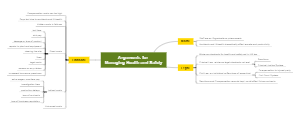
Recommend lifestyle interventions for preventing and managing CKD, including dietary sodium intake of less than 2,300 mg per day, moderate-intensity exercise of at least 150 minutes per week, and smoking cessation.5,13
Add acei or arbs to control proteinuria
Manage systolic blood pressure to a target of ≤ 120 mm Hg inpatients with CKD if tolerated.26,2
Patients with hypertension and diabetes should betreated with an ACE inhibitor or an ARB to reduce the rate of progression of DKD.
Individuals with type 2 diabetes mellitus should bescreened for albuminuria at the time of diagnosis and annually thereafter.
6 months later , the patient come for follow up. she reports that she has been doing well overall with respect to diet and exercise and that she checks her blood glucose levels every morning; they have averaged 103 mg/dL since his last visit, with no hypoglycemic events. her current medications include metformin 1000 mg twice daily, lisinopril 40 mg daily, and rosuvastatin 40 mg daily. On physical examination, her blood pressure is 140/90 mm Hg, heart rate is 74 beats per minute, his temperature is 36.7°C, and his oxygen saturation is 98% while he breathes ambient air. her heart rhythm sounds are regular, his lungs are clear, and there is lower-extremity edema. Laboratory testing shows a serum creatinine level of 2.34 mg/dL (reference range, 0.8–1.3) and an estimated glomerular filtration rate of 38 mL/min/1.73 m2 (≥60). The glycated hemoglobin level is 6.8% and has been stable for the past year. The urine albumin-to-creatinine ratio is 538 mg/g (
How to approach this patient?
Adjust the dose of metformin and switch to atorvastatin 40 mg
Consider reduced dose if GFR declines to minute;discontinue if estimated GFR minute
Most patients with type 2 diabetes and DKD should be treated of with an SGLT2 inhibitor, regardless of the degree of glycemic control.
Initiating SGLT2 inhibitors should generally be avoided among patients with an eGFR m2
Finerenone reduces the progression of kidney function impairment and cardiovascular events in patients with type 2 diabetes and DKD, while not substantially impacting blood pressure and only slightly increasing serum potassium levels. Finerenone has been studied in patients taking maximally tolerated doses of ACE inhibitors or ARBs but has not been studied extensively in patients taking SGLT2 inhibitors plus maximally tolerated doses of ACE inhibitors or ARBs.
Monitor for ckd complications
Anemia , hyperkalemia ,metabolic acidosis , volume overload
Measure serum hemoglobin levels at least annually in patientswith CKD stage 3 or greater, and as indicated in those with less severe disease
For patients with CKD stages 3a to 5, obtain serum measurements of calcium, phosphate, 25-hydroxyvitamin D, and parathyroid hormone to evaluated for bone mineral disorders.
1 year later , her labs deteriorated and showed shows a serum creatinine level of 5.3 mg/dL (reference range, 0.8–1.3) and an estimated glomerular filtration rate of 18 mL/min/1.73 m2 (≥60). The glycated hemoglobin level is 7.8% . The urine albumin-to-creatinine ratio is 600 mg/g (
Stop metformin and switch to insulin
Monitor and treat ckd complications
 Wondershare EdrawMind