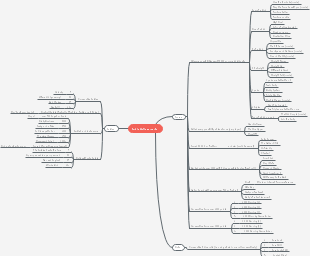
Central Topic: Housing Challenges for Young Professionals in WA
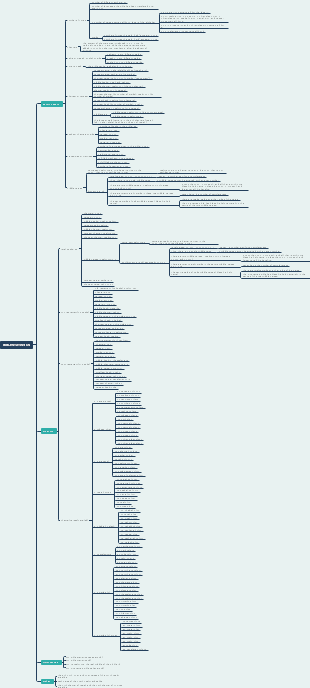
1. Affordability
High housing costs make it difficult for young professionals to find affordable options.
Rental and mortgage expenses consume a significant portion of their income.
Limited opportunities for affordable housing programs or subsidies in the region.
Lack of financial literacy programs to help young professionals make informed housing decisions.
2. Availability
Limited housing options in desirable locations for young professionals.
High demand and low supply in the housing market lead to increased competition.
Long waiting lists for affordable housing programs or developments.
Insufficient investment in the construction of new housing units.
3. Suitability
Housing options often do not meet the specific needs and preferences of young professionals.
Limited amenities and services in the vicinity of housing areas.
Lack of shared living arrangements or co-housing options for cost-saving and socialization.
Inadequate integration of technology solutions in housing management and maintenance.
4. Underemployment (linked to Affordability)
Insufficient job opportunities or low wages for young professionals.
Higher education qualifications not effectively utilized in the job market.
Limited professional growth prospects affecting the ability to afford suitable housing.
Underemployment contributes to the struggle in meeting housing expenses.
1. Traditional Agencies (limited young professional focus)
Traditional real estate agencies often prioritize other target groups.
Limited understanding of the specific housing needs and challenges of young professionals.
Lack of tailored services and options for this segment of the population.
Less emphasis on utilizing technology and online platforms.
2. Online Platforms (lack targeted features)
Existing online platforms for housing search lack features specifically tailored for young professionals.
Difficulties in filtering options based on affordability, location, and suitability.
Insufficient integration of community and networking features.
Inadequate verification systems for users, leading to reliability concerns.
3. Classified Websites (security concerns)
Reliance on classified websites for housing search raises security concerns.
Potential risks of scams, fraud, and misleading advertisements.
Limited transparency and accountability in housing transactions.
Lack of dedicated customer support for housing-related issues.
4. Social Media Groups (verification concerns)
Housing-related social media groups face challenges in verifying the authenticity of listings.
Difficulty in assessing the credibility of individuals offering housing solutions.
Potential privacy and safety concerns when connecting with strangers online.
Limited access to comprehensive and reliable information through social media platforms.
Central Topic: Market Gap (young professional needs not met)
1. Affordability
Implementing affordable housing programs similar to those in the US and Canada.
Introducing financial literacy initiatives to educate young professionals on housing expenses and budgeting.
Encouraging cooperation between government and private sector to increase affordable housing stock.
2. Availability
Investing in the construction of new housing units targeted specifically for young professionals.
Prioritizing the development of housing options in desirable locations for this demographic.
Collaborating with urban planners to identify vacant or underutilized sites for housing development.
Exploring innovative housing models such as tiny homes or micro-apartments.
3. Suitability
Promoting the inclusion of amenities and services in housing areas to cater to young professional needs.
Encouraging the establishment of shared living arrangements and co-housing initiatives.
Integrating technology solutions for efficient housing management and maintenance.
Engaging young professionals in the design and development process to ensure suitability.
Central Topic: Market Gap (young professional solutions)
1. Affordable Housing Programs (US/Canada model)
Implementing rent control measures to prevent excessive rent increases.
Expanding subsidized rental programs and increasing income eligibility thresholds.
Offering down payment assistance programs for young professionals looking to purchase homes.
Collaborating with employers to provide affordable housing options for their employees.
2. Shared Living Initiatives (Vancouver/Portland)
Promoting shared living arrangements where young professionals can pool their resources.
Creating co-housing communities that foster social connections and mutual support.
Providing flexible rental agreements to accommodate changing living arrangements.
Developing shared workspace options within housing communities.
3. Technology Solutions (Roomi/Nestpick inspired)
Utilizing online platforms specifically designed for young professionals seeking housing.
Incorporating advanced search filters to prioritize affordability, location, and suitability.
Implementing user verification systems and secure payment methods.
Integrating community and networking features to facilitate connections among young professionals.
4. Supportive Measures (rental assistance, financial literacy)
Offering rental assistance programs to bridge the affordability gap for young professionals.
Providing financial literacy programs to ensure informed housing decisions.
Collaborating with educational institutions to incorporate housing-related topics in the curriculum.
Establishing counseling services to guide young professionals through the housing search process.
5. Addressing Rental Market Issues (Germany inspired)
Implementing stricter regulations and rent caps to stabilize rental costs.
Encouraging long-term rental agreements to provide stability for tenants.
Expanding the supply of social and cooperative housing.
Establishing tenant councils to empower renters and advocate for their rights.
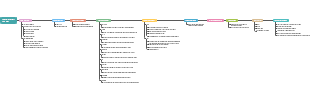
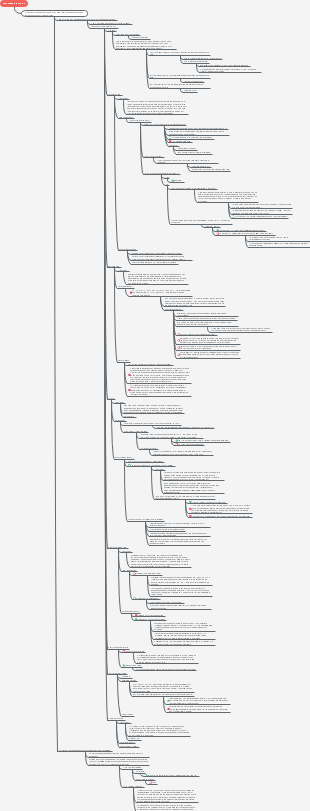
This mind map outline explores the housing challenges faced by young professionals in WA and proposes various solutions to address the affordability, availability, suitability, and underemployment issues they encounter. From traditional agencies to online platforms, and from affordable housing programs to shared living initiatives, these suggestions aim to bridge the market gap and provide young professionals with housing options that meet their needs. Additionally, supportive measures and rental market reforms inspired by successful practices in the US, Canada, and Germany can contribute to a more balanced housing environment for young professionals in WA.
 Wondershare EdrawMind