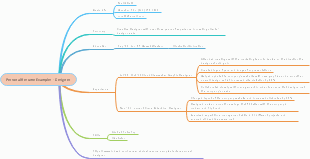
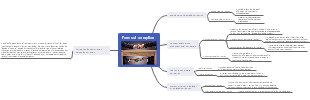
Definition and significance of politics in relation to sustainable mining and agriculture
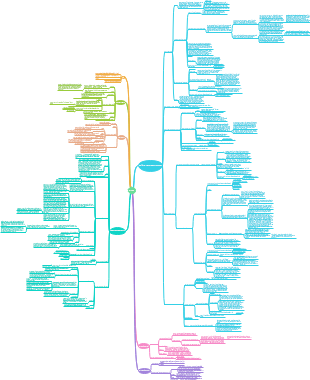
Politics encompass the activities, actions, and policies undertaken by governments, organizations, and individuals that affect land use in the context of sustainable mining and agriculture.
The role of politics in shaping the legal and regulatory frameworks, decision-making processes, and resource allocation in relation to land for sustainable mining and agriculture.
The impact of political systems, ideologies, and power dynamics on the management and governance of land for sustainable mining and agriculture.
Interest in land for sustainable mining and agriculture
Various stakeholders and their interests in land for sustainable mining and agriculture
Governments who seek to ensure mineral and agricultural resources are utilized sustainably and in the best interest of the country's development.
Mining and agricultural companies that aim to secure land for resource extraction and agricultural production while ensuring long-term sustainability.
Indigenous communities and local populations who depend on the land for their livelihoods, cultural practices, and social cohesion.
Environmental organizations and activists who advocate for sustainable land practices to protect ecosystems and biodiversity.
International institutions and organizations that promote responsible and sustainable practices in land use for mining and agriculture.
Conceptual framework for contextualizing politics and interest in sustainable mining and agriculture
Understanding the interconnectedness of politics and interest in land for sustainable mining and agriculture
Recognizing the influence of political systems, ideologies, and governance structures on shaping the interests and priorities related to land use.
Identifying the factors that drive various stakeholders' interests in land for sustainable mining and agriculture, including economic, social, and environmental considerations.
Analyzing the dynamics of power, conflicts, and negotiations that occur among different stakeholders with varying interests in land use.
Evaluating the role of policy frameworks, laws, and regulations in accommodating the diverse interests and ensuring sustainable management of land for mining and agriculture.
Contextualizing politics in sustainable mining and agriculture
Examining the political context that influences sustainable mining and agriculture practices
Assessing the political will and commitment of governments to support sustainable mining and agricultural practices.
Investigating the role of political ideologies and agendas in shaping land use policies and regulations in the mining and agricultural sectors.
Analyzing the influence of political dynamics, such as corruption, lobbying, and stakeholder engagement, on land use decisions and practices.
Exploring the role of international and regional political frameworks in governing and promoting sustainable land use in mining and agriculture.
Contextualizing interest in sustainable mining and agriculture
Considering the societal, economic, and environmental factors that influence interest in land for sustainable mining and agriculture
Evaluating the economic benefits and opportunities associated with sustainable mining and agricultural practices, including job creation and economic development.
Analyzing the social impacts of land use decisions on local communities, indigenous populations, and marginalized groups.
Understanding the environmental implications of land use for mining and agriculture, such as habitat destruction, biodiversity loss, and ecosystem degradation.
Examining the role of public opinion, media, and advocacy groups in shaping interest and influencing land use decisions in the mining and agricultural sectors.
Framework for politics in sustainable mining and agriculture
Developing a framework to address political challenges in achieving sustainable mining and agriculture
Identifying mechanisms to enhance transparency, accountability, and good governance in land use decision-making processes.
Promoting inclusive and participatory approaches that involve diverse stakeholders in policy development, implementation, and monitoring.
Strengthening the capacity of governments and institutions to effectively regulate, enforce, and monitor sustainable land use practices.
Encouraging cross-sectoral collaboration and coordination to address the complex and interconnected nature of sustainable mining and agriculture.
Framework for interest in sustainable mining and agriculture
Establishing a framework to balance the diverse interests in land for sustainable mining and agriculture
Integrating economic, social, and environmental considerations into decision-making processes to ensure holistic and sustainable land use.
Facilitating dialogue and negotiations among different stakeholders to promote mutual understanding, collaboration, and conflict resolution.
Implementing mechanisms to address the concerns and protect the rights of indigenous communities and other vulnerable groups affected by land use for mining and agriculture.
Encouraging responsible investment practices that prioritize sustainability and long-term benefits over short-term gains.
Sustainable mining and agriculture in a political context
Analyzing how politics affects the sustainability of mining and agriculture
Examining the impact of political stability or instability on the long-term planning and implementation of sustainable mining and agricultural practices.
Investigating the role of political will and commitment in enforcing and monitoring compliance with environmental and social standards in the mining and agricultural sectors.
Assessing the influence of political ideologies and priorities on the allocation of resources, funding, and support for sustainable mining and agricultural initiatives.
Understanding the importance of political collaboration, regional cooperation, and international partnerships in promoting sustainable land use practices in mining and agriculture.
Land interest dynamics in sustainable mining and agriculture
Understanding the complexities and dynamics of land interests in relation to sustainable mining and agriculture
Evaluating the competing interests and claims over land resources for mining and agriculture, including legal, historical, and socio-economic dimensions.
Analyzing the implications of land tenure systems, land ownership, and land rights on sustainable mining and agriculture practices.
Examining the dynamics of land acquisition, compensation, and resettlement in the context of mining and agricultural development.
Considering the potential conflicts and challenges arising from overlapping land uses, such as conflicts between mining and agriculture, or conflicts between indigenous communities and mining companies.
This conceptual framework provides a comprehensive understanding of the interplay between politics, interest, and sustainability in the context of land use for mining and agriculture. By examining the political context, analyzing stakeholder interests, and developing frameworks for decision-making, this framework aims to foster sustainable practices and address the challenges associated with land use in these sectors.
 Wondershare EdrawMind