Wondershare EdrawMind
MindMap Gallery Knowledge Graph
Knowledge Graph
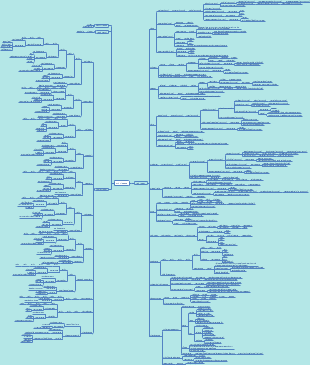
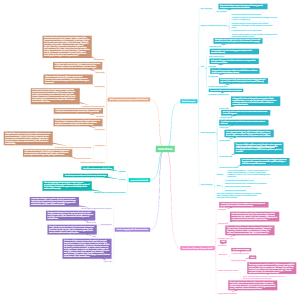
Knowledge Graph is a knowledge graph technology that presents massive amounts of information in a graphical manner by constructing semantic knowledge such as entities, attributes, and relationships, helping users intuitively understand the relationships and logic between knowledge. In the fields of intelligent question answering and information retrieval, Knowledge Graph plays an important role in improving the efficiency and accuracy of information processing. This is a mind map about Knowledge Graph. The map contains 10 main branches, namely: Advantages, Applications, Querying the Knowledge Graph, Graph databases, Node attributes, Entity types, Semantic relationships, Structure, Use, Definition. Each main branch has a detailed description of its sub branches. Suitable for people interested in Knowledge Graph.
Edited at 2024-04-09 10:44:58
- Knowledge Graph
Knowledge Graph is a knowledge graph technology that presents massive amounts of information in a graphical manner by constructing semantic knowledge such as entities, attributes, and relationships, helping users intuitively understand the relationships and logic between knowledge. In the fields of intelligent question answering and information retrieval, Knowledge Graph plays an important role in improving the efficiency and accuracy of information processing. This is a mind map about Knowledge Graph. The map contains 10 main branches, namely: Advantages, Applications, Querying the Knowledge Graph, Graph databases, Node attributes, Entity types, Semantic relationships, Structure, Use, Definition. Each main branch has a detailed description of its sub branches. Suitable for people interested in Knowledge Graph.
- Human Trafficking
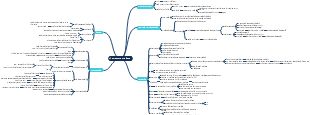
Human trafficking is a devastating crime that involves the illegal trade of human beings for labor or sexual exploitation. It strips victims of their dignity and freedom, often leading to physical and psychological trauma. This immoral act is a global issue, affecting countless individuals, families, and communities. Combating human trafficking requires concerted efforts from governments, law enforcement agencies, and the society at large to ensure justice and protection for all. This is a mind map about Human Traffic. The map contains two main branches, namely Definition and Scope, and Human Traffic. Each main branch has a detailed description of its sub branches. Suitable for people interested in the topic of Human Traffic.
- Human Trafficking in India
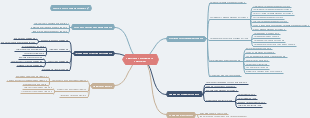
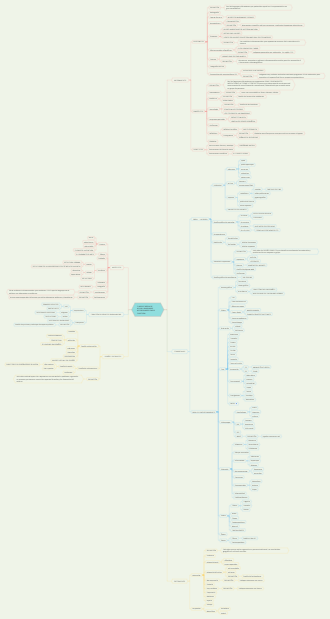
Human trafficking in India is a tragic and complex issue. Women and children are often the victims, coerced or deceived into forced labor or sexual exploitation. The government and non-governmental organizations are working tirelessly to combat this menace, but more needs to be done to eradicate it completely. This is a mind map about Human Traffic in India. The map consists of 11 main branches, namely: The illegal trade of human beings, Victim of human trafficking, Causes of human trafficking in India, Forms of human trafficking in India, Traffic routes in India, Impact of human trafficking in India, Government efforts to combine human trafficking in India, Non governmental organizations combining human trafficking in India, Challenges in combining human trafficking in India In India, Prevention strategies to address human trafficking in India, Conclusion. Each main branch has a detailed description of its sub branches. Suitable for people interested in Human Traffic in India.
Knowledge Graph
- Knowledge Graph
Knowledge Graph is a knowledge graph technology that presents massive amounts of information in a graphical manner by constructing semantic knowledge such as entities, attributes, and relationships, helping users intuitively understand the relationships and logic between knowledge. In the fields of intelligent question answering and information retrieval, Knowledge Graph plays an important role in improving the efficiency and accuracy of information processing. This is a mind map about Knowledge Graph. The map contains 10 main branches, namely: Advantages, Applications, Querying the Knowledge Graph, Graph databases, Node attributes, Entity types, Semantic relationships, Structure, Use, Definition. Each main branch has a detailed description of its sub branches. Suitable for people interested in Knowledge Graph.
- Human Trafficking
Human trafficking is a devastating crime that involves the illegal trade of human beings for labor or sexual exploitation. It strips victims of their dignity and freedom, often leading to physical and psychological trauma. This immoral act is a global issue, affecting countless individuals, families, and communities. Combating human trafficking requires concerted efforts from governments, law enforcement agencies, and the society at large to ensure justice and protection for all. This is a mind map about Human Traffic. The map contains two main branches, namely Definition and Scope, and Human Traffic. Each main branch has a detailed description of its sub branches. Suitable for people interested in the topic of Human Traffic.
- Human Trafficking in India
Human trafficking in India is a tragic and complex issue. Women and children are often the victims, coerced or deceived into forced labor or sexual exploitation. The government and non-governmental organizations are working tirelessly to combat this menace, but more needs to be done to eradicate it completely. This is a mind map about Human Traffic in India. The map consists of 11 main branches, namely: The illegal trade of human beings, Victim of human trafficking, Causes of human trafficking in India, Forms of human trafficking in India, Traffic routes in India, Impact of human trafficking in India, Government efforts to combine human trafficking in India, Non governmental organizations combining human trafficking in India, Challenges in combining human trafficking in India In India, Prevention strategies to address human trafficking in India, Conclusion. Each main branch has a detailed description of its sub branches. Suitable for people interested in Human Traffic in India.
- Recommended to you
- Outline