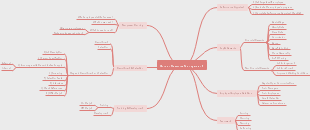
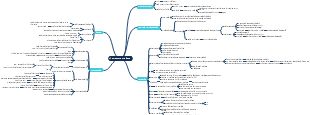
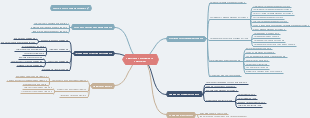
Definition and introduction of AA 12 step programme
Founded in 1935 by Bill Wilson and Dr. Bob Smith
Aimed at helping individuals recover from alcoholism
Based on the principles of spirituality and personal growth
Step 1: Admitting powerlessness over alcohol
Acknowledging the inability to control drinking behavior
Recognizing the negative impact of alcohol on life
Accepting the need for help and support
Step 2: Believing in a higher power
Developing faith in a power greater than oneself
Embracing the concept of spirituality
Finding strength and guidance from this higher power
Step 3: Turning our will over to the higher power
Surrendering control and ego to the higher power
Willingness to trust in the process of recovery
Allowing the higher power to guide decision-making
Step 4: Making a searching and fearless moral inventory
Reflecting on past actions and behaviors
Identifying character defects and shortcomings
Taking responsibility for one's actions
Step 5: Admitting the exact nature of wrongs to oneself, others, and higher power
Sharing the inventory with another person
Accepting personal flaws and mistakes
Seeking forgiveness from others and the higher power
Step 6: Being entirely ready to have defects removed
Willingness to let go of negative traits and behaviors
Embracing personal growth and change
Openness to self-improvement and transformation
Step 7: Humbly asking the higher power to remove shortcomings
Seeking guidance and help in overcoming flaws
Praying or meditating for the removal of defects
Accepting the process of change and growth
Step 8: Making a list of all persons harmed and becoming willing to make amends
Acknowledging the impact of actions on others
Taking responsibility for repairing relationships
Being open to making amends and seeking forgiveness
Step 9: Making direct amends wherever possible, except when to do so would injure them or others
Actively seeking to repair the harm caused
Apologizing and making restitution when feasible
Ensuring amends do not cause further harm
Step 10: Continuing to take personal inventory and promptly admitting when wrong
Engaging in regular self-reflection and evaluation
Acknowledging mistakes and taking corrective actions
Being accountable and responsible for one's actions
Step 12: Having a spiritual awakening and carrying the message to others
Experiencing a profound transformation in recovery
Sharing the message of hope and healing with others
Leading by example and supporting fellow alcoholics
Step 11: Seeking through prayer and meditation to improve conscious contact with the higher power
Cultivating a spiritual connection through prayer and meditation
Seeking guidance and wisdom from the higher power
Deepening the relationship with the higher power
 Wondershare EdrawMind