MindMap Gallery air pollution
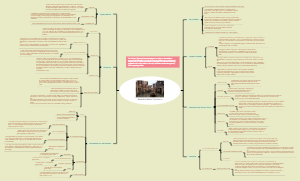
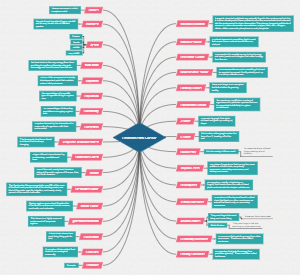
This mind map thoroughly analyzes issues such as plastic pollution, noise pollution, and littering. In the section on plastic pollution, it discusses environmental impacts and strategies for reduction; the noise pollution section explores sources, impacts, and control measures; while the littering part focuses on raising public awareness and improving waste management practices. This segmentation helps in better understanding these issues and proposing effective solutions.
Edited at 2024-05-05 22:19:54Air pollution
Causes and sources of air pollution
Industrial emissions: Factories and power plants release harmful gases and particles into the air.
Vehicle emissions: Cars, trucks, and motorcycles produce pollutants such as nitrogen oxides and particulate matter.
Burning fossil fuels: The combustion of coal, oil, and natural gas releases pollutants into the atmosphere.
Agricultural activities: The use of fertilizers and pesticides can contribute to air pollution.
Effects of air pollution on human health
Respiratory problems: Breathing in polluted air can lead to asthma, bronchitis, and other respiratory diseases.
Cardiovascular issues: Air pollution can increase the risk of heart attacks, strokes, and other heart-related problems.
Allergies and irritations: Pollutants in the air can cause allergies, skin irritations, and eye discomfort.
Diseases associated with air pollution
Lung cancer: Long-term exposure to air pollution, particularly fine particulate matter, is linked to higher rates of lung cancer.
Chronic obstructive pulmonary disease (COPD): Air pollution can worsen symptoms and progression of COPD.
Asthma: People living in areas with high air pollution may experience more frequent and severe asthma attacks.
Possible solutions to reduce air pollution
Use renewable energy sources: Transitioning from fossil fuels to renewable sources such as solar and wind can significantly reduce emissions.
Improve public transportation: Encouraging the use of buses, trains, and bicycles can reduce the number of vehicles on the road and decrease emissions.
Increase green spaces: Planting trees and creating urban parks can help absorb pollutants and improve air quality.
Implement stricter emission standards: Regulations on industrial emissions and vehicle emissions can help reduce pollution levels.
Water pollution
Sources of water pollution
Industrial waste: Factories and manufacturing plants often release hazardous chemicals and pollutants into water bodies.
Agricultural runoff: Excessive use of fertilizers and pesticides can contaminate nearby water sources through runoff.
Sewage and wastewater: Improperly treated sewage and wastewater can introduce harmful bacteria and pollutants into water systems.
Oil spills: Accidental or intentional oil spills can have devastating effects on marine ecosystems and water quality.
Impacts of water pollution on our health
Waterborne diseases: Contaminated drinking water can cause illnesses such as diarrhea, cholera, and typhoid.
Toxic exposure: Consuming or coming into contact with polluted water can lead to long-term health issues, including organ damage and cancer.
Disruption of food chain: Water pollution can harm aquatic life, leading to lower fish stocks and potential food shortages.
Diseases associated with water pollution
Gastrointestinal infections: Pathogens in contaminated water can cause gastrointestinal illnesses such as stomach cramps and vomiting.
Hepatitis A: This viral infection is commonly spread through water contaminated with fecal matter.
Methemoglobinemia: High levels of nitrates in drinking water can cause a condition called "blue baby syndrome" in infants.
Possible solutions to reduce water pollution
Improve wastewater treatment: Implementing better treatment processes can remove pollutants and harmful chemicals from wastewater before it is discharged into water bodies.
Control agricultural runoff: Promote responsible use of fertilizers and pesticides, as well as proper waste management practices in agriculture.
Create protected marine areas: Establishing marine reserves can help preserve and restore damaged ecosystems and prevent further water pollution.
Raise awareness: Educate the public about the importance of water conservation and the impact of pollution on water resources.
Litter
Types of litter
Plastic waste: Discarded plastic bags, bottles, and packaging contribute to the majority of litter found in many environments.
Cigarette butts: The most common form of litter, cigarette butts release toxic chemicals into the environment.
Paper waste: Discarded newspapers, magazines, and cardboard contribute to litter and environmental degradation.
Food waste: Thrown-away food and packaging create litter and attract pests.
Environmental and health impacts of litter
Habitat destruction: Litter can harm wildlife by contaminating their habitats and disrupting ecosystems.
Air and water pollution: Decomposing litter can release pollutants into the air and leach harmful substances into water sources.
Disease transmission: Litter attracts pests and can serve as breeding grounds for bacteria and parasites, increasing the risk of diseases.
Possible solutions to reduce litter
Promote recycling: Encourage individuals to recycle their waste materials instead of disposing of them as litter.
Implement strict littering laws: Enforce penalties and fines for littering to deter people from engaging in this behavior.
Educate the public: Raise awareness about the negative impacts of litter and the importance of responsible waste management.
Provide adequate waste disposal facilities: Install more trash bins and recycling centers in public spaces to make proper waste disposal more convenient.
Noise pollution
Sources of noise pollution
Traffic noise: The sound generated by vehicles on roads and highways can contribute to high noise levels in urban areas.
Construction activities: Construction sites produce loud noises from machinery, drilling, and other activities.
Industrial noise: Manufacturing plants and factories can generate high levels of noise, affecting nearby residential areas.
Social events and entertainment: Loud music, fireworks, and crowded gatherings can contribute to noise pollution.
Effects of noise pollution on human health
Hearing loss: Prolonged exposure to high levels of noise can lead to permanent hearing damage.
Sleep disturbance: Noise pollution can disrupt sleep patterns and lead to insomnia or other sleep disorders.
Stress and anxiety: Constant exposure to loud and disturbing noises can increase stress levels and contribute to anxiety.
Possible solutions to reduce noise pollution
Noise barriers and insulation: Construct barriers along highways and residential areas to reduce noise transmission.
Implement noise regulations: Establish and enforce strict noise standards for construction sites and industrial areas.
Limit traffic congestion: Reduce traffic congestion through better urban planning and public transportation systems.
Utilize quiet technology: Encourage the use of quieter machinery and equipment in industrial and construction activities.
Plastic pollution
Sources of plastic pollution
Single-use plastics: Disposable items like plastic bags, straws, and food packaging contribute to the majority of plastic waste.
Microplastics: Tiny plastic particles released from products like microbeads in personal care products and synthetic clothing fibers.
Improper waste management: Inadequate recycling and disposal of plastic waste lead to its accumulation in the environment.
Environmental and health impacts of plastic pollution
Marine pollution: Plastics can end up in oceans, harming marine life through ingestion, entanglement, and habitat destruction.
Soil contamination: Breakdown of plastic waste in landfills can release harmful chemicals into surrounding soil.
Human ingestion of microplastics: Microplastics have been found in drinking water, seafood, and even in the air we breathe.
Possible solutions to reduce plastic pollution
Reduce plastic consumption: Opt for reusable alternatives and avoid single-use plastics whenever possible.
Enhance recycling infrastructure: Improve recycling facilities and promote the recycling of plastic waste.
Encourage innovation: Support the development of biodegradable and environmentally-friendly alternatives to conventional plastics.
Raise awareness: Educate individuals about the impact of plastic pollution and the importance of responsible plastic use.
Soil contamination
Causes of soil contamination
Industrial activities: Improper handling and disposal of hazardous substances from factories and industrial sites.
Agricultural practices: Overuse of fertilizers, pesticides, and herbicides can lead to soil contamination.
Waste disposal: Improper disposal of solid waste and landfill leakage can contaminate the soil.
Mining operations: Extraction and processing of minerals can release toxic substances into the soil.
Effects of soil contamination on human health
Contaminated food supply: Plants grown in polluted soil can absorb toxic substances, leading to contaminated food.
Water contamination: Soil contaminants can leach into groundwater, affecting drinking water sources.
Health risks: Exposure to polluted soil can lead to various health issues, including organ damage, cancer, and developmental problems.
Possible solutions to reduce soil contamination
Proper waste management: Improve waste disposal processes to minimize soil contamination from solid waste.
Sustainable agricultural practices: Promote organic farming and reduce the use of chemical fertilizers and pesticides.
Soil remediation techniques: Implement methods to clean up contaminated soil, such as bioremediation and soil washing.
Strict regulations: Enforce regulations on industrial activities to prevent soil contamination and ensure proper waste handling.
Radioactive contamination
Sources of radioactive contamination
Nuclear accidents: Disasters like Chernobyl and Fukushima release radioactive materials into the environment.
Nuclear waste: Improper disposal and leakage of radioactive waste from nuclear power plants.
Mining and processing of radioactive materials: Uranium mining and processing can result in radioactive contamination.
Health effects of radioactive contamination
Radiation sickness: Acute exposure to high levels of radiation can cause symptoms like nausea, vomiting, and fatigue.
Cancer risk: Long-term exposure to radioactive materials increases the risk of developing cancer.
Genetic damage: High doses of radiation can cause mutations in DNA, potentially leading to birth defects and hereditary diseases.
Possible solutions to reduce radioactive contamination
Safe disposal of radioactive waste: Develop secure storage facilities for long-term storage of radioactive waste.
Stringent safety measures: Implement strict regulations and safety protocols in nuclear power plants and other industries dealing with radioactive materials.
Promote renewable energy: Shift towards renewable energy sources to reduce the reliance on nuclear power.
International cooperation: Collaborate globally to enhance the safety and regulation of nuclear activities.
Thermal pollution
Causes of thermal pollution
Power plants: Thermal power plants release heated water into nearby rivers and lakes