MindMap Gallery how senegal is empowering women in green business
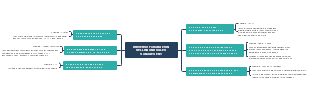
This mind map exhaustively explores conclusions, introductions, and challenges faced by women in green business. The conclusions section offers summarizing views of the research; the introduction part sets the background and scope of discussion; the challenges faced by women in green business section analyzes specific issues and opportunities encountered by women in the environmental protection industry. This provides a valuable perspective on gender equality and environmental conservation.
Edited at 2024-05-08 16:09:52How Senegal is Empowering Women in Green Business

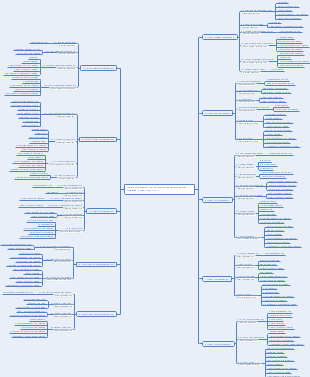
Introduction
Overview of the topic and its significance
Senegal's efforts in empowering women in green business
Senegal's focus on promoting sustainable and environmentally friendly practices in business
Examples of initiatives promoting renewable energy, organic farming, and waste management
Impact on environmental sustainability and reduction of carbon footprint
Importance of women's empowerment in green business
Economic benefits for women and their families
Increased income generation and financial independence
Poverty reduction and enhanced well-being
Social benefits for women and communities
Improved access to education and healthcare
1. Increased access to education and healthcare can promote gender equality and economic growth in Senegal's green business sector .
2. Empowering women in green businesses is essential for sustainable development and achieving the United Nations' Sustainable Development Goals .
3. Senegal's initiatives in empowering women in green businesses can create job opportunities and contribute to poverty reduction .
4. Women's empowerment in green businesses can lead to improved health and education outcomes for individuals and communities .
5. Access to quality education and healthcare services can enhance women's skills and productivity in the green business sector .
6. Empowering women in green businesses can foster social cohesion, reduce inequalities, and promote sustainable development in Senegal .
7. Improved access to education and healthcare can help women overcome barriers and contribute to the country's environmental conservation efforts.
Enhanced decision-making power and gender equality
Environmental benefits for sustainable development
Conservation of natural resources and biodiversity
Climate change mitigation and resilience building
Collaboration between government, NGOs, and private sector
Government policies and regulations supporting women's entrepreneurship in green business
NGOs' role in providing training, mentorship, and access to finance for women in this sector
Private sector partnerships for market access and scaling up green business ventures
Challenges and potential solutions
Gender biases and stereotypes limiting women's participation and leadership in green business
Awareness and advocacy for changing societal attitudes and norms
Capacity-building programs to develop skills and confidence in women
Access to finance and resources for women entrepreneurs
Microcredit programs and targeted financial support for women-led green businesses
Partnerships with financial institutions to provide affordable loans and investment opportunities
Monitoring and evaluation of impact
Data collection and analysis to assess progress and identify areas for improvement
Collaboration between stakeholders for knowledge sharing and learning from best practices
Scaling up successful models and replication in other regions/countries
Documentation and dissemination of success stories and lessons learned
Replication of supportive policies and programs in other contexts to empower women in green business.
Gender equality in Senegal
Current status of gender equality in Senegal
Legal framework
Senegal has made significant progress in enacting legislation to promote gender equality.
The Constitution guarantees equal rights and opportunities for men and women.
The Family Code was reformed in 1999 to give women greater protection in areas such as marriage, divorce, and inheritance.
The Labor Code prohibits discrimination based on gender in the workplace.
Educational opportunities
Despite progress, there are still gender disparities in access to education in Senegal.
Girls' enrollment rates are lower than boys' at all levels of education.
Girls face challenges such as early marriage, household chores, and societal attitudes that discourage their education.
Efforts have been made to promote girls' education, including the establishment of initiatives and programs to address these obstacles.
Economic participation
Women in Senegal face barriers to economic empowerment.
They have limited access to credit, land ownership, and business opportunities.
Women are more likely to be engaged in informal, low-paying jobs compared to men.
Efforts have been made to promote women's economic participation through initiatives such as microfinance programs and support for women-led businesses in the green sector.
Political representation
Women in Senegal are underrepresented in political decision-making positions.
They face obstacles such as limited access to resources and societal expectations.
Efforts have been made to promote women's political participation and increase their representation in government through gender quotas and support for women candidates.
Social norms and cultural practices
Traditional gender roles and cultural norms contribute to gender disparities in Senegal.
Patriarchal structures and expectations limit women's agency and decision-making power.
Efforts have been made to challenge and change these norms through awareness campaigns, education, and community engagement.
Violence against women
Gender-based violence remains a significant challenge in Senegal.
Women face various forms of violence, including domestic violence, sexual harassment, and harmful practices like child marriage and female genital mutilation.
Efforts have been made to address and prevent violence against women through legislation, awareness campaigns, and support services for survivors.
Challenges faced by women in various sectors
The importance of empowering women in green business
Benefits of women's participation in the green economy
Economic growth and development
Women's participation in the green economy can contribute to economic growth and development.
Women can bring new perspectives, skills, and ideas to the green business sector.
By empowering women in green business, it can lead to job creation and economic opportunities for communities.
Increased income and financial independence
Women's participation in the green economy can help them earn a sustainable income and become financially independent.
This can lead to better living standards and improved quality of life for themselves and their families.
Poverty reduction
Women's participation in the green economy can help alleviate poverty.
Through access to green business opportunities, women can generate income and lift themselves and their communities out of poverty.
Environmental sustainability
Women's involvement in the green economy can contribute to environmental sustainability.
Women often have a deep connection to the natural environment and possess traditional knowledge and skills related to sustainable practices.
Their participation can promote eco-friendly practices and conservation efforts.
Climate change mitigation and adaptation
Women's participation in the green economy can play a crucial role in climate change mitigation and adaptation.
They can contribute to reducing carbon emissions, promoting renewable energy, and implementing sustainable agricultural practices.
Gender equality and social empowerment
Women's participation in the green economy can contribute to gender equality and social empowerment.
By breaking traditional gender roles and stereotypes, women can assert themselves in previously male-dominated sectors.
This can lead to increased respect, recognition, and decision-making power for women in their communities.
Access to education and skills development
Participation in the green economy can provide women with opportunities for education and skills development.
This can enhance their capacity to actively engage in the sector and create positive change.
Improved health and well-being
Women's participation in the green economy can improve their overall health and well-being.
Through access to clean energy, sustainable agriculture, and other green practices, women and their families can enjoy better living conditions and health outcomes.
Impact on sustainable development goals in Senegal
Sustainable development goals in Senegal
Overview of the sustainable development goals in Senegal
Importance of achieving these goals for the country's future
Women's participation in the green economy
Current level of women's involvement in the green economy
Existing barriers and opportunities
Initiatives and programs supporting women in green business
Government initiatives and policies promoting women's participation in green businesses
Non-governmental organizations and their programs empowering women
Success stories of women in green business in Senegal
Case studies of successful women-led green businesses
Example 1: Women-led business specializing in sustainable agriculture
The business focuses on organic farming methods
Growing fruits and vegetables without the use of harmful pesticides or chemicals
Utilizing compost and natural fertilizers for soil enrichment
Empowering women in agricultural activities
Providing training and support to local women in sustainable farming practices
Offering opportunities for women to become self-employed through farming
Example 2: Women-led business in renewable energy sector
Specializing in solar panel installation and maintenance
Installing solar panels for residential and commercial buildings
Conducting regular maintenance and repairs for optimal performance
Promoting renewable energy adoption
Raising awareness about the benefits of solar energy in the community
Advocating for government incentives and policies to support renewable energy initiatives
Example 3: Women-led business in waste management and recycling
Focusing on waste reduction and recycling efforts
Implementing recycling programs for households and businesses
Developing innovative ways to repurpose waste materials
Creating employment opportunities for women
Providing training and employment for women in waste collection and recycling
Encouraging entrepreneurship through waste recycling initiatives
Example 4: Women-led business in eco-tourism
Promoting sustainable tourism practices
Offering eco-friendly accommodations and activities
Educating tourists about the importance of conservation and responsible travel
Supporting local communities and preserving natural resources
Collaborating with local communities to provide economic benefits from tourism
Participating in conservation efforts to protect wildlife and natural habitats
Factors contributing to their success
Challenges faced by women in green business
Gender-based obstacles faced by women entrepreneurs
Lack of access to resources and funding
Insufficient financial support
Limited access to loans and credit
Women in green business face difficulties in obtaining loans and credit from financial institutions.
Lack of collateral and financial literacy can lead to rejection of loan applications.
High interest rates on loans
Women may be charged higher interest rates compared to their male counterparts, making it harder to repay.
Lack of venture capital
Women entrepreneurs in green business struggle to secure venture capital for their ventures.
Limited access to technical resources
Lack of technology and equipment
Women lack access to modern technology, equipment, and tools necessary for green businesses.
Limited access to reliable and affordable energy sources hinders business operations.
Limited access to information and knowledge
Women face challenges in accessing relevant information and knowledge about green business practices and market trends.
Limited training and capacity building opportunities
Women need access to training programs and workshops to develop their business skills and knowledge.
Lack of government support
Insufficient policies and regulations
The government should establish supportive policies and regulations to promote and empower women in green business.
Limited government funding
There is a lack of government funding initiatives specifically targeting women in green business.
Limited support services
Women lack access to support services such as business advisory, mentorship, and networking opportunities.
Social and cultural barriers
Gender biases and stereotypes
Societal norms and gender biases limit women's involvement in the green business sector.
Lack of support from family and community
Women may face resistance and lack of support from their families and communities in pursuing green business ventures.
Limited access to networks and market opportunities
Women face challenges in accessing networks and market opportunities due to limited connections and support.
Lack of representation and visibility
Underrepresentation in decision-making roles
Women have limited representation and participation in decision-making bodies related to green business and sustainability.
Limited media coverage and recognition
Women's contributions and successes in green business are often overlooked and not adequately highlighted.
Future prospects and opportunities for women in green business
Potential growth areas for women in the green economy
Opportunities for capacity building and skill development
Conclusion
Recap of the importance of women's empowerment in green business
Call to action for further support and investment in women-led initiatives
Overall outlook for the future of women in green business in Senegal.