MindMap Gallery Injection mind map
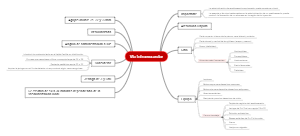
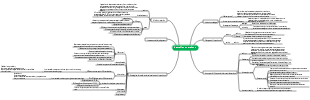
This is a mind map about injections, which introduces concepts and classifications, Route of administration, Injection characteristics, Quality requirements, etc.
Edited at 2024-04-22 12:30:15Avatar 3 centers on the Sully family, showcasing the internal rift caused by the sacrifice of their eldest son, and their alliance with other tribes on Pandora against the external conflict of the Ashbringers, who adhere to the philosophy of fire and are allied with humans. It explores the grand themes of family, faith, and survival.

This article discusses the Easter eggs and homages in Zootopia 2 that you may have discovered. The main content includes: character and archetype Easter eggs, cinematic universe crossover Easter eggs, animal ecology and behavior references, symbol and metaphor Easter eggs, social satire and brand allusions, and emotional storylines and sequel foreshadowing.
[Zootopia Character Relationship Chart] The idealistic rabbit police officer Judy and the cynical fox conman Nick form a charmingly contrasting duo, rising from street hustlers to become Zootopia police officers!
Avatar 3 centers on the Sully family, showcasing the internal rift caused by the sacrifice of their eldest son, and their alliance with other tribes on Pandora against the external conflict of the Ashbringers, who adhere to the philosophy of fire and are allied with humans. It explores the grand themes of family, faith, and survival.
This article discusses the Easter eggs and homages in Zootopia 2 that you may have discovered. The main content includes: character and archetype Easter eggs, cinematic universe crossover Easter eggs, animal ecology and behavior references, symbol and metaphor Easter eggs, social satire and brand allusions, and emotional storylines and sequel foreshadowing.
[Zootopia Character Relationship Chart] The idealistic rabbit police officer Judy and the cynical fox conman Nick form a charmingly contrasting duo, rising from street hustlers to become Zootopia police officers!
injection
I. Overview
Concepts and Classifications
⑴ Concept: refers to raw materials or sterile preparations made with appropriate excipients for injection into the body.
⑵Classification
1.Injection
solution injection
Emulsion type injection
Suspension injection
2. Sterile powder for injection
3. Concentrated solution for injection
Route of administration
Common routes of administration
intravenous injection
Divided into intravenous push injection and intravenous drip. Non-aqueous solutions and suspensions cannot be used, and the injections used must not add bacteriostatic agents.
intramuscular injection
The dosage is 1 to 5ml. Drugs that are too irritating should not be used.
subcutaneous injection
Mainly aqueous solution, dosage 1~2ml
intradermal injection
≤0.2ml, allergy test or disease diagnosis
spinal injection
The osmotic pressure and pH of the injection should be equal to those of the spinal fluid It does not contain particles, the amount does not exceed 10ml, and no inhibitors are allowed.
intra-arterial injection
other
Intra-articular injection, intracardiac injection, acupoint injection, intra-synovial cavity injection
Injection characteristics
advantage
Rapid efficacy, accurate dosage, and reliable action
Suitable for drugs that are not suitable for oral administration
Suitable for patients who are not suitable for oral administration
Has localized drug delivery effect
can produce long-lasting effects
shortcoming
poor compliance
High production cost
Strict quality requirements
Quality requirements
Sterile
Free of any living microorganisms and spores
Sterile powder for injection shall comply with the requirements for injection after being formulated into an injection solution
Concentrated solutions for injection should meet the requirements for injections after dilution
No pyrogen
Veins and spinal cavities require pyrogen testing
Clarity
There should be no visible turbidity or foreign matter
safety
Must not cause irritation or toxic reactions Especially non-aqueous solutions and additives
Osmotic pressure
Close to or equal to plasma Injections need to be isotonic, large infusions should be isotonic or hypertonic, and isotonic
pH
4~9
stability
Other antihypertensive substances
2. Prescription composition of injections
API
Solvent
Water for Injection
pH5.0~7.0
Should be used within 24 hours of collection
non-aqueous solvent
oil for injection
Mainly include soybean oil, sesame oil, tea oil and other vegetable oils
Evaluation index: alkali value, acid value, saponification value
ethanol
Can be injected intravenously or intramuscularly However, when the concentration exceeds 10%, hemolysis or pain may occur.
propylene glycol
It can be injected intravenously or intramuscularly. The commonly used concentration in mixed solvents is 10%-60%.
glycerin
Commonly used concentrations are 1%-50%
polyethylene glycol
It can be injected intravenously or intramuscularly, and the usual concentration is 1%-50%.
dimethylacetamide
Commonly used concentration is 0.01%
Additive (Increase solubility, improve stability, reduce pain or irritation, antibacterial)
Antioxidants
Metal ion chelating agent
Buffer
suspending agent
stabilizer
Solubilizer, wetting agent, emulsifier
bacteriostatic agent
local anesthetic
isotonic regulator
filler
Protective agent
3. Preparation
Preparation Process
water treatment
Containers and handling
Type of container
single dose container
ampoule
multi-dose container
Vial
bulk container
infusion bottle, infusion bag
cartridge
prefilled syringe
ampoule
type
Neck ampoule
powder ampoule
washing
Pressurized air and water alternating jet washing method
Ultrasonic cleaning method
Drainage washing method
No-wash ampoules
Dry sterilization
Drying: 120℃~140℃ 2 hours
Sterilization: 180℃ dry heat sterilization for 1.5 hours
Sterile ampoules should be stored for no more than 24 hours
Preparation of medicinal solution
Feeding
Dosage of raw materials (additives) = actual liquid volume × finished product content (%) Actual liquid volume = Actual filling volume Actual filling loss
Selection and handling of ingredients: Jacketed pot with stirrer
Configuration method
Concentrated preparation method
It refers to adding all the drugs to part of the prescription amount of solvent to form a concentrated solution, heating or refrigeration, filtering, and then diluting to the required concentration.
It is suitable for raw materials of poor quality and can filter out some impurities with low solubility.
Dilute method
It refers to adding the drug to all the solvents in the prescription amount to directly prepare it to the required concentration. then filter
This method is easy to operate and suitable for high-quality raw materials.
Filtration and potting
Generally, two-level filtration is used: first filter with sand filter rod or vertical fused glass funnel, and then filter with microporous membrane.
Ampoule sealing requirements: tight and airtight, with a round and smooth top No crooked, pointed, flat, burnt, or bubble heads
Sterilization and leak detection
121℃ 15 minutes or 116℃ 40 minutes
Printing or labeling and packaging
4. Quality control
Sterile
membrane filtration
direct vaccination method
Pyrogens and bacterial endotoxins
Heat source: rabbit method Bacterial Endotoxins: Limulus Reagent Method
Visible foreign body
Light inspection method light scattering
insoluble particles
Loading quantity inspection
Loading volume difference
Osmolarity
pH
Between 4.0 and 9.0 The difference range of the same variety should not exceed ±1.0
other
5. Large volume injection
Overview
definition
It is an injection that is introduced into the body through intravenous drip. Generally, the infusion volume is not less than 100ml, and biological products are generally not less than 50ml.
Features
Strict quality requirements
Osmotic pressure and blood isotonicity and isotonicity
dose
The infusion dose is more than 100ml, the maximum is 1000ml, usually 500ml
Type and route of administration
Usually administered by intravenous drip
Hemodynamics
Quality requirements
prescription requirements
No bacteriostatic agents, solubilizers, analgesics or other additives should be added to the infusion.
Preparation process requirements
The time from preparation to sterilization of small-volume injections is generally controlled within 12 hours. The time from preparation to sterilization of infusion is within 4 hours
Classification
Infusions for fluid balance
Replenish body water, electrolytes, and maintain acid-base balance in the body Example: sodium chloride injection, sodium bicarbonate injection, sodium lactate injection
Nutritional infusion
For patients who cannot absorb nutrients orally Example: carbohydrate infusion, amino acid infusion, fat emulsion infusion
Colloidal infusion
Regulate osmotic pressure in the body Examples: polysaccharides, gelatins, high molecular polymers
Medicinal infusion
Infusions containing therapeutic drugs
dialysis infusion
For patients requiring blood purification treatment
Quality requirements
The pH of the infusion should be close to the pH of human blood on the basis of ensuring the efficacy and product stability.
The osmotic pressure of the infusion should be isotonic
No bacteriostatic agents should be added to the infusion, and the quality should be stable during storage.
Does not contain heterosexual proteins and antihypertensive substances that can cause allergic reactions
preparation
Preparation Process
Containers and disposal methods
glass bottle
Pickling method
Under normal circumstances, potassium dichromate sulfate cleaning solution has a good cleaning effect.
Alkaline cleaning method
Rinse with 2% sodium hydroxide solution (50~60℃), or 1%-3% sodium carbonate solution. After alkali treatment, the bottles should be washed with tap water, purified water, and water for injection in order and then set aside.
Direct water washing method
It is suitable for bottle-making workshops with high cleanliness. When the bottles are sealed immediately after being released, they only need to be rinsed with water for injection.
Plastic Packaging
plastic bottle
plastic soft bag
rubber stopper
No acid and alkali treatment is required, just use distilled water for dynamic rinsing without adding an isolation film. The temperature does not exceed 121°C, dry, sealed and ready for use
Infusion configuration
Require
Use fresh pyrogen-free water for injection
Carefully clean preparation containers, filtration devices and delivery pipes
Clean immediately after use and sterilize regularly
method
Concentrated preparation method (multi-purpose)
Dilute method
Filtration of infusion
Generally, pressurized three-stage filtration is used, first using a plate and frame filter, then a vertical fusion glass filter, and finally using a microporous filter membrane (pore size 0.65μm or 0.8μm)
Potting for infusion
Medicinal liquid infusion
Rubber stopper
Rolled aluminum cover
Sterilization of infusion fluids
No more than 4 hours from configuration to sterilization
F₀≥12 121℃ 15min
F₀≥8 115℃ 30min or 121℃ 8min
Plastic soft bag: 109℃ 45min
Infusion packaging
quality inspection
Visible foreign matter and insoluble particles inspection
Pyrogens, endotoxins and sterility testing
Content, pH and osmotic pressure checks
common problem
Insoluble particles and visible foreign matter
Caused by production environment and process operations
Caused by infusion containers and accessories
Raw materials and accessories are introduced
Contamination problem
Reduce pollution, strictly sterilize, and package tightly
pyrogenic reaction
definition
It refers to the general term for pyrogenic substances that can cause abnormal increases in body temperature of warm-blooded animals and humans. It is an endotoxin produced by microorganisms such as bacteria. Pyrogens produced by Gram-negative bacilli and molds have the strongest pyrogenic ability.
nature
heat resistance
Under normal circumstances, heating at 60℃ for 1 hour will not affect it, and heating at 100℃ for 1 hour will not cause degradation.
Complete destruction: 180℃-200℃ dry heat for 2 hours, 250℃ dry heat for 45 minutes or 650℃ dry heat for 1 minute
Filterability
Small size, about 1~5nm, can pass through general filters
adsorption
Porous activated carbon can adsorb pyrogens
water soluble
soluble in water
non-volatile
It is not volatile by itself, but during distillation, pyrogens can be brought into distilled water along with the mist droplets in the water vapor.
other
Can be destroyed by strong acids, strong bases and strong oxidants
contamination pathways
Water for Injection
Raw materials
production process
Containers, utensils, pipes, devices
Infusion set
Pyrogen removal method
high temperature method
250℃ for more than 30 minutes
Acid-base method
Potassium dichromate sulfuric acid cleaning solution, dilute sodium hydroxide solution
adsorption method
Commonly used dosage of activated carbon is 0.1%-0.5%
Distillation
gel filtration
Diethylaminoethyl dextran gel
reverse osmosis method
Ultrafiltration
The pore size of ultrafiltration membrane can be as small as 1nm
other
Ion exchange method
More than two times of moist heat sterilization
Increase the sterilization temperature appropriately
6. Sterile powder for injection
Overview
Definition: Sterile powder for injection, commonly known as powder for injection, refers to raw materials or drugs made with suitable excipients for temporary use. Sterile powder or sterile block prepared with sterile solvent for injection.
Used for drugs that are sensitive to moisture and heat and unstable in aqueous solutions
Quality requirements
No foreign matter, clarity after reconstitution is acceptable
Powder fineness and crystallinity for easy packaging
Sterile, pyrogen-free
Clean operation
Sterile packaging products for injection
Preparation Process
Raw materials: Sterile raw materials are prepared using crystallization and spray drying methods under aseptic conditions.
Dispensing: Quantification is mostly based on volume, and manual or mechanical dispensing methods can be used.
Problems
Loading volume difference
Sterile materials to be packaged have poor fluidity
Visible foreign matter and insoluble particles
Strictly control the entire production process of sterile packaging products to prevent contamination
Contamination
Sterile Practice and Environment
Moisture absorption and deterioration
Freeze-dried products for injection
definition
The drug is prepared into a sterile aqueous solution or uniform suspension, packed in containers, and removed by freeze-drying. The sterile injectable powder obtained after removing moisture and sealing.
Advantages and Disadvantages
advantage
Prevent drugs from decomposing due to high heat and dryness
The product is loose and porous and can be quickly dissolved after adding water.
Low moisture content, can remove 95% to 99% of moisture
Less chance of contamination
Accurate dosage and excellent appearance
shortcoming
Solvents cannot be chosen arbitrarily
Requires special equipment and high cost
Preparation process and technology
Treatment before freeze-drying
Solution preparation, sterile filtration, sterile dispensing
pre-frozen
Down to 10℃~20℃ below the eutectic point
Divided into quick freezing and slow freezing
Quick freezing: worthwhile products are loose and soluble
Slow freezing: increase freeze-drying rate
Sublimation drying
Set the condenser temperature to -45℃, evacuate (0.1mmHg), turn off the freezer, and slowly raise the temperature to about -20℃
One time sublimation method
Suitable for eutectic point -20℃~-10℃, and the viscosity and concentration are not large
Repeated pre-freezing sublimation method
Suitable for products with lower melting points or complex and viscous structures
Dry again
Continue to heat up to 0℃ or room temperature
seal
Seal immediately after freeze drying
Problems and solutions
High water content
The liquid layer is too thick, the heat supply is insufficient, the vacuum is insufficient, and the condenser temperature is too high.
spray bottle
Incomplete pre-freezing and heating too fast
Solution: The pre-freezing temperature should be 10°C to 20°C below the eutectic point, and the heating temperature should not exceed the eutectic point.
The product appearance is not full or shrunk
Products with high viscosity are prone to
Solution: Add filler, repeat pre-freezing and sublimation method