MindMap Gallery How to make friends with people better than you mind map
Harvard Business School’s network-building method is all about doing, not talking! There is a widely circulated concept in the United States: Who you know is more important than what you know! Even in top schools like Harvard Business School, "networking" is a tacit study topic among political and business elites.
Edited at 2024-04-06 10:41:21This is a flowchart illustrating the process of archiving monthly failure analysis reports and tracking the implementation of improvement measures. The diagram is structured into five main steps, each with specific tasks and sub-tasks.Monthly Report Collection & Organization: This step involves collecting failure analysis reports from various departments, reviewing them for completeness, and categorizing them by product, failure mode, and severity. Root Cause Analysis & Statistics: Here, the focus is on categorizing causes, analyzing trends, identifying root causes, and compiling statistics on high-frequency failure modes and key components. Improvement Measure Formulation & Assignment: This step includes formulating improvement measures, assigning responsibilities, and setting timelines for implementation.Measure Implementation Tracking & Verification: It involves tracking the progress of implementation, verifying effectiveness, and confirming issue closure.Knowledge Base Update & Monthly Report Output: The final step covers archiving reports, updating the knowledge base, and compiling monthly summaries.This template can be easily reused and adapted using tools like EdrawMind to suit different organizational needs.
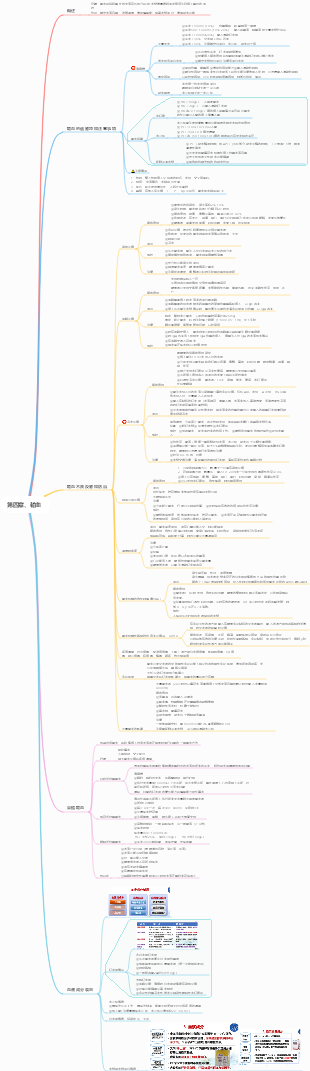
This is a timeline infographic detailing the annual product certification acquisition countdown process, structured into four sequential phases. The first phase, Certification Planning & Initiation, encompasses goal setting, timeline planning, resource preparation, defining specific certification objectives such as CCC/CE/FCC, formulating an annual plan with key milestones, and allocating necessary budget, personnel, and sample resources. Following this, the Application & Testing Phase involves material submission, coordination with certification agencies, core testing procedures, preparation of technical documents, application forms, and samples, selection of the appropriate certification agency, and execution of critical safety, EMC, and RF tests. The subsequent Rectification & Acquisition Phase focuses on addressing and rectifying any identified issues, re-verification processes, acquisition of the certificate, analysis of test issues, implementation of necessary fixes, and modification of samples for supplemental testing. Finally, the Countdown Monitoring phase emphasizes tracking progress, managing risks, monitoring remaining days and key milestones, managing time, technical, and cost risks, and maintaining effective internal and external communication throughout the process. This comprehensive template can be readily reused and adapted using tools like EdrawMind to meet diverse organizational requirements.
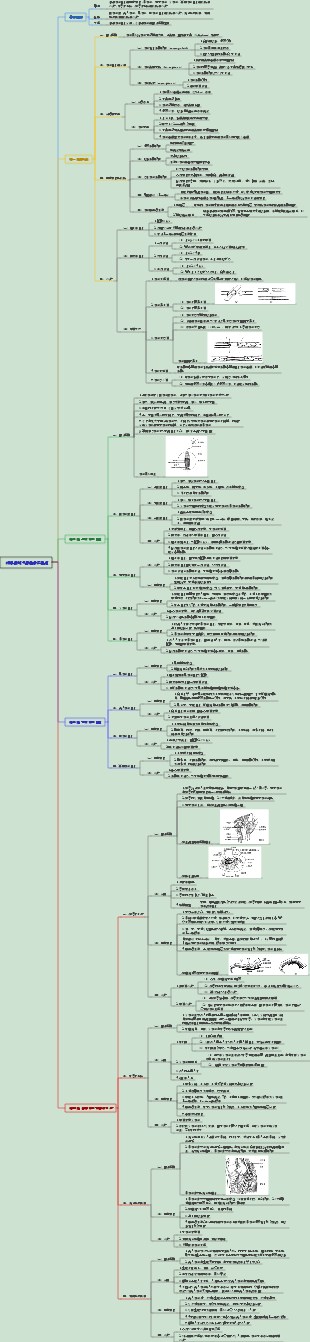
This is a flowchart detailing the weekly update and review plan for technical documents. The process is divided into six main stages, each with specific tasks and responsibilities. It begins with Weekly Planning, where the document scope is defined, update objectives are set, and schedules are arranged. Next, Document Updates involve maintaining various documents such as hardware design documents, test specifications, and BOM tables, alongside version control and archiving. Internal Review Preparation follows, focusing on compiling review materials, identifying participants, and setting agendas. The Review Meeting stage includes document examination, problem discussion, decision recording, and responsibility allocation. After the meeting, Review Feedback Processing takes place, involving issue tracking, document modification, quality checks, and closure verification. Finally, Output Deliverables are prepared, including official release versions, release notifications, review reports, and plans for the next week. This structured approach ensures systematic and efficient management of technical documents, and the template can be easily adapted using tools like EdrawMind.
This is a flowchart illustrating the process of archiving monthly failure analysis reports and tracking the implementation of improvement measures. The diagram is structured into five main steps, each with specific tasks and sub-tasks.Monthly Report Collection & Organization: This step involves collecting failure analysis reports from various departments, reviewing them for completeness, and categorizing them by product, failure mode, and severity. Root Cause Analysis & Statistics: Here, the focus is on categorizing causes, analyzing trends, identifying root causes, and compiling statistics on high-frequency failure modes and key components. Improvement Measure Formulation & Assignment: This step includes formulating improvement measures, assigning responsibilities, and setting timelines for implementation.Measure Implementation Tracking & Verification: It involves tracking the progress of implementation, verifying effectiveness, and confirming issue closure.Knowledge Base Update & Monthly Report Output: The final step covers archiving reports, updating the knowledge base, and compiling monthly summaries.This template can be easily reused and adapted using tools like EdrawMind to suit different organizational needs.
This is a timeline infographic detailing the annual product certification acquisition countdown process, structured into four sequential phases. The first phase, Certification Planning & Initiation, encompasses goal setting, timeline planning, resource preparation, defining specific certification objectives such as CCC/CE/FCC, formulating an annual plan with key milestones, and allocating necessary budget, personnel, and sample resources. Following this, the Application & Testing Phase involves material submission, coordination with certification agencies, core testing procedures, preparation of technical documents, application forms, and samples, selection of the appropriate certification agency, and execution of critical safety, EMC, and RF tests. The subsequent Rectification & Acquisition Phase focuses on addressing and rectifying any identified issues, re-verification processes, acquisition of the certificate, analysis of test issues, implementation of necessary fixes, and modification of samples for supplemental testing. Finally, the Countdown Monitoring phase emphasizes tracking progress, managing risks, monitoring remaining days and key milestones, managing time, technical, and cost risks, and maintaining effective internal and external communication throughout the process. This comprehensive template can be readily reused and adapted using tools like EdrawMind to meet diverse organizational requirements.
This is a flowchart detailing the weekly update and review plan for technical documents. The process is divided into six main stages, each with specific tasks and responsibilities. It begins with Weekly Planning, where the document scope is defined, update objectives are set, and schedules are arranged. Next, Document Updates involve maintaining various documents such as hardware design documents, test specifications, and BOM tables, alongside version control and archiving. Internal Review Preparation follows, focusing on compiling review materials, identifying participants, and setting agendas. The Review Meeting stage includes document examination, problem discussion, decision recording, and responsibility allocation. After the meeting, Review Feedback Processing takes place, involving issue tracking, document modification, quality checks, and closure verification. Finally, Output Deliverables are prepared, including official release versions, release notifications, review reports, and plans for the next week. This structured approach ensures systematic and efficient management of technical documents, and the template can be easily adapted using tools like EdrawMind.
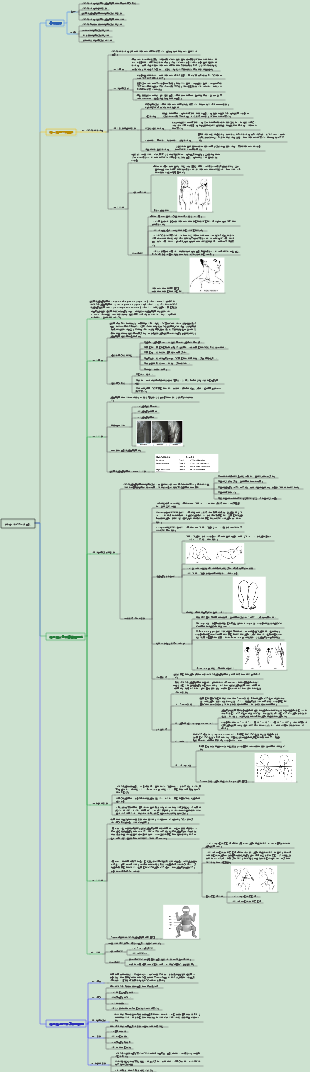
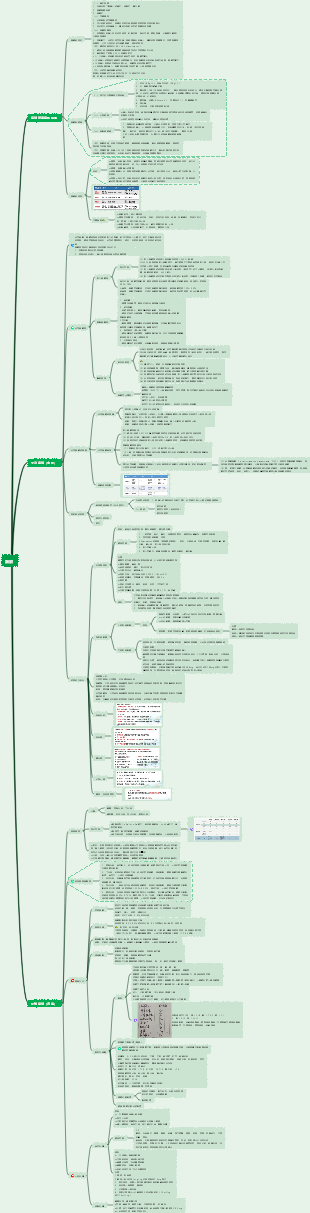
"How to make friends with people better than you" mind map
Personal connections are actually everywhere
Teach you to re-examine and explore the connections around you
What is the secret to running a circle of friends online?
This is the way to get along with your boss in the workplace
Three misunderstandings about connections
Afraid to socialize
self-abasement
Negative energy feedback from the outside world aggravates feelings of inferiority
Not willing to build connections
disdain
Think that connections are too utilitarian
Not social
Don't dare
Lack of proper social media
solution
A mindset for thinking about problems: a growth mindset
Treat every interaction with people as an opportunity to grow and learn
Make a list of fears and compare them with facts
The "Tao" and "Technology" of Cultivating Network Power
The core concept of cultivating network power
Maintain a childlike curiosity
Interested in other people and the world
Sincerity and warmth are stepping stones
Authenticity and sincerity = the basis for getting along
Create value for others
Points of Interest Passion Value = Providing Value
Building techniques for cultivating network power
Friends are the ones who get into trouble
Add deeper connections
Improve trust
Share the soft parts of your heart with your friends
Make others relate to you
Grasp the degree of negative energy
Scenario-based social practice
Five levels of chatting
polite words
fifth floor
"How are you?" "Are you busy?"
Discuss others without involving yourself
fourth floor
thoughts and judgments
the third floor
Start real communication
feelings and emotions
Second floor
deeper communication
Share your complete emotions and your completely authentic self
The core
Correct way to connect to chat
Strong connection
Good relationship
weak connection
average relationship
Online social skills
How to make friends online
send invitation
Say hello to the person immediately
How to stay connected online
Like the comments in each other’s circle of friends
To learn, look for bright spots
Help others connect
How to run a circle of friends
Tag your friends
How to “manage” your boss
Understand your boss’s work habits
A boss who focuses on reading
Give paper report first, then report
A boss who listens first
Report in person first, then give paper report
Understand your boss’s expectations
The importance of execution
Have your own ideas and dare to express your opinions
Be proactive and have a positive attitude
Make your boss more successful and your boss will help you be more successful
Don't make excuses for yourself, be a responsible subordinate
Establishing a good relationship with your boss starts with communication
Find your career mentor
Meet people better than you
The power of connections can help you in your life