MindMap Gallery body fluid regulation
High school biology is a compulsory course on fluid regulation. By studying these contents, you can better understand how the body maintains homeostasis through various regulatory methods.
Edited at 2024-02-12 15:52:36Avatar 3 centers on the Sully family, showcasing the internal rift caused by the sacrifice of their eldest son, and their alliance with other tribes on Pandora against the external conflict of the Ashbringers, who adhere to the philosophy of fire and are allied with humans. It explores the grand themes of family, faith, and survival.

This article discusses the Easter eggs and homages in Zootopia 2 that you may have discovered. The main content includes: character and archetype Easter eggs, cinematic universe crossover Easter eggs, animal ecology and behavior references, symbol and metaphor Easter eggs, social satire and brand allusions, and emotional storylines and sequel foreshadowing.
[Zootopia Character Relationship Chart] The idealistic rabbit police officer Judy and the cynical fox conman Nick form a charmingly contrasting duo, rising from street hustlers to become Zootopia police officers!
Avatar 3 centers on the Sully family, showcasing the internal rift caused by the sacrifice of their eldest son, and their alliance with other tribes on Pandora against the external conflict of the Ashbringers, who adhere to the philosophy of fire and are allied with humans. It explores the grand themes of family, faith, and survival.
This article discusses the Easter eggs and homages in Zootopia 2 that you may have discovered. The main content includes: character and archetype Easter eggs, cinematic universe crossover Easter eggs, animal ecology and behavior references, symbol and metaphor Easter eggs, social satire and brand allusions, and emotional storylines and sequel foreshadowing.
[Zootopia Character Relationship Chart] The idealistic rabbit police officer Judy and the cynical fox conman Nick form a charmingly contrasting duo, rising from street hustlers to become Zootopia police officers!
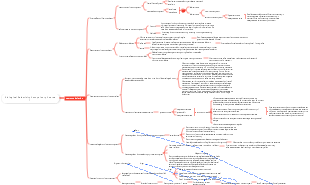
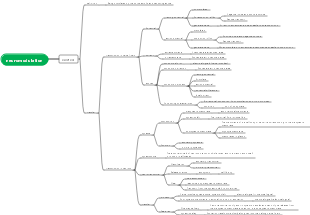
body fluid regulation
Hormone and Secretion System
discovery of hormones
endocrine glands
No catheter
exocrine glands
Have a catheter
outside the body or digestive cavity
Sweat, digestive juices, etc.
pancretin, a hormone discovered in humans
The components and functions of the endocrine system
hypothalamus
Secrete hormone-releasing hormones. These hormones act on the pituitary gland and regulate the secretion and release of corresponding hormones by the pituitary gland.
Note: Antidiuretic hormone is synthesized by hypothalamic neurons and released by the pituitary gland
pituitary
Under the regulation of hormones secreted by the hypothalamus, secretion of hormones regulates the secretory activities of the corresponding endocrine glands. Secrete growth hormone, regulate growth and development, etc.
thyroid
Under the regulation of hormones secreted by the pituitary gland, it secretes thyroid hormone, etc.; thyroid hormone has the functions of regulating the metabolism of organic matter in the body, promoting growth and development, and increasing nerve excitability.
Insufficient secretion of hours: stay small
Excess secretion: hyperthyroidism
Adrenal gland
It is regulated by hormones secreted by the pituitary gland and is divided into two parts: the cortex and the medulla. The former mainly secretes aldosterone, cortisol, etc., and regulates water and salt metabolism and organic matter metabolism. The latter can secrete adrenaline and improve the body's stress ability.
Generally synergizes with thyroid
pancreas
There are a variety of secretory cells in the pancreatic islets. The islet B cells secrete insulin and the islet A cells secrete glucagon. These two hormones play an important regulatory role in glucose metabolism.
Both endocrine glands and exocrine glands
ovary
It is regulated by hormones secreted by the pituitary gland; the estrogen and progesterone secreted can promote the development of female reproductive organs, the production of egg cells, and the emergence of female secondary sexual characteristics.
Sex hormones: sterols (can directly penetrate the membrane, saving energy required to penetrate the membrane)
testis
It is regulated by hormones secreted by the pituitary gland; the androgens (mainly testosterone) secreted can promote the development of male reproductive organs, the production of sperm cells, and the emergence of male secondary sexual characteristics.
Peptide and protein hormones cannot be verified orally and can only be injected
hormone-regulated process
Examples of hormone regulation
1. Blood sugar balance regulation
①Carbohydrates in food → digestion and absorption
② Liver glycogen → decomposition
③ Fat and other non-sugar substances → Conversion
blood sugar (3.9~6.1 mmol/L )
④Oxidative decomposition→carbon dioxide water energy
⑤Synthesis→Liver glycogen, muscle glycogen
⑥Conversion → triglycerides, certain amino acids
In a system, the effect of the system's own work, in turn, serves as information to regulate the work of the system. This method of regulation is called feedback regulation.
2. Graded regulation of thyroid hormone secretion
hypothalamic-pituitary-thyroid axis
Cold stimulation → nerve impulses are transmitted to the hypothalamus → secretion of thyrotropin-releasing hormone → pituitary gland → thyroid-stimulating hormone → thyroid → thyroid hormone
When the thyroid hormone content in the blood increases to a certain level, it will inhibit the secretion of related hormones by the hypothalamus and pituitary gland, thereby reducing the secretion of thyroid hormone without causing the concentration to be too high.
This hierarchical regulation between the hypothalamus, pituitary gland, and target glands is called hierarchical regulation.
Characteristics of hormone regulation
transport through body fluids
Acts on target organs and target cells
Hormones select target cells through mutual recognition and specific binding to specific receptors (direct causes) on target cells.
Root cause: Receptor genes are specifically expressed in target cells
Delivering information as a messenger
Hormones are inactivated once they are accepted by target cells and act.
Micro amount and high efficiency
(graded adjustment)
The relationship between humoral regulation and neuroregulation
Comparison of Humoral Regulation and Neuromodulation
Chemical substances such as hormones regulate life activities through body fluid transmission, which is called humoral regulation.
In addition to hormones, some other chemicals, such as histamine, certain gas molecules (NO, CO, etc.) and some metabolic products (such as CO,) can also serve as humoral factors to regulate the functions of cells, tissues and organs.
Coordination of humoral regulation and neuromodulation
1. Regulation of body temperature
source:
Quiet: brain, liver
Movement: Skeletal Muscle
metabolic thermogenesis
Directions:
Sweat glands produce sweat
skin
evaporation
radiation
conduction
convection
Vasodilation increases blood flow
cold:
effector
increased heat production
skeletal muscle tremors
thyroid
adrenal gland (medulla)
neuro-humoral regulation
Reduced heat dissipation
skin vasoconstriction
Reduced sweat gland secretion
hot
effector
Thermogenesis: Metabolism cannot be reduced
Increased heat dissipation
vasodilation
Increased sweat gland secretion (when the temperature is too high, it is the only one left to function)
2. Adjustment of water and inorganic salt balance
Source: food, drinking water, metabolic water production
Departure: skin, breath, kidneys, feces
Not drinking enough water and losing too much water in the body Or the food you eat is too salty
Increased extracellular fluid osmotic pressure
Stimulate → hypothalamus (receptor: hookah regulatory center Effector: produces antidiuretic hormone)
pituitary release
antidiuretic hormone
Promote water reabsorption by renal tubules and collecting ducts
decreased urine output
cerebral cortex
produce thirst
Actively drink water to replenish hydration
Decreased Na ion concentration in blood
adrenal cortex
aldosterone
Decreased extracellular fluid osmotic pressure
Stimulates pancreatic B cells to secrete insulin
Inhibit②③
Promote ①②③
Stimulates pancreatic A cells to secrete glucagon
Promote②③
When blood sugar drops, ④ cannot be suppressed (normal physiological activities) ②③ There is not much left, otherwise the blood sugar will not be lowered.