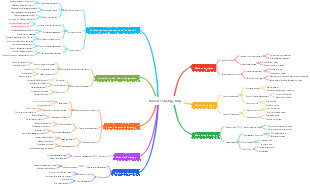
MindMap Gallery Corporate Strategy and Management
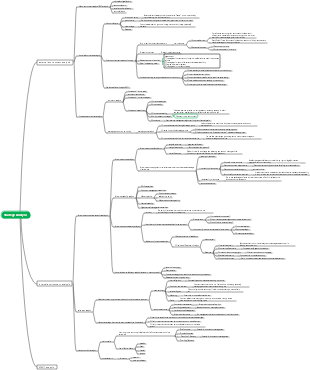
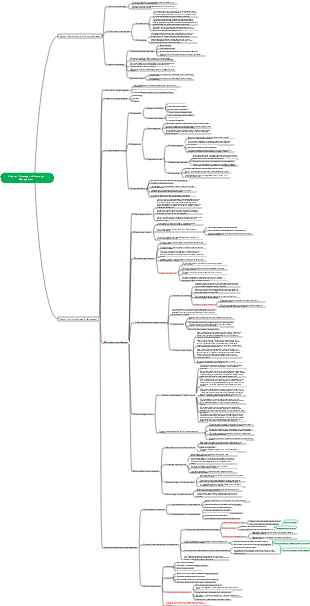
Corporate Governance Management, corporate strategy is a series of overall, long-term and programmatic plans and strategies formulated by an enterprise to achieve its long-term development goals.
Edited at 2024-02-12 17:03:31Avatar 3 centers on the Sully family, showcasing the internal rift caused by the sacrifice of their eldest son, and their alliance with other tribes on Pandora against the external conflict of the Ashbringers, who adhere to the philosophy of fire and are allied with humans. It explores the grand themes of family, faith, and survival.

This article discusses the Easter eggs and homages in Zootopia 2 that you may have discovered. The main content includes: character and archetype Easter eggs, cinematic universe crossover Easter eggs, animal ecology and behavior references, symbol and metaphor Easter eggs, social satire and brand allusions, and emotional storylines and sequel foreshadowing.
[Zootopia Character Relationship Chart] The idealistic rabbit police officer Judy and the cynical fox conman Nick form a charmingly contrasting duo, rising from street hustlers to become Zootopia police officers!
Avatar 3 centers on the Sully family, showcasing the internal rift caused by the sacrifice of their eldest son, and their alliance with other tribes on Pandora against the external conflict of the Ashbringers, who adhere to the philosophy of fire and are allied with humans. It explores the grand themes of family, faith, and survival.
This article discusses the Easter eggs and homages in Zootopia 2 that you may have discovered. The main content includes: character and archetype Easter eggs, cinematic universe crossover Easter eggs, animal ecology and behavior references, symbol and metaphor Easter eggs, social satire and brand allusions, and emotional storylines and sequel foreshadowing.
[Zootopia Character Relationship Chart] The idealistic rabbit police officer Judy and the cynical fox conman Nick form a charmingly contrasting duo, rising from street hustlers to become Zootopia police officers!
Corporate Strategy and Management
strategic management
connotation
To achieve the company's mission and strategic goals
Scientifically analyze the internal and external conditions of the enterprise
The dynamic management process of making strategic decisions, evaluating, selecting and implementing strategic plans, and controlling strategic performance
feature
Comprehensive
Involving all management departments and business units
high level
Must be driven and implemented by senior leadership
Dynamic
Adapt to environmental changes
Level (diversity)
Overall strategy (corporate level strategy)
Key: Select business areas (business portfolio) & resource allocation
Business Unit Strategy (Competitive Strategy)
Key: competition (external: for a specific business)
Functional strategy (functional level strategy)
Key: efficiency, collaboration (internal resource allocation)
The strategic level of a single-business enterprise: overall and business merged into one
process
Strategic Analysis
The starting point of strategic management: where is the enterprise?
content
external environment
Macro environment (PEST) Scale = buyer’s desire to buy and ability to buy
political law
Political factors (direct influence)
political stability
Government Action
Basic policies (industrial policy, taxation, import and export)
Influence of political interest groups (legislation, public opinion)
Legal factors (indirect effects)
Protect enterprises and combat unfair competition
protect consumers
Protect employees
public interest
economy
socioeconomic structure
Industrial structure
allocation structure
The level of economic development
GDP growth rate
tax levels, interest rates
inflation, balance of trade
Unemployment rate, government subsidies, credit extension
economic system
macroeconomic policy
Comprehensive national development strategy and industrial policy
National income distribution policy, price policy, material circulation policy
Other economic conditions
Wages
Price changes (product category, competitive price index)
social culture
population
geographical distribution, density
age, education level
social mobility
Social class
urbanization
consumer psychology
Lifestyle changes (affecting behavior → corporate decisions)
cultural tradition
values
Different consumption habits and values of different age groups form different consumption trends.
technology
Science and technology are primary productive forces
Industrial environment (meso environment)
Product Lifecycle
definition
It refers to the entire movement process of a product from preparing to enter the market to being eliminated from the market.
It is determined by the production cycle of demand and technology
market performance
Product technical features
sales/cost/profit
Competition/Operational Risks
strategic goals/strategic paths
Differences: demand structure, different characteristics, different industrial competition structures, profit margins
stage
Division: Inflection point of industry sales growth rate curve
criticize
The duration of each stage changes with the changes in the industry, and it is impossible to clearly divide the specific stages of the life cycle of the industry.
Industry growth doesn’t always follow an S-shape
Companies can influence growth curve shape through product innovation and repositioning
The competitive attributes of each stage of the life cycle also change with different industries.
Five Competencies (Five Forces)
five forces
potential entrant
threaten
Divide existing market share
Stimulate competition among existing businesses and reduce profits
barriers to entry
structural barriers (defense)
Economies of scale (switching costs)
Market Advantage
Control of critical resources/learning curve
Behavioral disorders (strategic disorders) (counterattack)
restricted entry pricing
Enter the opponent's territory
alternatives
Direct product substitution: depends on cost performance
Indirect product substitution (playing the same role): may replace, may also coexist in the long term
supplier
buyer
Bargaining power of suppliers and buyers
Concentration/size of business volume
Degree of product differentiation/degree of asset specificity
degree of vertical integration
information mastery
Notice
Industry Competitors (Existing Companies)
Number and strength of competitors
Industrial development is slow
Customer bargaining power (thinking that all goods are of the same quality)
There is overcapacity (underutilization)
Low barriers to entry, high barriers to exit
Asset specificity
exit cost
internal strategic connections
affective disorder
Government and Social Constraints
coping strategies
self-positioning
Use cost advantage or differentiation advantage to isolate five competitive forces
Concentration strategy: identifying market segments where competitiveness has less impact
Five Forces of Change
Establish long-term strategic alliances with buyers and reduce haggling
Seek entry blocking strategies to reduce threats from potential entrants
limitation
Static model, dynamic environment changes quickly
Profitability assumptions for nonprofits may be inaccurate
Based on ideal assumptions
By conducting a five forces analysis, a company can develop a corporate strategy to deal with the results of the analysis
Strategists can understand the entire industry
Underestimating the possibility of establishing long-term cooperative relationships between buyers and suppliers, and buyers and sellers
Insufficient consideration of the components of industrial competitiveness
The sixth element: interactive and complementary forces (used together)
Early stage of industrial development: Enterprises may consider controlling the supply of some complementary products
Mid- to late-stage development: Enterprises should help and promote the development of complementary industries (bundled operations)
Key Success Factor Analysis (KSF)
Definition: The skills and assets a company must possess to be profitable in a specific market
Varies with industry drivers and environment
Competitive environment (micro environment)
competitor analysis
future goals
current strategy
ability
core competencies
Growth ability
Quick response ability
ability to adapt to changes
Stamina
Hypothesis (evaluation)
Strategic Groups (Industry Substructure)
Definition: A group of companies in an industry that adopt the same or similar strategies in a certain strategic aspect, or have the same strategic characteristics.
The significance of strategic group analysis
compete
Helps understand competition among strategic groups
Helps understand the main focus of competition among enterprises within strategic groups
Helps understand barriers to movement between strategic groups
Use strategic groups to predict market changes or discover strategic opportunities
National Competitive Advantage (Diamond Model)
factors of production
1
primary
advanced
2
general factors of production
specialized factors of production
Requirements
The domestic market is the driving force for industrial development
Knowledgeable and discerning customers
Anticipatory demand (local customer demand is ahead of other countries)
Scale of demand (a large domestic market is beneficial to the competitiveness of the industry)
Related and supporting industries: whether they are internationally competitive (closely related to this industry)
Corporate strategy, corporate structure and industry competition
How to start, organize, and manage a company
How to deal with competitors in the same industry
internal environment
Enterprise resources and capabilities
resource
type
Tangible resources (scarcity can lead to advantages)
material resources
financial resources
intangible resources
Goodwill, corporate culture
Technical resources (advanced, original, exclusive)
human Resources
Advantage judgment
scarcity of resources
inimitability of resources
physics
Path-dependent (needs to be obtained through accumulation)
Causal Ambiguity Resources
Economically constrained resources (market constraints make resources impossible to imitate)
irreplaceability of resources
resource durability
ability
meaning
The ability of enterprises to allocate resources and play a role in production and competition
From the integration of enterprise resources
type
R & D capabilities
Production management capabilities
production process
production capacity
Inventory management
human resource Management
Quality Control
Marketing ability
Product competitiveness
market status
Profitability
Growth
sales activity ability
organize
performance
channel
Market decision-making ability: the leader’s ability to make decisions about the market
financial capability
To raise funds
Use and management
Organizational management capabilities
core competencies
critical test
Is it valuable to customers?
Does it have an advantage over competitors?
Is it difficult to copy
Identification method
Functional Analysis
Resource analysis
process system analysis
evaluate
Business self-evaluation
intra-industry comparison
Benchmark analysis
object
Activities that take up more funds
Activities that significantly improve relationships with customers
Activities that ultimately impact business results
type
Internal Benchmarking: Learning Comparisons Between Departments
Competitive Benchmarking: Benchmarking Against Competitors
process or activity baseline
Based on companies with similar core operations, but there is no direct competition between the two products. (Cross-industry analysis, aiming to find out the most outstanding aspects of the company)
General benchmark: based on enterprises with the same business functions (same industry, different markets)
customer benchmark
Cost drivers and activity-based costing
Gather information about competitors
Value chain (dynamic process)
Two types of activities
basic activities
Internal logistics, incoming goods logistics
Production and operation
External post-production, shipping logistics
Marketing
Serve
Support activities
infrastructure
human resource Management
technology development
Procurement management
Determination of value chain (principles)
have different economic properties
High potential impact on product differentiation
represents a large (or increasing) proportion of costs
Value chain analysis of enterprise resource capabilities
Identify key activities that support competitive advantage: internal individual activities
Identify the linkages between activities within the value chain: intra-firm linkages
Clarify the connections between various value activities within the value system: external connections of the enterprise (connections between upstream and downstream enterprises)
business portfolio
boston matrix
Two major indicators
Market growth rate (should be judged based on the overall market) = (current period - sales in the previous period) / previous period
Relative market share = share of the company/share of the largest competitor in the business
Four kinds of business
use
Enlightenment
One of the earliest combination analysis methods, it is widely used in comprehensive analysis of industrial environment and internal enterprises.
Integrate the company's different business operations into a matrix, simple and clear
Indicate the position, role and tasks of each business unit in the competition Enable enterprises to selectively concentrate on using limited resources
Each business unit can understand its position in the strategy
Can help infer the overall arrangement of competitors' related businesses (provided the opponent also uses this method)
limitations
Determining business growth rate and relative market share is difficult
It is too simple, with single indicators and rough divisions, and cannot fully reflect
ideal hypothesis
Market share is positively correlated with return on investment
Money is the main resource of a business: time and manpower are also important
There are many difficulties in practical application
universal matrix
principle
limitations
The performance of each indicator may be inconsistent in different companies and industries, and there may be bias in the evaluation.
The division is fine (less necessary in companies with more businesses), complex and difficult to operate.
SWOT analysis
tool
SWOT
boston matrix
universal matrix
Strategic Choice
Where will the company develop?
Optional strategy types
overall strategy
Task: Business selection and resource allocation (Involving the financial structure and organizational structure of the entire enterprise)
type
development strategy
integrated strategy
Extend vertically or horizontally along its business chain
intensive strategy
Strengthen the competitive position of existing products (existing markets)
market penetration
Existing products, existing markets, emphasis on a single product
Enhance marketing tools and increase product usage through various methods
Be applicable
Market Development
product development
Diversification
Diversification Strategy
stabilization strategy
contraction strategy
Main approaches to development strategy
M&A strategy
internal development
Corporate strategic alliance
business strategy
basic competitive strategy
Cost leadership strategy
Differentiation Strategy
centralization strategy
SME strategy
blue ocean strategy
functional strategy
marketing strategy
target market strategy
Market Segmentation: User Differences
Consumer market segmentation: Product features have consumer appeal
Geographic segmentation
population segmentation
Psychographic Segmentation: Lifestyle, Personality
behavioral segmentation
Time to buy
consumer pursuit
User status: not used; former user, potential, first time, regular user
Usage rate
brand loyalty
Purchasing stage and attitude
Industrial market segmentation: targeted products with clear profit purposes
User's industry category
User scale
User location
buying behavior factors
Target market selection
undifferentiated marketing
Target the entire market
One product, one price, one sales method
differentiated marketing
two or more markets
Different products, different marketing strategies, targeted
centralized marketing
One or a few submarkets of similar nature
Trying to capture a larger share of fewer sub-markets
other factors
Market similarity, product homogeneity, corporate strength, life cycle, competitor strategy
Market positioning
Seize or fill market gaps: avoid direct competition and enhance relative advantages
Coexist and confront competitors
replace competitors
Marketing mix (4Ps mix)
Product Strategy
product mix strategy
length, depth, relevance
Type: expansion, reduction, extension (downward, upward, two-way extension)
Brand and Trademark Strategy
product development strategy
Price Strategy
Pricing method
cost oriented
demand oriented
competition orientation
Strategy
psychological pricing strategies
mantissa pricing
Certificate Pricing
prestige pricing
Solicitation pricing
Product portfolio pricing strategy
Discounts and discount strategies
Geographical Spread Strategy
New product pricing
Penetration pricing: low price, increase market share
Skimming pricing: high prices
Satisfactory pricing strategy: Moderate
Distribution strategy
direct distribution
indirect distribution
exclusive distribution
selective distribution
intensive distribution
Promotional strategy
constitute
advertising promotion
Business promotion
public relations
personal selling
Strategy
push strategy
pull strategy
push-pull strategy
research and development
production process
purchase
human Resources
financial strategy
international business strategy
motivation
Main way
inglobal value chain
type
Corporate strategy for emerging markets
strategy selection process
make plan
Evaluate
suitability criteria
acceptability criteria
feasibility criteria
Choose a strategy
strategy implementation
Main problems solved
organizational structure
The role of organizational structure: distribution of authority and responsibility
Components
Division of labor
portrait
basic type
Long-term type: many management levels and narrow span of control, which is conducive to internal control, but is slow to respond to market changes
Flat type: few management levels, large scope, timely response to market changes, but management can easily get out of control
management issues
Centralization and decentralization
Information transfer
Number of middle managers
Coordination and motivation
Horizontal
basic structure
Entrepreneurial organizational structure: managers directly manage subordinates and make decisions, suitable for small organizations
functional organizational structure
Single business enterprise, division of labor according to functional specialization
Advantages: Concentrating departmental resources, conducive to cultivating experts, routine repetitive tasks, high efficiency, easy to control various departments
Disadvantages: Excessive segmentation may lead to coordination problems, difficulty in determining profit and loss, conflicting functions, and centralized control leading to slower response times.
Business unit system
Regional Business Unit
Brand/Product Division
Customer Segmentation or Market Segmentation Division
M-shaped enterprise organizational structure (multi-department structure, expressed as a company
The strategic business unit organizational structure SBU reduces the span of control of the headquarters and is suitable for diversified enterprises.
matrix organizational structure
H-shaped structure (holding enterprise group, business involving multiple aspects, global competition
International business enterprise organizational structure
International Department Structure (Manufacturing and Marketing Functions
Global regional distribution structure (multi-country localization strategy
Global product distribution structure (globalization strategy, small autonomy of subsidiary companies)
Transnational structure (transnational strategy (high degree of product diversification, regional decentralization
coordination mechanism
Adapt to each other and adjust on your own
direct command
Work process standardization
Standardization of work results
Standardization of skills
common belief
Integrate
relationship with strategy
Chandler: Organizational Structure Subordinates to Strategy Theory
The leading nature of strategy and the lagging nature of structure (slow change
It takes time to replace the old with the new
Managers resist
Enterprise development stages and structure
subtopic
type of organization strategy
company culture
type
Power-oriented: maintain absolute control over subordinates (family-owned businesses, newly established businesses
role-oriented
Pursue rationality and order, value compliance and loyalty responsibilities, and emphasize hierarchical status
State-owned enterprises, civil servants
Not suitable for turbulent environments
task oriented
Concerned about problem solving, the dominant idea is to achieve goals, matrix structure
Emerging industries, high technology
Suitable for turbulent environments
people oriented
The main purpose is to serve members and influence each other spiritually, rather than formal authority
Clubs, associations, professional groups, small consultancies
Culture and performance relationship
Ways for corporate culture to create value for companies
Simplified information processing
supplemented by formal controls
Promote cooperation and reduce bargaining costs
Culture can promote performance when strategy meets its requirements, but culture may have a negative impact on performance when the environment changes adversely.
Culture becomes the condition for maintaining the source of competitive advantage (creates value, is unique, is difficult to imitate
culture and strategic relationship
subtopic
strategic control
budget control
incremental budget
zero based budgeting
Performance evaluation and measurement
financial metrics
non-financial measures
ESG metrics
balanced scorecard
Four perspectives: finance, customer, internal process, innovation and learning
Statistical analysis and special reports
Statistical data is the theme, scientific, logical, and clearly structured.
digital technology
organizational structure impact
Transformation of organizational structure to platform
Build a fusion structure of traditional and digital
Taking the new organizational structure as the main model
Team structure
virtual structure (flattened
subtopic
Business model impact
Internet thinking
diversified operations
consumer participation
Impact on products
personalise
Intelligent
Connectivity (Internet of Everything)
Ecological
business process reengineering
Main tasks of strategic transformation
Build a digital organizational design and transform the business management model
Strengthen core technologies and lay a solid foundation for technology
Break down technology silos and build an enterprise digital ecosystem
Accelerate the construction of corporate digital culture
Utilize new technologies to improve network security levels
Pay attention to digital ethics and improve literacy
strategic innovation management
definition
To gain sustainable competitive advantage
According to changes in internal and external environments
Combined with the dynamic coordination principle among the three environmental strategic organizations
A systematic process for searching, selecting and implementing acquisition of new ideas
The importance of innovation
It is a vital ability for enterprises to adapt to the changing external environment and ensure their own survival and development.
The main source of sustainable competitive advantage for enterprises
It is the fundamental guarantee for enterprises to maintain competitive advantages.
type
Product Innovation
process innovation
Changes in the way products and services are produced and delivered
Positioning innovation
Achieve innovation by repositioning the perception of existing products and processes in specific user contexts
Paradigm innovation
Changes in the underlying mindset that impact an organization’s business
Different aspects of strategic innovation
novelty
Graduality
part
Breakthrough
comprehensive
New platforms and product families
level of innovation
components
Architecture
Timing (innovation life cycle)
Rheological stage (brewing)
Exploration, experimentation, coexistence of old and new technologies and rapid improvement of both
uncertain
flexible
transitional phase
Leading design
Product differentiation
Breakthrough innovation
mature stage
standardization
Integrate
Focus shifts to price and cost reduction
incremental innovation
situation
Build an innovative organization
Shared mission, leadership, willingness to innovate
appropriate organizational structure
balance between organic and mechanical patterns
key individual
Participation of all
effective teamwork
creative atmosphere
cross borders
Internal and external customer orientation
Main processes of innovation management
Risk Management
Components
Risk factors (promoting risk events to occur or increasing losses)
tangible
Intangible (moral, psychological factors
risk event
Accident (direct cause of loss)
loss
direct loss
Indirect losses (sometimes greater than direct losses
Risk Management
concept
Key Characteristics of Enterprise Risk Management
strategic
Holistic
professional
Duality (pure risk, opportunity risk)
Systematic
Risk Appetite and Tolerance
Target
overall company goals
information communication
laws and regulations
Improve operations
crisis management plan
type
external
political risk
Legal Risks and Compliance Risks
sociocultural risks
Triggered by corporate mergers and acquisitions
Caused by factors within the organization
technology risk
Technical Design
technology R & D
Technology application
market risk
strategic risk
Caused by the complexity and change of the internal and external environment, as well as the subject's limited cognitive and adaptive abilities to the environment
Lack of clear development strategy or inadequate implementation of strategy
Development strategy is too radical
Development strategies change frequently
basic concept
Definition of corporate strategy
Tradition=Goal Path
Modern = Approach: Bounded Rationality
Premeditated strategy Adaptive strategy (most of the company's strategies are a combination of implemented plans and emergencies)
Company mission (highly abstract and general)
Role: Clarify the fundamental nature and reason for existence of the enterprise organization
mission
Company purpose (a direct reflection of its fundamental nature and reason for existence)
for-profit organization
First and foremost: economic value
Secondary: social responsibility
Non-profit organizations
Company purpose (long-term strategic intention, the specific content is the company’s business scope)
Business philosophy (values (right and wrong), basic beliefs (attitudes), code of conduct)
Company goals
Corporate goals are the embodiment of the company's mission
Performance: completion deadline, quantification, specific indicators
Classification
financial target system
cash flow
Company trust
strategic goal system
Gain a market advantage so that overall costs are lower than those of competitors