MindMap Gallery Psychological Counseling Practical Skills Training Manual
Psychological Counseling Practical Skills Training Manual. The content in the book is designed to help psychological counselors master the practical psychological counseling skills more quickly. It is also for those who are confused by work or suffering from emotional problems such as marriage, parent-child education, personal growth, psychological pressure, and physical and mental health. Provide learning and help on practical psychology techniques to confused people.
Edited at 2024-04-10 17:48:31本テンプレートは、日本人に人気の海外リゾート地「ハワイ・オアフ島」を対象とした、5 日間の充実したモデル旅行プランを体系化したマインドマップです。初めてハワイを訪れる旅行者、リピーター、家族連れやカップルなど、多様なニーズに対応するため、旅行基本情報・持ち物チェックリスト・5 日間詳細スケジュール・オプションプラン・事前準備情報の 5 つの軸で構成されています。対象読者は日本からオアフ島へ旅行を計画中の 20〜50 代の旅行者であり、成果指標としては、情報の網羅性(渡航手続きから現地体験まで必要な項目が過不足なく含まれているか)、実用性(移動時間や費用、予約のタイミングなどの正確さ)、体験の充実度(自然・文化・アクティビティ・食事のバランス)を測定します。 ユーザーニーズ分析では、渡航準備・現地移動・体験プラン・安全情報の 4 領域を掘り下げます。渡航準備においては、ESTA 申請、飛行機の予約、為替、パスポートの有効期限、海外旅行保険など、事前に整えるべき情報が不足していると計画が難しくなります。求められる価値としては、渡航に必要な手続きの流れ、必要な持ち物リスト、季節別の服装アドバイス、現地で使えるアプリや連絡先などが考えられます。現地移動では、ワイキキ内の徒歩・バス移動、レンタカーの利用方法、空港からのアクセス、交通機関のルール(右側通行など)が主な関心事です。悩みとしては、バスの路線が分からない、レンタカーの予約手続きが不安、現地での移動時間の目安が分からないなどが挙げられます。体験プランでは、ビーチでのんびり、ダイヤモンドヘッドのハイキング、ノースショアでのサーフィン、ハレイワタウン散策、ポリネシアン・カルチャーセンターでの文化体験など、オアフ島の魅力を網羅したプランが求められます。悩みとしては、限られた日数で主要スポットを効率よく回れない、予算に合ったアクティビティの選び方が分からない、人気のレストランやショップの情報が不足しているなどが挙げられます。安全情報では、ハワイ特有の注意点(紫外線対策、海での安全ルール、治安情報)、緊急時の連絡先、現地でのトラブル対応方法など、旅行者が不安に感じる点を整理することが重要です。 5 日間のモデルコースでは、各日のテーマを明確に設定し、体験のバランスを考慮しています。1 日目は「到着日・ワイキキ慣らし」として、ホノルル国際空港に到着後、ワイキキのホテルにチェックインし、夕方からワイキキビーチでのんびりしたり、夜は地元料理を味わったりして、ハワイの雰囲気に慣れる行程です。2 日目は「自然体験&ショッピング」として、午前中にダイヤモンドヘッドのハイキングに挑戦し、午後はアラモアナセンターやワイキキでショッピングを楽しみ、夜はハワイアン・ルアウショーを鑑賞する行程です。3 日目は「歴史文化巡り」として、イオラニ宮殿やパールハーバー(真珠湾)を訪れてハワイの歴史に触れ、午後はダウンタウンホノルルで街歩きをし、夜はインターナショナルマーケットプレイスで食事や買い物を楽しむ行程です。4 日目は「北海岸&大自然体験」として、オプションでノースショアへ向かい、ハレイワタウンで散策したり、サーフィンを体験したり、美しいビーチでのんびり過ごす行程で、夜はワイキキに戻って食事を楽しみます。5 日目は「最終日・思い出作り」として、午前中にワイキキビーチでの最後の散策や、お土産を買いに街を巡り、午後は空港へ移動して帰国する行程です。各日には、おすすめの時間帯、混雑しにくいタイミング、予約が必要なアクティビティの情報などを付け加え、実際に旅行する際の参考になるよう工夫しています。 また、テンプレートには持ち物チェックリストも含まれており、パスポート・ESTA、海外旅行保険証書、現金・クレジットカード、日焼け止め・帽子・サングラス、歩きやすい靴、薬、充電器など、海外旅行に必要なアイテムをリストアップしています。さらに、事前準備情報として、ネット環境の確保、現地で使えるアプリ、緊急連絡先、季節別の服装アドバイスなども記載し、旅行者の不安を解消するようサポートします。 EdrawMind のマインドマップ機能を活用することで、ユーザーは自身の旅行スタイルに合わせて行程を追加・削除したり、好みのアクティビティをハイライトしたりすることができます。例えば、ゆっくりリゾートを楽しみたい方はショッピングやハイキングの時間を減らしてビーチでの時間を増やしたり、アクティブに過ごしたい方はノースショアでのサーフィンやダイビングを追加したりするなど、カスタマイズも自由自在です。このテンプレートは、オアフ島の旅行計画を立てる際の基盤として活用することを想定しており、主要な情報が一目で分かるよう整理されているため、初めてハワイを

本テンプレートは、古都・奈良の世界遺産、鹿とのふれあい、歴史的な雰囲気を存分に楽しむための 1 泊 2 日旅行プランを体系化したマインドマップです。修学旅行や短期文化旅行、週末の小旅行に人気の奈良を対象に、イメージ・種類・交通・宿泊の 4 つの基本軸を設け、2 日間の具体的な行程を時系列で整理しています。対象読者は大阪・京都在住の 20〜40 代の一人旅・カップル・家族連れ、初めて奈良を訪れる旅行者、世界遺産や日本文化に興味のある層であり、成果指標としては、行程の網羅性(主要スポットが過不足なく含まれているか)、実用性(移動時間や混雑情報の正確さ)、体験の充実度(鹿とのふれあい・文化体験の満足度)を測定します。 ユーザーニーズ分析では、行程・体験・交通・注意点の 4 領域を掘り下げます。行程においては、「東大寺」「春日大社」「奈良国立博物館」といった世界遺産の回り方、「奈良公園」での鹿とのふれあい、「奈良町」の古い町並み散策がユーザーの関心事となります。悩みとしては、限られた時間で主要スポットを効率よく回れない、鹿との接し方が分からない、徒歩移動の負担が心配などが挙げられます。求められる価値としては、時間帯別のおすすめルート、鹿と安全に接するためのマナー説明、無理のない徒歩移動のための休憩ポイント案内が考えられます。体験面では、鹿せんべいの購入場所や与え方、春日大社の灯篭や御朱印の魅力、奈良町のカフェや伝統工芸体験など、現地でしか味わえない体験情報が求められます。交通においては、奈良市内のバス路線や一日券の情報、主要スポット間の徒歩時間、雨天時の移動手段など、事前に知っておくべき情報が不足していると計画が難しくなります。注意点では、天候対策(夏の暑さや冬の寒さ)、スケジュールのゆとり作り、写真撮影のルールやマナー、ゴミの持ち帰りなど、旅行者が見落としがちな点を整理することが重要です。 行程の中でも、特に人気の高いスポットには詳細な情報を盛り込んでいます。「東大寺」は世界遺産に登録されており、奈良時代に建立された日本を代表する寺院で、世界最大級の木造建築物である大仏殿や、高さ約 15 メートルの盧舎那仏(奈良の大仏)が有名です。事前にコインロッカーに荷物を預けて身軽になってから訪れることで、ゆっくりと境内を散策できるほか、大仏殿の柱の穴をくぐると「厄除けになる」という言い伝えもあり、多くの観光客が体験しています。「奈良公園」は東大寺や春日大社を含む広大な公園で、約 1,300 頭の野生の鹿が自由に生息しており、鹿せんべいを使って鹿とふれあうことができます。ただし、鹿は野生動物であるため、エサの与え方や触れ方には注意が必要で、事前にルールを確認しておくことが推奨されます。「春日大社」は朱色の社殿と美しい灯篭が特徴的な世界遺産で、参道には 3,000 基を超える石灯篭が並び、神聖な雰囲気を醸し出しています。特に夜間にライトアップされた灯篭は幻想的で、写真撮影にも人気です。 1 泊 2 日のモデルコースでは、初日に東大寺・奈良公園・春日大社を巡り、夜は奈良町の古い町並みを散策して地元料理を味わう行程を提案しています。二日目には、若草山から奈良の街並みを一望した後、興福寺や奈良国立博物館を訪れ、奈良町で伝統工芸体験やカフェ巡りを楽しんでから帰路に就く流れとなっています。各スポットには、徒歩時間や混雑しにくい時間帯、おすすめの食事処などの情報を付け加え、実際に旅行する際の参考になるよう工夫しています。また、旅行の注意点として、スケジュールは体調に合わせて無理のないペースで調整すること、天候に合わせて水分補給や防寒・防暑対策を徹底すること、神社仏閣での写真撮影ルールを守ることなどを記載し、安全で快適な旅行をサポートします。 EdrawMind のマインドマップ機能を活用することで、ユーザーは自身の旅行スタイルに合わせて行程を追加・削除したり、好みのスポットをハイライトしたりすることができます。一人旅向けには静かなカフェ巡りを追加したり、家族連れ向けには鹿とのふれあい体験を充実させたりするなど、カスタマイズも自由自在です。このテンプレートは、奈良の旅行計画を立てる際の基盤として活用することを想定しており、主要な情報が一目で分かるよう整理されているため、初めて奈良を訪れる方でも安心して旅行を楽しむことができます。
本テンプレートは、東京から約90分でアクセス可能な温泉・富士山・美術館が融合したリゾート地「箱根」の週末旅行ガイドを体系化したマインドマップです。カップルや家族連れに人気の週末旅行先として、交通アクセス、観光スポット、名物料理の3軸で構成され、効率的な旅行計画と満足度の高い体験を実現することを目的としています。対象読者は東京在住の20〜40代のカップル・家族連れ、初めて箱根を訪れる旅行者、週末の小旅行を計画中の層であり、成果指標としては、情報の網羅性(必要な項目が過不足なく含まれているか)、実用性(実際の移動時間や料金の正確さ)、満足度(モデルプランの再現性)を測定します。 ユーザーニーズ分析では、交通アクセス、観光スポット、グルメの3領域を掘り下げます。交通アクセスにおいては、東京からの行き方(小田急ロマンスカー約85分・指定席、新宿→箱根湯本、普通電車約2時間・乗換2回)、箱根内の移動手段(登山電車・バス・ケーブルカー・ロープウェイ)、お得な周遊券(箱根フリーパス・2日券)の情報が不足していると計画が難しくなります。求められる価値としては、交通機関別の所要時間・料金・乗換回数を比較した表、周遊券の特典内容(主要観光施設の割引)と購入場所、移動手段ごとのメリット・デメリットが考えられます。観光スポットでは、「箱根ガラスの森美術館」「クモ箱根(早雲山駅)」「芦ノ湖の夕暮れ遊覧船」などが代表的です。悩みとしては、美術館や自然スポットが多すぎて選べない、夕暮れ時の遊覧船のベストタイミングが分からない、写真映えするスポットを知りたいなどが挙げられます。価値ある情報として、おすすめスポットの特徴と所要時間、夕暮れ時の撮影ポイント、カップル向け・家族向けの選別基準を提供します。名物料理では、「黒たまご(大涌谷)」「温泉豆腐」などが代表的です。悩みは、どこで何を食べれば良いか分からない、観光地価格に見合う価値があるか、アレルギーや食事制限への対応などです。求められる価値として、名物料理の特徴とおすすめ店舗、価格帯、食べるタイミング(例:黒たまごは大涌谷観光の合間に)を整理します。 カップルにおすすめスポットとして、「箱根ガラスの森美術館」はユネスコ世界遺産(※正確には箱根地域全体がジオパークに認定されていますが、イメージとして)の美しい庭園とガラス作品が魅力です。写真はイメージですが、実際の訪日客にも人気のスポットです。名物料理のセクションでは、「黒たまご」は大涌谷の火山活動を利用して茹でられた卵で、殻が黒くなるのが特徴です。伝統的な名物料理として、食べると寿命が延びると言われています。「温泉豆腐」も地元の温泉を利用した料理で、なめらかな食感が特徴です。これらの情報をマップ上で可視化し、移動ルートと組み合わせることで、無駄のない観光計画が立てられます。 成功するための具体施策としては、主要スポットを時系列で結んだ「1泊2日モデルコース」を提供する(例:1日目:新宿→箱根湯本→登山電車→強羅→大涌谷→芦ノ湖遊覧船→宿泊、2日目:箱根ガラスの森美術館→箱根湯本→帰京)、各スポットの「混雑予想時間帯」と「穴場時間帯」をデータで示す(例:芦ノ湖遊覧船は夕暮れ時が混雑するが、その分景色は絶景)、名物料理を食べられる店舗の「営業時間・定休日・予約可否」をリスト化する、の3点が有効です。よくある失敗とその回避策としては、移動手段の乗換えが複雑で迷ってしまうケースでは箱根フリーパスの活用と事前のルート確認を推奨すること、観光スポットの滞在時間を見誤って計画が詰まりすぎるケースでは余裕を持ったスケジューリングと優先順位付けをアドバイスすること、天候によって富士山が見えない場合の代替プラン(雨天でも楽しめる美術館や温泉施設)を用意しておくことが有効です。本テンプレートは、週末旅行ガイドのコンテンツを計画・評価する際の基盤として活用することを想定しています。
本テンプレートは、日本人に人気の海外リゾート地「ハワイ・オアフ島」を対象とした、5 日間の充実したモデル旅行プランを体系化したマインドマップです。初めてハワイを訪れる旅行者、リピーター、家族連れやカップルなど、多様なニーズに対応するため、旅行基本情報・持ち物チェックリスト・5 日間詳細スケジュール・オプションプラン・事前準備情報の 5 つの軸で構成されています。対象読者は日本からオアフ島へ旅行を計画中の 20〜50 代の旅行者であり、成果指標としては、情報の網羅性(渡航手続きから現地体験まで必要な項目が過不足なく含まれているか)、実用性(移動時間や費用、予約のタイミングなどの正確さ)、体験の充実度(自然・文化・アクティビティ・食事のバランス)を測定します。 ユーザーニーズ分析では、渡航準備・現地移動・体験プラン・安全情報の 4 領域を掘り下げます。渡航準備においては、ESTA 申請、飛行機の予約、為替、パスポートの有効期限、海外旅行保険など、事前に整えるべき情報が不足していると計画が難しくなります。求められる価値としては、渡航に必要な手続きの流れ、必要な持ち物リスト、季節別の服装アドバイス、現地で使えるアプリや連絡先などが考えられます。現地移動では、ワイキキ内の徒歩・バス移動、レンタカーの利用方法、空港からのアクセス、交通機関のルール(右側通行など)が主な関心事です。悩みとしては、バスの路線が分からない、レンタカーの予約手続きが不安、現地での移動時間の目安が分からないなどが挙げられます。体験プランでは、ビーチでのんびり、ダイヤモンドヘッドのハイキング、ノースショアでのサーフィン、ハレイワタウン散策、ポリネシアン・カルチャーセンターでの文化体験など、オアフ島の魅力を網羅したプランが求められます。悩みとしては、限られた日数で主要スポットを効率よく回れない、予算に合ったアクティビティの選び方が分からない、人気のレストランやショップの情報が不足しているなどが挙げられます。安全情報では、ハワイ特有の注意点(紫外線対策、海での安全ルール、治安情報)、緊急時の連絡先、現地でのトラブル対応方法など、旅行者が不安に感じる点を整理することが重要です。 5 日間のモデルコースでは、各日のテーマを明確に設定し、体験のバランスを考慮しています。1 日目は「到着日・ワイキキ慣らし」として、ホノルル国際空港に到着後、ワイキキのホテルにチェックインし、夕方からワイキキビーチでのんびりしたり、夜は地元料理を味わったりして、ハワイの雰囲気に慣れる行程です。2 日目は「自然体験&ショッピング」として、午前中にダイヤモンドヘッドのハイキングに挑戦し、午後はアラモアナセンターやワイキキでショッピングを楽しみ、夜はハワイアン・ルアウショーを鑑賞する行程です。3 日目は「歴史文化巡り」として、イオラニ宮殿やパールハーバー(真珠湾)を訪れてハワイの歴史に触れ、午後はダウンタウンホノルルで街歩きをし、夜はインターナショナルマーケットプレイスで食事や買い物を楽しむ行程です。4 日目は「北海岸&大自然体験」として、オプションでノースショアへ向かい、ハレイワタウンで散策したり、サーフィンを体験したり、美しいビーチでのんびり過ごす行程で、夜はワイキキに戻って食事を楽しみます。5 日目は「最終日・思い出作り」として、午前中にワイキキビーチでの最後の散策や、お土産を買いに街を巡り、午後は空港へ移動して帰国する行程です。各日には、おすすめの時間帯、混雑しにくいタイミング、予約が必要なアクティビティの情報などを付け加え、実際に旅行する際の参考になるよう工夫しています。 また、テンプレートには持ち物チェックリストも含まれており、パスポート・ESTA、海外旅行保険証書、現金・クレジットカード、日焼け止め・帽子・サングラス、歩きやすい靴、薬、充電器など、海外旅行に必要なアイテムをリストアップしています。さらに、事前準備情報として、ネット環境の確保、現地で使えるアプリ、緊急連絡先、季節別の服装アドバイスなども記載し、旅行者の不安を解消するようサポートします。 EdrawMind のマインドマップ機能を活用することで、ユーザーは自身の旅行スタイルに合わせて行程を追加・削除したり、好みのアクティビティをハイライトしたりすることができます。例えば、ゆっくりリゾートを楽しみたい方はショッピングやハイキングの時間を減らしてビーチでの時間を増やしたり、アクティブに過ごしたい方はノースショアでのサーフィンやダイビングを追加したりするなど、カスタマイズも自由自在です。このテンプレートは、オアフ島の旅行計画を立てる際の基盤として活用することを想定しており、主要な情報が一目で分かるよう整理されているため、初めてハワイを
本テンプレートは、古都・奈良の世界遺産、鹿とのふれあい、歴史的な雰囲気を存分に楽しむための 1 泊 2 日旅行プランを体系化したマインドマップです。修学旅行や短期文化旅行、週末の小旅行に人気の奈良を対象に、イメージ・種類・交通・宿泊の 4 つの基本軸を設け、2 日間の具体的な行程を時系列で整理しています。対象読者は大阪・京都在住の 20〜40 代の一人旅・カップル・家族連れ、初めて奈良を訪れる旅行者、世界遺産や日本文化に興味のある層であり、成果指標としては、行程の網羅性(主要スポットが過不足なく含まれているか)、実用性(移動時間や混雑情報の正確さ)、体験の充実度(鹿とのふれあい・文化体験の満足度)を測定します。 ユーザーニーズ分析では、行程・体験・交通・注意点の 4 領域を掘り下げます。行程においては、「東大寺」「春日大社」「奈良国立博物館」といった世界遺産の回り方、「奈良公園」での鹿とのふれあい、「奈良町」の古い町並み散策がユーザーの関心事となります。悩みとしては、限られた時間で主要スポットを効率よく回れない、鹿との接し方が分からない、徒歩移動の負担が心配などが挙げられます。求められる価値としては、時間帯別のおすすめルート、鹿と安全に接するためのマナー説明、無理のない徒歩移動のための休憩ポイント案内が考えられます。体験面では、鹿せんべいの購入場所や与え方、春日大社の灯篭や御朱印の魅力、奈良町のカフェや伝統工芸体験など、現地でしか味わえない体験情報が求められます。交通においては、奈良市内のバス路線や一日券の情報、主要スポット間の徒歩時間、雨天時の移動手段など、事前に知っておくべき情報が不足していると計画が難しくなります。注意点では、天候対策(夏の暑さや冬の寒さ)、スケジュールのゆとり作り、写真撮影のルールやマナー、ゴミの持ち帰りなど、旅行者が見落としがちな点を整理することが重要です。 行程の中でも、特に人気の高いスポットには詳細な情報を盛り込んでいます。「東大寺」は世界遺産に登録されており、奈良時代に建立された日本を代表する寺院で、世界最大級の木造建築物である大仏殿や、高さ約 15 メートルの盧舎那仏(奈良の大仏)が有名です。事前にコインロッカーに荷物を預けて身軽になってから訪れることで、ゆっくりと境内を散策できるほか、大仏殿の柱の穴をくぐると「厄除けになる」という言い伝えもあり、多くの観光客が体験しています。「奈良公園」は東大寺や春日大社を含む広大な公園で、約 1,300 頭の野生の鹿が自由に生息しており、鹿せんべいを使って鹿とふれあうことができます。ただし、鹿は野生動物であるため、エサの与え方や触れ方には注意が必要で、事前にルールを確認しておくことが推奨されます。「春日大社」は朱色の社殿と美しい灯篭が特徴的な世界遺産で、参道には 3,000 基を超える石灯篭が並び、神聖な雰囲気を醸し出しています。特に夜間にライトアップされた灯篭は幻想的で、写真撮影にも人気です。 1 泊 2 日のモデルコースでは、初日に東大寺・奈良公園・春日大社を巡り、夜は奈良町の古い町並みを散策して地元料理を味わう行程を提案しています。二日目には、若草山から奈良の街並みを一望した後、興福寺や奈良国立博物館を訪れ、奈良町で伝統工芸体験やカフェ巡りを楽しんでから帰路に就く流れとなっています。各スポットには、徒歩時間や混雑しにくい時間帯、おすすめの食事処などの情報を付け加え、実際に旅行する際の参考になるよう工夫しています。また、旅行の注意点として、スケジュールは体調に合わせて無理のないペースで調整すること、天候に合わせて水分補給や防寒・防暑対策を徹底すること、神社仏閣での写真撮影ルールを守ることなどを記載し、安全で快適な旅行をサポートします。 EdrawMind のマインドマップ機能を活用することで、ユーザーは自身の旅行スタイルに合わせて行程を追加・削除したり、好みのスポットをハイライトしたりすることができます。一人旅向けには静かなカフェ巡りを追加したり、家族連れ向けには鹿とのふれあい体験を充実させたりするなど、カスタマイズも自由自在です。このテンプレートは、奈良の旅行計画を立てる際の基盤として活用することを想定しており、主要な情報が一目で分かるよう整理されているため、初めて奈良を訪れる方でも安心して旅行を楽しむことができます。
本テンプレートは、東京から約90分でアクセス可能な温泉・富士山・美術館が融合したリゾート地「箱根」の週末旅行ガイドを体系化したマインドマップです。カップルや家族連れに人気の週末旅行先として、交通アクセス、観光スポット、名物料理の3軸で構成され、効率的な旅行計画と満足度の高い体験を実現することを目的としています。対象読者は東京在住の20〜40代のカップル・家族連れ、初めて箱根を訪れる旅行者、週末の小旅行を計画中の層であり、成果指標としては、情報の網羅性(必要な項目が過不足なく含まれているか)、実用性(実際の移動時間や料金の正確さ)、満足度(モデルプランの再現性)を測定します。 ユーザーニーズ分析では、交通アクセス、観光スポット、グルメの3領域を掘り下げます。交通アクセスにおいては、東京からの行き方(小田急ロマンスカー約85分・指定席、新宿→箱根湯本、普通電車約2時間・乗換2回)、箱根内の移動手段(登山電車・バス・ケーブルカー・ロープウェイ)、お得な周遊券(箱根フリーパス・2日券)の情報が不足していると計画が難しくなります。求められる価値としては、交通機関別の所要時間・料金・乗換回数を比較した表、周遊券の特典内容(主要観光施設の割引)と購入場所、移動手段ごとのメリット・デメリットが考えられます。観光スポットでは、「箱根ガラスの森美術館」「クモ箱根(早雲山駅)」「芦ノ湖の夕暮れ遊覧船」などが代表的です。悩みとしては、美術館や自然スポットが多すぎて選べない、夕暮れ時の遊覧船のベストタイミングが分からない、写真映えするスポットを知りたいなどが挙げられます。価値ある情報として、おすすめスポットの特徴と所要時間、夕暮れ時の撮影ポイント、カップル向け・家族向けの選別基準を提供します。名物料理では、「黒たまご(大涌谷)」「温泉豆腐」などが代表的です。悩みは、どこで何を食べれば良いか分からない、観光地価格に見合う価値があるか、アレルギーや食事制限への対応などです。求められる価値として、名物料理の特徴とおすすめ店舗、価格帯、食べるタイミング(例:黒たまごは大涌谷観光の合間に)を整理します。 カップルにおすすめスポットとして、「箱根ガラスの森美術館」はユネスコ世界遺産(※正確には箱根地域全体がジオパークに認定されていますが、イメージとして)の美しい庭園とガラス作品が魅力です。写真はイメージですが、実際の訪日客にも人気のスポットです。名物料理のセクションでは、「黒たまご」は大涌谷の火山活動を利用して茹でられた卵で、殻が黒くなるのが特徴です。伝統的な名物料理として、食べると寿命が延びると言われています。「温泉豆腐」も地元の温泉を利用した料理で、なめらかな食感が特徴です。これらの情報をマップ上で可視化し、移動ルートと組み合わせることで、無駄のない観光計画が立てられます。 成功するための具体施策としては、主要スポットを時系列で結んだ「1泊2日モデルコース」を提供する(例:1日目:新宿→箱根湯本→登山電車→強羅→大涌谷→芦ノ湖遊覧船→宿泊、2日目:箱根ガラスの森美術館→箱根湯本→帰京)、各スポットの「混雑予想時間帯」と「穴場時間帯」をデータで示す(例:芦ノ湖遊覧船は夕暮れ時が混雑するが、その分景色は絶景)、名物料理を食べられる店舗の「営業時間・定休日・予約可否」をリスト化する、の3点が有効です。よくある失敗とその回避策としては、移動手段の乗換えが複雑で迷ってしまうケースでは箱根フリーパスの活用と事前のルート確認を推奨すること、観光スポットの滞在時間を見誤って計画が詰まりすぎるケースでは余裕を持ったスケジューリングと優先順位付けをアドバイスすること、天候によって富士山が見えない場合の代替プラン(雨天でも楽しめる美術館や温泉施設)を用意しておくことが有効です。本テンプレートは、週末旅行ガイドのコンテンツを計画・評価する際の基盤として活用することを想定しています。
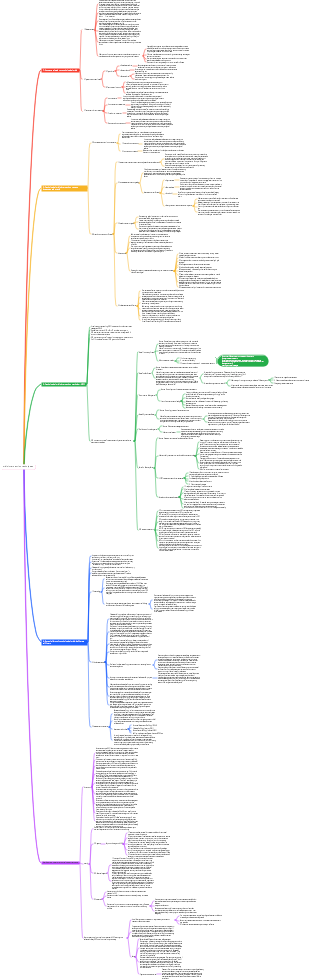
Psychological Counseling Practical Skills Training Manual
1. Overview of psychological counseling
What is psychological counseling
Listening is important
accept
technical work
Engage job seekers in problem solving
learn
Ease the psychology of job seekers
Help job seekers solve problems
An important support system for job seekers
comprehend
stand the test of time
The relationship between counselor and job seeker is like falling in love
Suitability is the best
Competencies required by psychological counselors
Empathy (Sympathy)
Insight (the ability to analyze the other party)
Awareness (the ability to analyze oneself)
communication skills
Scope of consultation
Mentally normal
mental health
Mentally unhealthy
psychological abnormality
Consultation Principles
1. Confidentiality
2. Objective and neutral
3. Help others to help themselves
4. Sincere trust
5. Don’t reject those who come, and don’t chase those who go.
6. Postponement of major decisions
Consultation steps
1. Pre-consultation assessment
Does it fall within the scope of psychological counseling?
Assess mental state
Available scales
Rogers' mental health assessment criteria
Open to experience together
Keep life full at all times
Trust your body’s feelings
Have a strong sense of freedom
highly creative
WHO basic health conditions
physical health
Good social adaptability
2. Find the problem
6W1H
3. Determine goals
significance
guide the direction, control the process
Enhance confidence of both parties
Evaluate the effect
Target classification
short term goals
Self-understanding and change
Medium-term Goal
Establish a correct outlook on life and lifestyle
Long-term goals
Self-actualization and self-growth
How to determine goals
find out the problem
main problem
Extended questions
method
First priority, second priority
Easy first, then difficult
in principle
Mainly job seekers
Quantifiable
feasible
positive
acceptable
psychological properties
Unification at multiple levels
4. Agree on the plan
Varies from person to person
Use of consultation schedule
Determine the number of consultations
Short distance 6~8 times
11 times in medium distance
15 times long term
5. Consultation process
1. Exposure of job seekers and initial guidance
2. Personality develops
3. Start taking action after development
4. Feedback after action
5. Return to understand and develop the ability to distinguish
6. Purposeful action
6. Effect evaluation
Single consultation assessment
One course of treatment evaluation
Post-Evaluation
Consulting techniques
Listening technology, empathy technology, face-to-face technology, meditation technology, cognitive therapy, music therapy, drama therapy, breathing therapy, behavioral therapy, encouragement technology, retrospective technology, narrative therapy, image dialogue, box garden therapy, relaxation therapy, Morita therapy , timeline therapy, metacognitive intervention, emotional expression technology, focus therapy technology, deep communication technology, hypnotherapy technology, systematic desensitization technology, rational emotion therapy, role-playing technology, psychoanalytic therapy, cognitive comprehension therapy, embodiment Technology, subconscious treatment technology, client-centered therapy, inner safe island technology, house tree man painting therapy, family system arrangement technology, Gestalt therapy, therapeutic spiritual energy massage, ESP parapsychology physical and mental healing, etc.
2. The growth process of consultants
Common confusion
cliche
Sincere words
keep secrets
The person involved has poor understanding
The explanation is difficult to justify
The problem is complex
A good teacher is too good to be in a high place.
The curative effect is not obvious, and I feel grateful without resistance.
growing phase
1. Use knowledge to help others
2. Use technology to help people seeking help
3. Expert stage
means of growth
1. Start with self-experience exploration
2. Participate in psychological supervision training regularly
3. Follow 1~2 teachers
4. Integration in practice
5. Accept yourself and others
Growth report
Reference book "Opportunities always come to those who are willing to work hard"
3. Consulting and communication technology
1. Establish a good consulting relationship
2. Listening technology
3. Ask about technology
direct statement
differential questioning
problem solving questions
4. Reaction technology
5. Repeat techniques
6. Explain technology
7. Concrete technology
8. Face-to-face technology
9. Empty chair technology
catharsis
self-talk
conversational style
4. Psychological stress counseling
psychological stress
what is
Inner conflicts caused by external stimuli and the intense emotional experiences associated with them
Emotion is a flowing energy
source
biological
Spirituality
social environment
How to identify
Self-rating anxiety scale (SAS)
Self-rating depression scale (SDS)
SCL-90
Painting projection technology
treatment cycle
1. Physiological reaction
2. Need
3. Find a way
4. Evaluate options
5. Action
6. Check satisfaction
7. fade away
8. Neutral
treatment techniques
pros and cons analysis techniques
pressure relief methods
1. Confession method
2. Interpersonal support method
3. Exercise therapy
4. Live in the moment
5. Tao Yi’s sentiment
6. Keep a diary
7. Projection painting
8. Instructor guidance
9. Muscle relaxation, breathing relaxation, meditation and stress reduction, hypnotherapy, etc.
10. Time management
11. 60-second fast optimistic decompression method
laugh out loud
Shout as much as you want
Relax
Meditation Conversation Techniques
5. Interpersonal relationship consultation
question
The relationship with oneself is the foundation
projection
agree
Manifestations of problems in interpersonal relationships
Lonely
lonely
conflict
lack of boundaries
psychological disorder
shy
self-abasement
suspicious
conceited
jealous
Hostile
fear
indifferent
how to face
Understand the 5 stages of interpersonal development
1. Selection stage
2. Try to explore the stage
3. Strengthening stage
4. Fusion stage
5. Contract stage
Understand the principles of human relations
Principle of sincerity
compatibility principle
proactive principle
principle of mutual benefit
principle of equality
sensory training
1. Feel the distance of people around you
2. Who are you most willing to tell secrets to?
Case analysis
1. Initial consultation reception
2. Understand the problem
3. Establish goals
4. Emotional processing
5. End of consultation
6. Student study consultation
Factors affecting learning
family
society
personal psychology
Problems that arise
1. High stress, lack of sleep, and excessive anxiety
2. Lack of interest in the course or teacher
3. Overly excited before class and unable to pay attention
4. The influence of external things such as interpersonal relationships is too great
5. Adolescent anxiety and emotional attachment conflicts
how to respond
Parents should cultivate their children’s study habits
Psychoanalysis
brain space allocation technology
relaxation techniques
inner vows
conversation technology
empty chair technology
interpersonal conversation
cognitive therapy
behavioral training
Hypnosis soothes brain stimulation
Secret Box
intention therapy
case analysis
1. Analysis case
2. Find the problem
3. Consultation objectives
4. Specific methods
5. Effect feedback
7. Psychosexual consultation
sexual development
Oral period (0~18 months)
Anal desire period (18 months to 3 years old)
Sexual bud stage (3~6 years old)
Incubation period (6~11 years old)
Genital (after 11 years old)
sexual problems
child sex issues
Masturbation
Leg clamping
adult sexual issues
Sexual inferiority and frustration
sexual abuse
sexual allergy
Mysophobia
sexual anxiety
sexual aversion
sexual fear
sexual manipulation
Pain during intercourse
Oedipus, father
virginity complex
sexual surrender
fetish
frigidity
remarriage sexual adjustment disorder
incest
How to solve
Learn about sexual relationships
sexual attraction
ambivalence
sex relationship advice
sex and love combined
Understand each other’s needs
Appreciate each other
Come on weekends. .
Best at 6 or 7 a.m.
Psychologist's Sexual Attitudes
objective and neutral
children sex education
Face it correctly, don’t escape
premarital sex counseling
8. Psychological counseling for broken love
Types of lovelorn
rational type
sublimation type
Self-blaming type
Locking type
Destructive
Cut off type
The complete journey of broken love
1. Shocked denial
2. Angry and angry
3. Bargaining
4. Melancholy and depression
5. Accept reality
6. New love
Reasons for falling out of love
investment gap
rash intentions
Not withstanding the wind and rain
Conditional selection
Improper portal
Not blessed
indiscreet sexual relations
One party is overly dependent on
Can't see the future
Problems caused by falling out of love
painful emotions
sad
self-abasement
anger
despair
feeling of lovelorn
shame
sense of nothingness
sense of denial
lovelorn treatment
primary therapy
stimulation therapy
crime enhancement law
comparative therapy
advanced therapy
thought interruption
situational distancing
Even rain and dew exposure method
Reform your mind
Other technologies
rubber band therapy
timed meditation
9. Premarital psychological counseling
Why Premarital Counseling
Improve the quality of marriage and love life
Repair psychological trauma before marriage
Understand the causes of conflict in marriage
Fearful
Worrying type
Safe
detached type
What to consult?
premarital assessment
The difference between like and love
Marital motivation assessment
love triangle
close
promise
Passion
Self-awareness and mutual understanding
communication style assessment
Pre-marriage preparation assessment
post-marriage plans
Premarital Counseling Questions Checklist
Psychological preparation before marriage
Premarital fear counseling
Frequently asked questions about premarital counseling for remarriage
nostalgia
Compare
jealous
revenge
Selfish
alert
10. Marriage relationship consultation
what is marriage
It's a combination of two families
Conflict type A - husband takes charge of wife
B Complementary Type - The husband controls the wife and is controlled
C complementary type - husband is managed by wife
D alienation type - the husband is controlled and the wife is controlled
Men's Views on Marriage
Home is the starting point for career development
Women's Views on Marriage
Home is the end of career development
family function
economic function
sexual function
fertility
educate
emotional exchange
Leisure
stages of marriage development
1. Before marriage
2. First marriage
3. Pregnancy, childbirth and children
4. Separation of children
5. Later stage
marriage problems
conflict factors
Unsatisfied with demand
Different values
stay away from yourself
sexual disharmony
moral conflict
common problem
Extramarital affair (75.8%)
reason
Female: indistinguishable, becoming everything, for love
Male: easy to distinguish, for sex
type
one night stand type
Playboy type
Contractual
Repair type
Emotional
revengeful
exit type
Personality incompatibility (6.5%)
Mental infidelity (4.3%)
Asexual (3.1%)
Mediocre (2.7%)
Violence (2.6%)
Cultural differences (2.2%)
Relationship between mother-in-law and daughter-in-law (1.9%)
Others (0.9%)
treatment approach
affair healing
Save your marriage in the face of problems
Third parties should not live in fantasy
Marriage Crisis Resolved
Responsible for oneself
positive action
starting from myself
Laugh at life
growing up
love is the foundation
Learn to commit
Three keywords: love, dependence and understanding
11. Parent-child relationship consultation
Expressions of parent-child relationship
Wrong: Raising children to provide for old age
Correct: Children only come to this world through us
eight stages of life development
1. Infancy (0~1.5 years old): trust and distrust
2. Childhood (1.5~3 years old): autonomy and shyness
3. School age (3~5 years old): initiative and guilt
4. Diligence and low self-esteem at school age (5~12 years old)
5. Adolescence (12-18 years old): self-identity and role confusion
6. Intimacy and loneliness in adulthood (18-25 years old)
7. Adulthood (25~65 years old): reproduction and stagnation
8. Old age (65~): perfection and disappointment
what do children need
like
respect
privacy
example
Principle of life
Play together
Introduce partners
Develop good habits
Achievable goal
Problems that arise
child lies
avoid punishment
cannot be satisfied
Different from bragging because of low self-esteem
attachment relationship
Type A-avoidant
Type B - safety type
Type C-ambivalent and anxious type
solution
Relationship maintenance
Respect children’s privacy
Make children independent
Pay attention to psychological cues
communicate nonviolently
1. Observe
2. Feeling
3. Need
4. Request
intervention and counseling
Original family looking for reasons
become autonomous
Add new attachments
The teacher-student relationship can make up for the parent-child relationship
Intervention in unsafe relationships
Provide guidance to caregivers
1. Establish family culture and rules
2. Repair the trauma of the original family
3. Avoid role confusion
4. Recognize that children have independent needs
5. Sense of responsibility and stability
6. Establish a respectful and harmonious environment
Cultivate good habits in children
Develop self-control ability to delay gratification
Criticism is enough
Psychological consultation for children with hyperactivity and tics
ADHD without tics, tics with hyperactivity
psychotherapy
behavioral therapy
Develop time management habits
positive reinforcement
Temporary isolation law
extinction method
Strengthen attention training
Hypnosis
House Tree Man
Accompanying and guiding
12. Family therapy techniques
family therapy development
1. Personal treatment that excludes family
2. Recognize the importance of family
3. Satya
Common types
husband and wife relationship
Parent-child relationship
Spouse and parent relationship
Career and life relationship
Six arguments for family therapy
1. Self-service
2. Covering a wide range of areas
3. Cross-cultural
4. Content
5. Theoretical alternation
6. The relativity of family constraints
Treatment objects and principles
Me and my family behind me
three principles
1. Treatment for the entire family
2. Family systems are the real problem
3. Let everyone understand the family structure, improve and integrate family functions
Five stages of treatment
1. Contact stage
2. Find problems
3. Encourage families to understand problems
4. Establish new rules
5. Effect evaluation
treatment techniques
1. Family sculpture
2. Lifeline technology
3. Reconnect with parents
4. Resolve differences and conflicts
5. Deal with past trauma
6. Know who I am
Precautions
neutral
overall
Flexible and proactive
Collaborate with other professions
optimism
Focus on relationships
Provide samples
Avoid: Family wishes to resolve and non-psychological issues
Satya's basic beliefs
Family is a system
satisfy each other's needs
influenced by self-esteem
Equilibrium: open and elastic
If one person has a problem, the whole team will have a problem
Families may treat illness as the norm
Case
13. System power arrangement
source
love sequence
theory
About help
insatiable love
country nation
About harmony and perfection
happiness
About the meaning of life
About disease
anger
panic about love
privacy intimacy
scope
law
law of balance
Law of isolation
priority rule
complement rule
common problem
members who died young
feeling of taking over
special destiny
Disruption of parent-child relationship
A special balance of gain and loss
balance between men and women
Technical practices
Requirements for the client
1. There is a matter to be dealt with
2. Explain the important events of the two generations
3. Arrange representatives intuitively
4. Don’t be deliberate, relax
5. The client takes the place of the representative to experience the experience
Members to be arranged
child
parents and brothers
grandparents
great grandparents
Ex-wife, husband, etc.
People who have an important influence on the family
Precautions
Do not listen to his words but watch his actions
Do part of the treatment each time
Respect key people and the system itself
Consultants must have a key position
The purpose is to enhance the capabilities of the parties
Emotions are neither good nor bad
Respect everyone's decision
People who give up themselves will need external satisfaction
Love is the driving force of all actions
Parental relationship has nothing to do with children
The parties were better off when they left than when they arrived.
scope
family
personal
enterprise
organizational system arrangement
14. Career planning consultation
significance
1. Understand yourself
2. Development goals
3. Adapt to society
4. Realize value
Steps
1. Determine ambitions
2. Self-assessment
3. SWOT analysis
4. Career choice direction
5. Career route selection
6. Set career goals
7. Develop an action plan
8. Evaluation feedback
Various occupational test scales
15. Enterprise EAP
EAP concept
Employee Psychological Assistance Program
Purpose
Primary Prevention: Eliminating the Source of Causing Problems
Secondary prevention: training and education to improve stress tolerance
Tertiary prevention: psychological problem consultation and counseling
Differences from psychological counseling
Different purposes: focusing on enterprise development
Different objects: including the organization itself
Content varies: Psychological and behavioral problems of employees at work and at home
Different forms: mainly personal negotiation and group assistance
The time is different: the enterprise pays the bill, short-term consultation
process
Research
Promotion
Education and training
Advisory
effect evaluation
case analysis