MindMap Gallery second language acquisition research
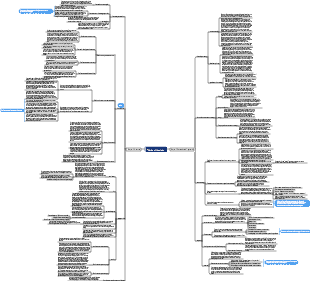
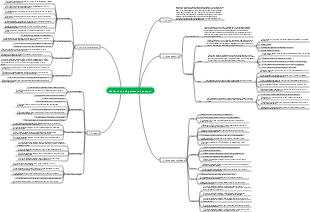
Based on the knowledge points in Chapters 1 and 2 of "Research on Second Language Acquisition" edited by Wang Jianqin, the content marked in red boxes needs to be paid attention to, and the content filled in red needs to be remembered. There will be updates in the future, if you like it you can follow me!
Edited at 2024-04-11 21:37:26本テンプレートは、日本人に人気の海外リゾート地「ハワイ・オアフ島」を対象とした、5 日間の充実したモデル旅行プランを体系化したマインドマップです。初めてハワイを訪れる旅行者、リピーター、家族連れやカップルなど、多様なニーズに対応するため、旅行基本情報・持ち物チェックリスト・5 日間詳細スケジュール・オプションプラン・事前準備情報の 5 つの軸で構成されています。対象読者は日本からオアフ島へ旅行を計画中の 20〜50 代の旅行者であり、成果指標としては、情報の網羅性(渡航手続きから現地体験まで必要な項目が過不足なく含まれているか)、実用性(移動時間や費用、予約のタイミングなどの正確さ)、体験の充実度(自然・文化・アクティビティ・食事のバランス)を測定します。 ユーザーニーズ分析では、渡航準備・現地移動・体験プラン・安全情報の 4 領域を掘り下げます。渡航準備においては、ESTA 申請、飛行機の予約、為替、パスポートの有効期限、海外旅行保険など、事前に整えるべき情報が不足していると計画が難しくなります。求められる価値としては、渡航に必要な手続きの流れ、必要な持ち物リスト、季節別の服装アドバイス、現地で使えるアプリや連絡先などが考えられます。現地移動では、ワイキキ内の徒歩・バス移動、レンタカーの利用方法、空港からのアクセス、交通機関のルール(右側通行など)が主な関心事です。悩みとしては、バスの路線が分からない、レンタカーの予約手続きが不安、現地での移動時間の目安が分からないなどが挙げられます。体験プランでは、ビーチでのんびり、ダイヤモンドヘッドのハイキング、ノースショアでのサーフィン、ハレイワタウン散策、ポリネシアン・カルチャーセンターでの文化体験など、オアフ島の魅力を網羅したプランが求められます。悩みとしては、限られた日数で主要スポットを効率よく回れない、予算に合ったアクティビティの選び方が分からない、人気のレストランやショップの情報が不足しているなどが挙げられます。安全情報では、ハワイ特有の注意点(紫外線対策、海での安全ルール、治安情報)、緊急時の連絡先、現地でのトラブル対応方法など、旅行者が不安に感じる点を整理することが重要です。 5 日間のモデルコースでは、各日のテーマを明確に設定し、体験のバランスを考慮しています。1 日目は「到着日・ワイキキ慣らし」として、ホノルル国際空港に到着後、ワイキキのホテルにチェックインし、夕方からワイキキビーチでのんびりしたり、夜は地元料理を味わったりして、ハワイの雰囲気に慣れる行程です。2 日目は「自然体験&ショッピング」として、午前中にダイヤモンドヘッドのハイキングに挑戦し、午後はアラモアナセンターやワイキキでショッピングを楽しみ、夜はハワイアン・ルアウショーを鑑賞する行程です。3 日目は「歴史文化巡り」として、イオラニ宮殿やパールハーバー(真珠湾)を訪れてハワイの歴史に触れ、午後はダウンタウンホノルルで街歩きをし、夜はインターナショナルマーケットプレイスで食事や買い物を楽しむ行程です。4 日目は「北海岸&大自然体験」として、オプションでノースショアへ向かい、ハレイワタウンで散策したり、サーフィンを体験したり、美しいビーチでのんびり過ごす行程で、夜はワイキキに戻って食事を楽しみます。5 日目は「最終日・思い出作り」として、午前中にワイキキビーチでの最後の散策や、お土産を買いに街を巡り、午後は空港へ移動して帰国する行程です。各日には、おすすめの時間帯、混雑しにくいタイミング、予約が必要なアクティビティの情報などを付け加え、実際に旅行する際の参考になるよう工夫しています。 また、テンプレートには持ち物チェックリストも含まれており、パスポート・ESTA、海外旅行保険証書、現金・クレジットカード、日焼け止め・帽子・サングラス、歩きやすい靴、薬、充電器など、海外旅行に必要なアイテムをリストアップしています。さらに、事前準備情報として、ネット環境の確保、現地で使えるアプリ、緊急連絡先、季節別の服装アドバイスなども記載し、旅行者の不安を解消するようサポートします。 EdrawMind のマインドマップ機能を活用することで、ユーザーは自身の旅行スタイルに合わせて行程を追加・削除したり、好みのアクティビティをハイライトしたりすることができます。例えば、ゆっくりリゾートを楽しみたい方はショッピングやハイキングの時間を減らしてビーチでの時間を増やしたり、アクティブに過ごしたい方はノースショアでのサーフィンやダイビングを追加したりするなど、カスタマイズも自由自在です。このテンプレートは、オアフ島の旅行計画を立てる際の基盤として活用することを想定しており、主要な情報が一目で分かるよう整理されているため、初めてハワイを

本テンプレートは、古都・奈良の世界遺産、鹿とのふれあい、歴史的な雰囲気を存分に楽しむための 1 泊 2 日旅行プランを体系化したマインドマップです。修学旅行や短期文化旅行、週末の小旅行に人気の奈良を対象に、イメージ・種類・交通・宿泊の 4 つの基本軸を設け、2 日間の具体的な行程を時系列で整理しています。対象読者は大阪・京都在住の 20〜40 代の一人旅・カップル・家族連れ、初めて奈良を訪れる旅行者、世界遺産や日本文化に興味のある層であり、成果指標としては、行程の網羅性(主要スポットが過不足なく含まれているか)、実用性(移動時間や混雑情報の正確さ)、体験の充実度(鹿とのふれあい・文化体験の満足度)を測定します。 ユーザーニーズ分析では、行程・体験・交通・注意点の 4 領域を掘り下げます。行程においては、「東大寺」「春日大社」「奈良国立博物館」といった世界遺産の回り方、「奈良公園」での鹿とのふれあい、「奈良町」の古い町並み散策がユーザーの関心事となります。悩みとしては、限られた時間で主要スポットを効率よく回れない、鹿との接し方が分からない、徒歩移動の負担が心配などが挙げられます。求められる価値としては、時間帯別のおすすめルート、鹿と安全に接するためのマナー説明、無理のない徒歩移動のための休憩ポイント案内が考えられます。体験面では、鹿せんべいの購入場所や与え方、春日大社の灯篭や御朱印の魅力、奈良町のカフェや伝統工芸体験など、現地でしか味わえない体験情報が求められます。交通においては、奈良市内のバス路線や一日券の情報、主要スポット間の徒歩時間、雨天時の移動手段など、事前に知っておくべき情報が不足していると計画が難しくなります。注意点では、天候対策(夏の暑さや冬の寒さ)、スケジュールのゆとり作り、写真撮影のルールやマナー、ゴミの持ち帰りなど、旅行者が見落としがちな点を整理することが重要です。 行程の中でも、特に人気の高いスポットには詳細な情報を盛り込んでいます。「東大寺」は世界遺産に登録されており、奈良時代に建立された日本を代表する寺院で、世界最大級の木造建築物である大仏殿や、高さ約 15 メートルの盧舎那仏(奈良の大仏)が有名です。事前にコインロッカーに荷物を預けて身軽になってから訪れることで、ゆっくりと境内を散策できるほか、大仏殿の柱の穴をくぐると「厄除けになる」という言い伝えもあり、多くの観光客が体験しています。「奈良公園」は東大寺や春日大社を含む広大な公園で、約 1,300 頭の野生の鹿が自由に生息しており、鹿せんべいを使って鹿とふれあうことができます。ただし、鹿は野生動物であるため、エサの与え方や触れ方には注意が必要で、事前にルールを確認しておくことが推奨されます。「春日大社」は朱色の社殿と美しい灯篭が特徴的な世界遺産で、参道には 3,000 基を超える石灯篭が並び、神聖な雰囲気を醸し出しています。特に夜間にライトアップされた灯篭は幻想的で、写真撮影にも人気です。 1 泊 2 日のモデルコースでは、初日に東大寺・奈良公園・春日大社を巡り、夜は奈良町の古い町並みを散策して地元料理を味わう行程を提案しています。二日目には、若草山から奈良の街並みを一望した後、興福寺や奈良国立博物館を訪れ、奈良町で伝統工芸体験やカフェ巡りを楽しんでから帰路に就く流れとなっています。各スポットには、徒歩時間や混雑しにくい時間帯、おすすめの食事処などの情報を付け加え、実際に旅行する際の参考になるよう工夫しています。また、旅行の注意点として、スケジュールは体調に合わせて無理のないペースで調整すること、天候に合わせて水分補給や防寒・防暑対策を徹底すること、神社仏閣での写真撮影ルールを守ることなどを記載し、安全で快適な旅行をサポートします。 EdrawMind のマインドマップ機能を活用することで、ユーザーは自身の旅行スタイルに合わせて行程を追加・削除したり、好みのスポットをハイライトしたりすることができます。一人旅向けには静かなカフェ巡りを追加したり、家族連れ向けには鹿とのふれあい体験を充実させたりするなど、カスタマイズも自由自在です。このテンプレートは、奈良の旅行計画を立てる際の基盤として活用することを想定しており、主要な情報が一目で分かるよう整理されているため、初めて奈良を訪れる方でも安心して旅行を楽しむことができます。
本テンプレートは、東京から約90分でアクセス可能な温泉・富士山・美術館が融合したリゾート地「箱根」の週末旅行ガイドを体系化したマインドマップです。カップルや家族連れに人気の週末旅行先として、交通アクセス、観光スポット、名物料理の3軸で構成され、効率的な旅行計画と満足度の高い体験を実現することを目的としています。対象読者は東京在住の20〜40代のカップル・家族連れ、初めて箱根を訪れる旅行者、週末の小旅行を計画中の層であり、成果指標としては、情報の網羅性(必要な項目が過不足なく含まれているか)、実用性(実際の移動時間や料金の正確さ)、満足度(モデルプランの再現性)を測定します。 ユーザーニーズ分析では、交通アクセス、観光スポット、グルメの3領域を掘り下げます。交通アクセスにおいては、東京からの行き方(小田急ロマンスカー約85分・指定席、新宿→箱根湯本、普通電車約2時間・乗換2回)、箱根内の移動手段(登山電車・バス・ケーブルカー・ロープウェイ)、お得な周遊券(箱根フリーパス・2日券)の情報が不足していると計画が難しくなります。求められる価値としては、交通機関別の所要時間・料金・乗換回数を比較した表、周遊券の特典内容(主要観光施設の割引)と購入場所、移動手段ごとのメリット・デメリットが考えられます。観光スポットでは、「箱根ガラスの森美術館」「クモ箱根(早雲山駅)」「芦ノ湖の夕暮れ遊覧船」などが代表的です。悩みとしては、美術館や自然スポットが多すぎて選べない、夕暮れ時の遊覧船のベストタイミングが分からない、写真映えするスポットを知りたいなどが挙げられます。価値ある情報として、おすすめスポットの特徴と所要時間、夕暮れ時の撮影ポイント、カップル向け・家族向けの選別基準を提供します。名物料理では、「黒たまご(大涌谷)」「温泉豆腐」などが代表的です。悩みは、どこで何を食べれば良いか分からない、観光地価格に見合う価値があるか、アレルギーや食事制限への対応などです。求められる価値として、名物料理の特徴とおすすめ店舗、価格帯、食べるタイミング(例:黒たまごは大涌谷観光の合間に)を整理します。 カップルにおすすめスポットとして、「箱根ガラスの森美術館」はユネスコ世界遺産(※正確には箱根地域全体がジオパークに認定されていますが、イメージとして)の美しい庭園とガラス作品が魅力です。写真はイメージですが、実際の訪日客にも人気のスポットです。名物料理のセクションでは、「黒たまご」は大涌谷の火山活動を利用して茹でられた卵で、殻が黒くなるのが特徴です。伝統的な名物料理として、食べると寿命が延びると言われています。「温泉豆腐」も地元の温泉を利用した料理で、なめらかな食感が特徴です。これらの情報をマップ上で可視化し、移動ルートと組み合わせることで、無駄のない観光計画が立てられます。 成功するための具体施策としては、主要スポットを時系列で結んだ「1泊2日モデルコース」を提供する(例:1日目:新宿→箱根湯本→登山電車→強羅→大涌谷→芦ノ湖遊覧船→宿泊、2日目:箱根ガラスの森美術館→箱根湯本→帰京)、各スポットの「混雑予想時間帯」と「穴場時間帯」をデータで示す(例:芦ノ湖遊覧船は夕暮れ時が混雑するが、その分景色は絶景)、名物料理を食べられる店舗の「営業時間・定休日・予約可否」をリスト化する、の3点が有効です。よくある失敗とその回避策としては、移動手段の乗換えが複雑で迷ってしまうケースでは箱根フリーパスの活用と事前のルート確認を推奨すること、観光スポットの滞在時間を見誤って計画が詰まりすぎるケースでは余裕を持ったスケジューリングと優先順位付けをアドバイスすること、天候によって富士山が見えない場合の代替プラン(雨天でも楽しめる美術館や温泉施設)を用意しておくことが有効です。本テンプレートは、週末旅行ガイドのコンテンツを計画・評価する際の基盤として活用することを想定しています。
本テンプレートは、日本人に人気の海外リゾート地「ハワイ・オアフ島」を対象とした、5 日間の充実したモデル旅行プランを体系化したマインドマップです。初めてハワイを訪れる旅行者、リピーター、家族連れやカップルなど、多様なニーズに対応するため、旅行基本情報・持ち物チェックリスト・5 日間詳細スケジュール・オプションプラン・事前準備情報の 5 つの軸で構成されています。対象読者は日本からオアフ島へ旅行を計画中の 20〜50 代の旅行者であり、成果指標としては、情報の網羅性(渡航手続きから現地体験まで必要な項目が過不足なく含まれているか)、実用性(移動時間や費用、予約のタイミングなどの正確さ)、体験の充実度(自然・文化・アクティビティ・食事のバランス)を測定します。 ユーザーニーズ分析では、渡航準備・現地移動・体験プラン・安全情報の 4 領域を掘り下げます。渡航準備においては、ESTA 申請、飛行機の予約、為替、パスポートの有効期限、海外旅行保険など、事前に整えるべき情報が不足していると計画が難しくなります。求められる価値としては、渡航に必要な手続きの流れ、必要な持ち物リスト、季節別の服装アドバイス、現地で使えるアプリや連絡先などが考えられます。現地移動では、ワイキキ内の徒歩・バス移動、レンタカーの利用方法、空港からのアクセス、交通機関のルール(右側通行など)が主な関心事です。悩みとしては、バスの路線が分からない、レンタカーの予約手続きが不安、現地での移動時間の目安が分からないなどが挙げられます。体験プランでは、ビーチでのんびり、ダイヤモンドヘッドのハイキング、ノースショアでのサーフィン、ハレイワタウン散策、ポリネシアン・カルチャーセンターでの文化体験など、オアフ島の魅力を網羅したプランが求められます。悩みとしては、限られた日数で主要スポットを効率よく回れない、予算に合ったアクティビティの選び方が分からない、人気のレストランやショップの情報が不足しているなどが挙げられます。安全情報では、ハワイ特有の注意点(紫外線対策、海での安全ルール、治安情報)、緊急時の連絡先、現地でのトラブル対応方法など、旅行者が不安に感じる点を整理することが重要です。 5 日間のモデルコースでは、各日のテーマを明確に設定し、体験のバランスを考慮しています。1 日目は「到着日・ワイキキ慣らし」として、ホノルル国際空港に到着後、ワイキキのホテルにチェックインし、夕方からワイキキビーチでのんびりしたり、夜は地元料理を味わったりして、ハワイの雰囲気に慣れる行程です。2 日目は「自然体験&ショッピング」として、午前中にダイヤモンドヘッドのハイキングに挑戦し、午後はアラモアナセンターやワイキキでショッピングを楽しみ、夜はハワイアン・ルアウショーを鑑賞する行程です。3 日目は「歴史文化巡り」として、イオラニ宮殿やパールハーバー(真珠湾)を訪れてハワイの歴史に触れ、午後はダウンタウンホノルルで街歩きをし、夜はインターナショナルマーケットプレイスで食事や買い物を楽しむ行程です。4 日目は「北海岸&大自然体験」として、オプションでノースショアへ向かい、ハレイワタウンで散策したり、サーフィンを体験したり、美しいビーチでのんびり過ごす行程で、夜はワイキキに戻って食事を楽しみます。5 日目は「最終日・思い出作り」として、午前中にワイキキビーチでの最後の散策や、お土産を買いに街を巡り、午後は空港へ移動して帰国する行程です。各日には、おすすめの時間帯、混雑しにくいタイミング、予約が必要なアクティビティの情報などを付け加え、実際に旅行する際の参考になるよう工夫しています。 また、テンプレートには持ち物チェックリストも含まれており、パスポート・ESTA、海外旅行保険証書、現金・クレジットカード、日焼け止め・帽子・サングラス、歩きやすい靴、薬、充電器など、海外旅行に必要なアイテムをリストアップしています。さらに、事前準備情報として、ネット環境の確保、現地で使えるアプリ、緊急連絡先、季節別の服装アドバイスなども記載し、旅行者の不安を解消するようサポートします。 EdrawMind のマインドマップ機能を活用することで、ユーザーは自身の旅行スタイルに合わせて行程を追加・削除したり、好みのアクティビティをハイライトしたりすることができます。例えば、ゆっくりリゾートを楽しみたい方はショッピングやハイキングの時間を減らしてビーチでの時間を増やしたり、アクティブに過ごしたい方はノースショアでのサーフィンやダイビングを追加したりするなど、カスタマイズも自由自在です。このテンプレートは、オアフ島の旅行計画を立てる際の基盤として活用することを想定しており、主要な情報が一目で分かるよう整理されているため、初めてハワイを
本テンプレートは、古都・奈良の世界遺産、鹿とのふれあい、歴史的な雰囲気を存分に楽しむための 1 泊 2 日旅行プランを体系化したマインドマップです。修学旅行や短期文化旅行、週末の小旅行に人気の奈良を対象に、イメージ・種類・交通・宿泊の 4 つの基本軸を設け、2 日間の具体的な行程を時系列で整理しています。対象読者は大阪・京都在住の 20〜40 代の一人旅・カップル・家族連れ、初めて奈良を訪れる旅行者、世界遺産や日本文化に興味のある層であり、成果指標としては、行程の網羅性(主要スポットが過不足なく含まれているか)、実用性(移動時間や混雑情報の正確さ)、体験の充実度(鹿とのふれあい・文化体験の満足度)を測定します。 ユーザーニーズ分析では、行程・体験・交通・注意点の 4 領域を掘り下げます。行程においては、「東大寺」「春日大社」「奈良国立博物館」といった世界遺産の回り方、「奈良公園」での鹿とのふれあい、「奈良町」の古い町並み散策がユーザーの関心事となります。悩みとしては、限られた時間で主要スポットを効率よく回れない、鹿との接し方が分からない、徒歩移動の負担が心配などが挙げられます。求められる価値としては、時間帯別のおすすめルート、鹿と安全に接するためのマナー説明、無理のない徒歩移動のための休憩ポイント案内が考えられます。体験面では、鹿せんべいの購入場所や与え方、春日大社の灯篭や御朱印の魅力、奈良町のカフェや伝統工芸体験など、現地でしか味わえない体験情報が求められます。交通においては、奈良市内のバス路線や一日券の情報、主要スポット間の徒歩時間、雨天時の移動手段など、事前に知っておくべき情報が不足していると計画が難しくなります。注意点では、天候対策(夏の暑さや冬の寒さ)、スケジュールのゆとり作り、写真撮影のルールやマナー、ゴミの持ち帰りなど、旅行者が見落としがちな点を整理することが重要です。 行程の中でも、特に人気の高いスポットには詳細な情報を盛り込んでいます。「東大寺」は世界遺産に登録されており、奈良時代に建立された日本を代表する寺院で、世界最大級の木造建築物である大仏殿や、高さ約 15 メートルの盧舎那仏(奈良の大仏)が有名です。事前にコインロッカーに荷物を預けて身軽になってから訪れることで、ゆっくりと境内を散策できるほか、大仏殿の柱の穴をくぐると「厄除けになる」という言い伝えもあり、多くの観光客が体験しています。「奈良公園」は東大寺や春日大社を含む広大な公園で、約 1,300 頭の野生の鹿が自由に生息しており、鹿せんべいを使って鹿とふれあうことができます。ただし、鹿は野生動物であるため、エサの与え方や触れ方には注意が必要で、事前にルールを確認しておくことが推奨されます。「春日大社」は朱色の社殿と美しい灯篭が特徴的な世界遺産で、参道には 3,000 基を超える石灯篭が並び、神聖な雰囲気を醸し出しています。特に夜間にライトアップされた灯篭は幻想的で、写真撮影にも人気です。 1 泊 2 日のモデルコースでは、初日に東大寺・奈良公園・春日大社を巡り、夜は奈良町の古い町並みを散策して地元料理を味わう行程を提案しています。二日目には、若草山から奈良の街並みを一望した後、興福寺や奈良国立博物館を訪れ、奈良町で伝統工芸体験やカフェ巡りを楽しんでから帰路に就く流れとなっています。各スポットには、徒歩時間や混雑しにくい時間帯、おすすめの食事処などの情報を付け加え、実際に旅行する際の参考になるよう工夫しています。また、旅行の注意点として、スケジュールは体調に合わせて無理のないペースで調整すること、天候に合わせて水分補給や防寒・防暑対策を徹底すること、神社仏閣での写真撮影ルールを守ることなどを記載し、安全で快適な旅行をサポートします。 EdrawMind のマインドマップ機能を活用することで、ユーザーは自身の旅行スタイルに合わせて行程を追加・削除したり、好みのスポットをハイライトしたりすることができます。一人旅向けには静かなカフェ巡りを追加したり、家族連れ向けには鹿とのふれあい体験を充実させたりするなど、カスタマイズも自由自在です。このテンプレートは、奈良の旅行計画を立てる際の基盤として活用することを想定しており、主要な情報が一目で分かるよう整理されているため、初めて奈良を訪れる方でも安心して旅行を楽しむことができます。
本テンプレートは、東京から約90分でアクセス可能な温泉・富士山・美術館が融合したリゾート地「箱根」の週末旅行ガイドを体系化したマインドマップです。カップルや家族連れに人気の週末旅行先として、交通アクセス、観光スポット、名物料理の3軸で構成され、効率的な旅行計画と満足度の高い体験を実現することを目的としています。対象読者は東京在住の20〜40代のカップル・家族連れ、初めて箱根を訪れる旅行者、週末の小旅行を計画中の層であり、成果指標としては、情報の網羅性(必要な項目が過不足なく含まれているか)、実用性(実際の移動時間や料金の正確さ)、満足度(モデルプランの再現性)を測定します。 ユーザーニーズ分析では、交通アクセス、観光スポット、グルメの3領域を掘り下げます。交通アクセスにおいては、東京からの行き方(小田急ロマンスカー約85分・指定席、新宿→箱根湯本、普通電車約2時間・乗換2回)、箱根内の移動手段(登山電車・バス・ケーブルカー・ロープウェイ)、お得な周遊券(箱根フリーパス・2日券)の情報が不足していると計画が難しくなります。求められる価値としては、交通機関別の所要時間・料金・乗換回数を比較した表、周遊券の特典内容(主要観光施設の割引)と購入場所、移動手段ごとのメリット・デメリットが考えられます。観光スポットでは、「箱根ガラスの森美術館」「クモ箱根(早雲山駅)」「芦ノ湖の夕暮れ遊覧船」などが代表的です。悩みとしては、美術館や自然スポットが多すぎて選べない、夕暮れ時の遊覧船のベストタイミングが分からない、写真映えするスポットを知りたいなどが挙げられます。価値ある情報として、おすすめスポットの特徴と所要時間、夕暮れ時の撮影ポイント、カップル向け・家族向けの選別基準を提供します。名物料理では、「黒たまご(大涌谷)」「温泉豆腐」などが代表的です。悩みは、どこで何を食べれば良いか分からない、観光地価格に見合う価値があるか、アレルギーや食事制限への対応などです。求められる価値として、名物料理の特徴とおすすめ店舗、価格帯、食べるタイミング(例:黒たまごは大涌谷観光の合間に)を整理します。 カップルにおすすめスポットとして、「箱根ガラスの森美術館」はユネスコ世界遺産(※正確には箱根地域全体がジオパークに認定されていますが、イメージとして)の美しい庭園とガラス作品が魅力です。写真はイメージですが、実際の訪日客にも人気のスポットです。名物料理のセクションでは、「黒たまご」は大涌谷の火山活動を利用して茹でられた卵で、殻が黒くなるのが特徴です。伝統的な名物料理として、食べると寿命が延びると言われています。「温泉豆腐」も地元の温泉を利用した料理で、なめらかな食感が特徴です。これらの情報をマップ上で可視化し、移動ルートと組み合わせることで、無駄のない観光計画が立てられます。 成功するための具体施策としては、主要スポットを時系列で結んだ「1泊2日モデルコース」を提供する(例:1日目:新宿→箱根湯本→登山電車→強羅→大涌谷→芦ノ湖遊覧船→宿泊、2日目:箱根ガラスの森美術館→箱根湯本→帰京)、各スポットの「混雑予想時間帯」と「穴場時間帯」をデータで示す(例:芦ノ湖遊覧船は夕暮れ時が混雑するが、その分景色は絶景)、名物料理を食べられる店舗の「営業時間・定休日・予約可否」をリスト化する、の3点が有効です。よくある失敗とその回避策としては、移動手段の乗換えが複雑で迷ってしまうケースでは箱根フリーパスの活用と事前のルート確認を推奨すること、観光スポットの滞在時間を見誤って計画が詰まりすぎるケースでは余裕を持ったスケジューリングと優先順位付けをアドバイスすること、天候によって富士山が見えない場合の代替プラン(雨天でも楽しめる美術館や温泉施設)を用意しておくことが有効です。本テンプレートは、週末旅行ガイドのコンテンツを計画・評価する際の基盤として活用することを想定しています。
second language acquisition research
Chapter 2 Comparative Analysis and Bias Analysis
Section 1 Comparative Analysis
Background generated by comparative analysis
In 1945, Charles Fries "Teaching and Learning English as a Foreign Language" and Robert Lado "Cross-Cultural Linguistics", the basic assumption of comparative analysis did not come out of thin air, but was based on the behavioral psychology and structural linguistics of the time. on (theoretical basis)
Basic content of comparative analysis
The content of the comparison is mainly the language system of the learner's mother tongue and the target language, and there are many comparisons of pronunciation and grammar.
The "strong theory" emphasizes the predictive function of contrastive analysis and believes that mother tongue interference is the main reason, or even the only reason, for difficulties and errors in second language acquisition.
The "weakness theory" focuses on the analysis of post-event errors and explains the causes of errors through comparison. This is the basic point of the "weakness theory" of comparative analysis.
Banathy, Trager, and Waddle once pointed out very clearly that the task of linguists is to identify these differences, the task of textbook writers is to write teaching materials based on the description of these differences, and the task of foreign language teachers is to focus on these differences. In teaching, the task of the learner is to learn these differences.
Steps and difficulty levels of comparative analysis
Description: Detailed description of the learner’s mother tongue and target language systems.
Choice: Combining biases to identify language items that cause learning difficulties for learners
Comparison: Conduct detailed analysis and comparison of the selected language projects to find out the commonalities and differences
Prediction: On the basis of comparison, predict where learners may make mistakes in the learning process.
Comparative analysis of the theoretical assumptions about the classification of difficulty levels: the size of the difference corresponds to different acquisition difficulties. The greater the difference, the greater the difficulty, and vice versa.
Limitations of comparative analysis
The psychological foundation of contrastive analysis is behaviorist psychology, and its core idea of "stimulus-response" theory has been fiercely attacked and criticized by Chomsky.
Structural linguistics does not find a solution to the problem of comparative analysis
It is illogical for comparative analysis to equate the "difference" between the two language systems with the "difficulty" of language acquisition.
Types of bias in comparative analysis
Errors caused by interference from the mother tongue, which is considered to be the main or only type of error by comparative analysis
Type bias in first language development, which also exists in first language acquisition
Type confusion errors refer to errors that cannot be classified into the first category or the second category.
Special types of biases refer to those biases that do not reflect the characteristics of the first language and are not found in first language acquisition.
A reappraisal of comparative analysis
Language transfer is not an all-or-nothing phenomenon, and it is unrealistic to deny mother tongue transfer.
What we want to explore is when and under what conditions the mother tongue affects second language acquisition.
Language transfer is not a simple behavioral process, but a mental process in which someone actively participates.
Learners' language errors are caused by many reasons, and mother tongue interference is only one of them.
Language transfer is more likely to occur when the two languages are relatively similar.
The first language is part of the learning strategy. When learners do not have enough knowledge of the second language, they will use the knowledge of the first language to understand the second language to achieve communication purposes.
Section 2 Error Analysis
The background of bias analysis
Corder1967 "The Significance of Learner Language Errors"
Language teachers can understand the extent to which learners have mastered the target language through errors.
Researchers can see through biases how second language is acquired
Learners can verify their correct understanding of second language rules through errors
Specific steps for specific analysis
gather information
Collection method
Horizontal corpus collection is a consensus corpus collection method. This collection method is highly efficient, but the corpus cannot reflect the learner's acquisition process. Longitudinal corpus collection is to collect corpus through case studies. It usually follows some people or one person over a relatively long period of time and collects data at regular intervals.
Collection scope
The collection scope is divided into three types: large scale, specific scale, and individual cases according to size.
Factors affecting bias
When collecting learners' language errors, we must consider the learner's native language background, whether the learner's errors are spoken or written, whether they occur in free conversation or letters, the theme and content of the painting, etc. In addition, it also includes the subject’s language level, language acquisition environment, learning experience, etc.
Discrimination bias
The first is the standard issue of bias, the second is the issue of identifying errors and mistakes, and the third is the issue of identifying implicit bias and explicit bias.
descriptive error
Classification of surface features: describing and classifying learners’ errors according to purpose and category
Classification of surface strategies: describe and classify learners' errors according to the causes of their errors, including "omission", "addition", "analogy" and "wrong order"
Presystematic bias: A bias that occurs when learners are not aware of the specific rules of the target language. The learners are disorganized and do not know why they chose this specific rule form.
Systematic bias: Learners can discover some specific rules, but these rules are often wrong, and learners cannot correct incorrectly used rules.
Post-systematic bias: The learner understands the correct rules but makes errors when applying them
interpretation bias
Richard divides errors into three categories: "interference errors" are mainly caused by interference from the mother tongue; "intralingual errors" are only excessive use of purposes and rules, also called over-generalization; "developmental errors" are only due to limited language knowledge. So a wrong assumption is made
Schachter and Celce-Murcia divided errors into "transfer errors" and "intralingual errors", which are later summarized by scholars as "interlingual errors" and "intralingual errors". The former occurs between two languages. During the period, it is caused by the interference of the learner's mother tongue on the target language. The latter occurs between the purpose and the internal language, due to incomplete grasp of the purpose and rules or induction errors.
Ellis summarized the research on bias explanation
A large number of errors are intralingual errors rather than interlingual errors.
Beginner learners make more interlingual errors than intermediate and advanced learners, and intermediate and advanced learners make more intralingual errors than interlingual errors.
The amount of intralingual errors and interlingual errors depends on the task. For example, there will be more interlingual errors in translation than in free writing.
Interlingual errors occur more frequently in pronunciation and vocabulary than in grammar. There are also some items in grammar teaching that are more prone to interlingual errors.
Adults are more likely to make interlingual errors than children
There is not only one source of errors. An error may be caused by intralingual errors and interlingual errors at the same time.
evaluation bias
Which type of bias problem is more serious?
As an evaluator, from the perspective of the target language, it can be divided into native speakers and non-native speakers. Do they evaluate biases the same way?
Assessment criteria questions
Bias analysis research
Lu Jianji published "Interlanguage Theory and Analysis of Phonetic Errors in Foreigners Learning Chinese" in 1984, "Analysis of Word Errors in Foreigners Learning Chinese" in 1987, and "Grammar of Foreigners Learning Chinese" in 1994. Error Analysis", and in 1993 he published "Pragmatic Errors in Foreigners Learning Chinese" together with Lu Wenhua
Judging from the error analysis research in my country in the past ten years, research can be divided into five fields: pronunciation, grammar, words, discourse, and Chinese characters. In the study of phonetic errors, the research objects include two categories: one is the error analysis of Chinese phonetic elements, and the other is the analysis of Chinese intonation errors. There are relatively few analyzes of word errors. Existing research mainly analyzes Chinese learners' vocabulary acquisition errors from the perspective of word formation and language contrast. Grammatical errors are the focus of research by domestic scholars. One is to discover patterns through detailed descriptions of learners' grammatical publication types, and the other is to analyze the sources of grammatical errors from different angles. There is the least research on discourse errors, and discourse cohesion and discourse coherence are the main areas of discourse analysis research. Research on errors in Chinese characters can be divided into research on error types and cognitive strategies in writing Chinese characters and research on cognitive strategies of Chinese characters.
The significance and limitations of bias analysis
Error analysis is the first research method to focus on the learner's language system. It does not explore the learner's native language system or the rules of the purpose and system itself, but explores the rules of the second language learner's language system.
Bias analysis provided strong evidence for the debate between the psychology school and behaviorism theory in the 1970s.
Error analysis proposes a set of systematic procedures and methods for describing and analyzing language errors of second language learners, laying the foundation for the development of error analysis.
significance
Error analysis only examines the learner's errors and ignores the correct parts of the learner's language system, resulting in an incomplete understanding of the learner's second language acquisition process.
Judging from the current error analysis research, there are few longitudinal studies, and most of them are horizontal research and static analysis. It is difficult to see the errors that learners make at different stages, and it is impossible to understand the full picture of the learner’s acquisition process.
Research has found that learners will adopt avoidance strategies for language items they find difficult. Since error analysis focuses on errors, it is impossible to collect the usage of language items that are avoided.
There are still problems in the five steps of bias analysis
limitations
Chapter 1 Overview of Second Language Acquisition Research
Section 1 Basic Concepts in Second Language Acquisition Research
"Mother language" and "Target language"
The mother tongue usually refers to the language used by the learner’s race and community, so it is also called the “native language”. Under normal circumstances, the mother tongue is usually the first language that children are exposed to and acquired after birth. Therefore, the mother tongue is often called the "first language"
The target language is also called the "target language" and is generally the language that the learner is learning. This language can refer to the mother tongue or first language he is learning, or it can refer to the second language, third language or even fourth language he is learning. It emphasizes any language that the learner is learning and has nothing to do with the learner's language acquisition environment.
"First language" and "Second language"
First language: usually the learner’s mother tongue or native language. Although sometimes, the learner's first language is not his mother tongue or native language. However, most learners’ mother tongue is their first language. In addition, when we talk about the concept of "first language", we usually refer to the temporal sequence of language acquisition. Therefore, the first language refers to the language that children first come into contact with and acquire in their early years.
Second language: It is relative to any other language other than the first language acquired by the learner. This means that a second language naturally includes a third, fourth or more other languages, if that happens. It should be pointed out that the concept of second language emphasizes the sequence of language acquisition and has nothing to do with the environment of language acquisition.
We believe that from a racial perspective, regardless of whether overseas Chinese children acquire Chinese first or later, its basic nature is still their mother tongue. The nature of their mother tongue should not be changed by the order in which they were acquired. However, for overseas Chinese who do not speak Chinese, their Chinese acquisition process does have certain characteristics of second language acquisition.
"Acquisition" and "Learning"
Acquisition: An "informal" language acquisition similar to the interaction method of children's native language. Most children acquire their mother tongue in this way. "Implicit learning" usually refers to the acquisition of language knowledge through unconscious or "subconscious" means in a natural state. What is acquired through acquisition is "tacit language knowledge", which is described by picking up a language.
Learning: refers to "formal" language rule learning, that is, acquiring a second language through classroom teaching. Most adult second language learners acquire their second language this way. "Explicit learning" generally refers to the acquisition of language knowledge through rule learning in a "conscious" state. What is acquired through learning methods is "explicit language knowledge", which is described by knowing about a language
No-interface view: the two types of knowledge are independent of each other, and "explicit knowledge" obtained through learning cannot be converted into "tacit knowledge"
"Second language acquisition" and "foreign language acquisition"
Second language acquisition: refers to learners learning the target language in the target language country. The target language learned by learners is a recognized communication tool in the target language country, and of course it is also a tool used by learners to communicate. The language learned by the learner is not used as a social tool for the whole group in the home country, and the language learned by the learner is mainly learned in the classroom.
The distinction between language acquisition environments mainly involves two factors
One is whether the language is spoken in the country where it was acquired
The second is whether you have classroom learning experience
"Natural second language acquisition" and "guided second language acquisition"
From the perspective of acquisition methods, the difference between the two lies in whether the second language is acquired through communication or through teaching guidance; from the perspective of the acquisition environment, the difference between the two lies in whether the second language is acquired through communication or through teaching guidance. Does it take place in a natural social environment or in a classroom teaching environment?
"Naturally occurring acquisition" means that learners focus on communication rather than language form during the natural acquisition process, so it is an inadvertent or subconscious learning; "guided acquisition" refers to learning The experience of learners learning a second language under the guidance of teaching mainly focuses on certain aspects of the language system, such as pronunciation, vocabulary, grammar and other items.
If we divide it from the perspective of psycholinguistics, it seems that natural acquisition is subconscious, and acquisition with teaching guidance is conscious.
According to common understanding, in a natural social environment, implicit language knowledge is acquired through communication, while in a guided classroom teaching environment, learners acquire explicit language knowledge.
"Language ability" and "language expression"
Linguistic expression refers to the use of inherent grammar by both parties in communication during the process of understanding and generating language. In other words, language ability is knowledge about language, and language expression is knowledge about language use. Language ability is composed of the mental representation of the internal and legal rules of both parties in communication.
Section 2 The disciplinary nature of second language acquisition research
Second language acquisition research and linguistics
As far as the research object is concerned, what they focus on is the structure and laws of the language system itself. Although second language acquisition researchers also pay attention to the study of the laws of the native language system itself, they are more concerned about the "learner language system"
The so-called "learner's language system" refers to the language produced by learners in the process of purpose and acquisition. The learner's language is systematic, which is different from the learner's native language system and the learner's purpose and system. This difference is reflected in the pronunciation, vocabulary, grammar and other levels that learners express in the second language.
Linguists and second language acquisition researchers have different research purposes
Second language acquisition researchers focus on how to use principles and parameter theories to explain the rules of language acquisition by second language learners. Some scholars believe that linguists are producers of theories, and second language acquisition research is the consumers of linguistic theories. In fact, linguists have the tasks of linguists, and second language acquisition researchers have the tasks of second language acquisition researchers. The research purposes of the two are different.
Linguists and second language acquisition researchers also differ in their approaches to analyzing and interpreting learners' language systems
Second language acquisition research is an independent discipline closely related to linguistics but different from linguistics research. Second language acquisition research and linguistics have a symbiotic relationship, and the two learn from each other. In this sense, second language acquisition research is not just a consumer of linguistic theory but also a contributor.
Second language acquisition research and psychology
In terms of research purposes, psychology studies language and language acquisition in order to reveal the characteristics and laws of human psychological phenomena. However, the main purpose of second language acquisition research is to study how second language learners acquire the second language.
In terms of research scope, psychological research is much broader than second language acquisition research. As a science that studies psychological phenomena, psychology mainly studies the psychological motivations, psychological processes and psychological characteristics of individual human beings. The scope of second language acquisition research mainly includes three aspects
1. Research on learners’ language systems
2. Research on learners’ acquisition process
3. Research on the learners themselves
In addition, there are some differences in research methods between the two disciplines. There are many methods of psychological research, such as observation method, psychological testing method, experimental method, case method, etc. Although second language acquisition research sometimes uses some methods from psychological research, such as observation, case method and even experimental method, second language acquisition research often focuses on the description of the learner's language system, while psychological research Longer than experimental studies.
Second language acquisition research and psycholinguistics
The research object of psycholinguistics is the psychological processes related to language use.
From the perspective of research objects, second language acquisition mainly studies the language system, acquisition process and acquisition mechanism of second language learners, focusing on the description and explanation of the language system and acquisition process of second language learners.
From the perspective of subject affiliation, at least in the field of second language acquisition research, scholars generally believe that second language acquisition research belongs to applied linguistics.
In terms of research methods, psycholinguistic research basically adopts the research paradigm of psychology or experimental psychology, and often advocates testing theoretical hypotheses through research methods in laboratory research.
Scholars also have many different research interests
Interdisciplinary Characteristics of Second Language Acquisition Research
The interdisciplinary nature of second language acquisition research is determined by the nature of its research objects
The disciplinary nature and characteristics of second language acquisition research: interdisciplinary
Section 3 A brief review of the origin and development of second language acquisition research
The origins of second language acquisition research
In "The Significance of Learner Errors" published by Corder in 1967, Corder clearly proposed the object of second language acquisition research, which marked that second language acquisition research has become a relatively independent research field.
Selinker's "Interlanguage" published in 1972, this theoretical hypothesis more clearly proposed the object of second language acquisition research, that is, "the learner's language system"
These two articles successively clarified the research objects of second language acquisition research, created similar theoretical hypotheses, pointed out the direction of second language acquisition research, and laid a solid foundation for subsequent second language acquisition research.
Paths for the development of second language acquisition research
The 1950s and 1960s were the theoretical initial stage of second language acquisition research, and second language acquisition research and second language teaching research had not yet been separated. The dominant method at that time was the "contrastive analysis" method based on behaviorism in psychology.
In the 1970s, second language acquisition research has developed into an independent research field. This period was a stage of great development of second language acquisition research theories. Second language acquisition research not only pays attention to learners' language errors, but also begins to pay attention to learners' entire language system, which leads to the theoretical hypothesis of "interlanguage"
In the 1970s, there were two important theoretical studies and creations. One was the study of the second language acquisition sequence represented by Dulay and Burt, and the other was Krashen's "monitoring model."
There is another theory worth mentioning in the 1970s, namely Schumann's "acculturation model". His basic assumption about second language acquisition is that the language of second language learners is a "pidginized" language. Reflects a sociolinguistic perspective on second language acquisition research
1970s
In the 1980s, second language acquisition research began to mature as an independent discipline. These different development paths reflect different theoretical perspectives in second language acquisition research and constitute the interdisciplinary characteristics of second language acquisition research. The so-called different development paths of second language acquisition research are mainly reflected in the following aspects:
Linguistic theory, sociolinguistics and its paradigm, cognitive science, sociocultural perspective
What these theoretical perspectives have in common is that they emphasize the important role of social and cultural environment in language acquisition and cognitive development, and emphasize the social and interactive nature of language acquisition.
Research on the acquisition of Chinese as a second language
Scholars generally believe that research on Chinese as a second language acquisition began in the early 1980s. In 1984, Lu Jianji introduced the concepts of second language learners' language "errors" and "interlanguage" into the field of teaching Chinese as a foreign language in "Interlanguage Theory and Analysis of Phonetic Errors in Foreigners Learning Chinese".
Research on Chinese Acquisition in the 1980s
The error analysis during this period was mainly scattered research reports, describing and analyzing the language errors that occurred in the Chinese acquisition process of international students in China. Error analysis mainly involves errors in the acquisition of Chinese pronunciation, vocabulary, grammar and reading comprehension by international students.
"Analysis of Wrong Sentences for Foreigners Learning Chinese" edited by Tong Huijun in 1986
Second language acquisition research after the 1980s was influenced by linguistics, sociolinguistics and psychology, forming a linguistic perspective, a sociolinguistic perspective, a cognitive perspective and a sociocultural perspective.
Research on Chinese Acquisition in the 1990s
In May 1992, the editorial offices of "World Chinese Language Teaching", "Language Teaching and Research", and "Language Application" jointly held the "Language Learning Theory Research Symposium". During this period, Chinese language acquisition research mainly focused on three aspects: error analysis, interlanguage research, and acquisition research process.
In the 1990s, the scope of error analysis was further expanded to include the pragmatic and discourse analysis levels of Chinese. The analysis of Chinese errors during this period was mainly the analysis of grammatical errors. Another research area is the introduction and theoretical discussion of interlanguage theory. The introduction and discussion of interlanguage theory broadened the theoretical horizons of Chinese acquisition research, and Chinese acquisition research has since gradually become an independent research field.
Research on Chinese Language Acquisition after the 1990s
Research on the language system of second language learners mainly includes two aspects
The first is error analysis, and the second is research on interlanguage
There are three main characteristics of bias analysis during this period:
The scope of error analysis research continues to expand, involving all aspects of Chinese research
The theoretical horizons of Chinese error analysis continue to broaden
Chinese error analysis has some innovations in research methods, that is, error analysis is combined with corpus and empirical methods, which to some extent makes up for the shortcomings of error analysis itself in research methods.
The study of the Chinese acquisition process after the 1990s is still the main research field of Chinese acquisition research. These two research fields have two characteristics.
1. Theory-oriented 2. Based on experimental research
Research on learners themselves mainly includes two aspects
The first is the study of Chinese learners’ strategies, such as the study of Chinese learners’ learning strategies and communicative strategies
The second is research on individual differences in Chinese language learners’ Chinese acquisition, such as research on second language learners’ attitudes and motivations, learners’ language aptitudes, and research on learning anxiety factors.
Research on second language learners’ Chinese character cognition mainly includes three aspects:
The first is research on the representational structure of second language learners’ mental dictionaries.
The second is the study of the role of phonetic information in second language learners’ Chinese character recognition process.
The third is research on the development of orthographic awareness among second language learners.
Chinese cognitive research has become the research field that best embodies the characteristics of Chinese acquisition research.
Research on Chinese Language Acquisition Overseas
Research field of phonetic acquisition: acquisition of Chinese tones
Research fields of Chinese character acquisition: research on the development of Chinese character recognition functions among Chinese language learners, research on the relationship between Chinese radicals and Chinese character learning, research on the relationship between Chinese character recognition and Chinese character writing, research on the relationship between word pronunciation and recognition of word meanings, Chinese learning strategies and Chinese character learning Research on the relationship between effectiveness, Chinese character recognition and writing ability
Research areas of Chinese grammar acquisition: those grammatical phenomena in Chinese that are quite different from Indo-European languages, such as topic structure research, zero-type pronoun acquisition research, dynamic particle acquisition research, and "ba" sentences, quantifiers, and mood Research on word and word order acquisition.
Research on Chinese language acquisition in the past ten years has shown some new characteristics
1. The East and the West converge, forming a synergy in Chinese language acquisition research
2. Pay attention to theoretical achievements and discipline development
3. Pay attention to experimental research and promote innovation in research methods
What are the differences between Chinese language acquisition research after the 1990s and Chinese language acquisition research before the 1990s?
Before the 1990s, research on Chinese acquisition focused on three aspects: error analysis, interlanguage and acquisition process research.
In addition to expanding and in-depth research on the above three aspects after the 1990s, some important new fields have also been developed, such as research on learners themselves, Chinese cognitive research, etc. In addition, overseas Chinese acquisition research is also the focus of Chinese language acquisition after the 1990s. an important part of the research field.