MindMap Gallery Linguistics Outline 3
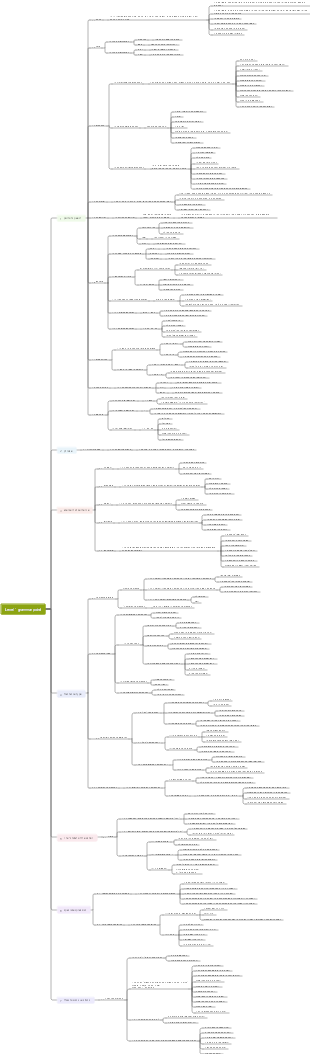
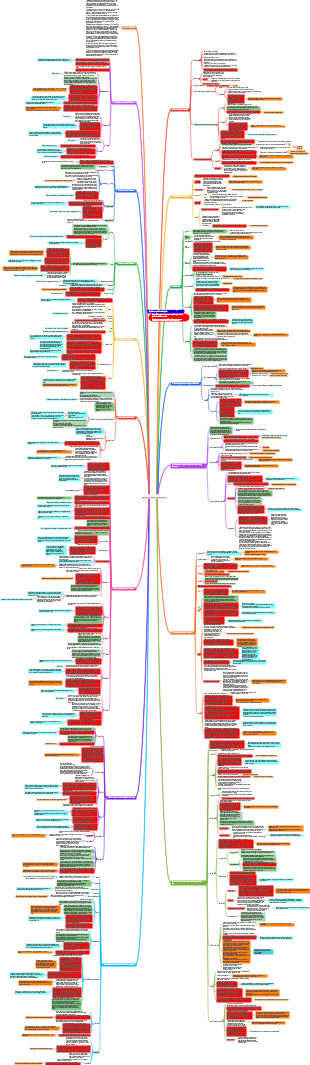
The important knowledge points in Chapters 4 and 5 of the book are organized according to the Linguistics Outline published by Ye Feisheng and Xu Tongqiang to facilitate students in the major categories of Chinese language and literature to memorize and memorize.
Edited at 2024-03-20 11:11:35本テンプレートは、日本人に人気の海外リゾート地「ハワイ・オアフ島」を対象とした、5 日間の充実したモデル旅行プランを体系化したマインドマップです。初めてハワイを訪れる旅行者、リピーター、家族連れやカップルなど、多様なニーズに対応するため、旅行基本情報・持ち物チェックリスト・5 日間詳細スケジュール・オプションプラン・事前準備情報の 5 つの軸で構成されています。対象読者は日本からオアフ島へ旅行を計画中の 20〜50 代の旅行者であり、成果指標としては、情報の網羅性(渡航手続きから現地体験まで必要な項目が過不足なく含まれているか)、実用性(移動時間や費用、予約のタイミングなどの正確さ)、体験の充実度(自然・文化・アクティビティ・食事のバランス)を測定します。 ユーザーニーズ分析では、渡航準備・現地移動・体験プラン・安全情報の 4 領域を掘り下げます。渡航準備においては、ESTA 申請、飛行機の予約、為替、パスポートの有効期限、海外旅行保険など、事前に整えるべき情報が不足していると計画が難しくなります。求められる価値としては、渡航に必要な手続きの流れ、必要な持ち物リスト、季節別の服装アドバイス、現地で使えるアプリや連絡先などが考えられます。現地移動では、ワイキキ内の徒歩・バス移動、レンタカーの利用方法、空港からのアクセス、交通機関のルール(右側通行など)が主な関心事です。悩みとしては、バスの路線が分からない、レンタカーの予約手続きが不安、現地での移動時間の目安が分からないなどが挙げられます。体験プランでは、ビーチでのんびり、ダイヤモンドヘッドのハイキング、ノースショアでのサーフィン、ハレイワタウン散策、ポリネシアン・カルチャーセンターでの文化体験など、オアフ島の魅力を網羅したプランが求められます。悩みとしては、限られた日数で主要スポットを効率よく回れない、予算に合ったアクティビティの選び方が分からない、人気のレストランやショップの情報が不足しているなどが挙げられます。安全情報では、ハワイ特有の注意点(紫外線対策、海での安全ルール、治安情報)、緊急時の連絡先、現地でのトラブル対応方法など、旅行者が不安に感じる点を整理することが重要です。 5 日間のモデルコースでは、各日のテーマを明確に設定し、体験のバランスを考慮しています。1 日目は「到着日・ワイキキ慣らし」として、ホノルル国際空港に到着後、ワイキキのホテルにチェックインし、夕方からワイキキビーチでのんびりしたり、夜は地元料理を味わったりして、ハワイの雰囲気に慣れる行程です。2 日目は「自然体験&ショッピング」として、午前中にダイヤモンドヘッドのハイキングに挑戦し、午後はアラモアナセンターやワイキキでショッピングを楽しみ、夜はハワイアン・ルアウショーを鑑賞する行程です。3 日目は「歴史文化巡り」として、イオラニ宮殿やパールハーバー(真珠湾)を訪れてハワイの歴史に触れ、午後はダウンタウンホノルルで街歩きをし、夜はインターナショナルマーケットプレイスで食事や買い物を楽しむ行程です。4 日目は「北海岸&大自然体験」として、オプションでノースショアへ向かい、ハレイワタウンで散策したり、サーフィンを体験したり、美しいビーチでのんびり過ごす行程で、夜はワイキキに戻って食事を楽しみます。5 日目は「最終日・思い出作り」として、午前中にワイキキビーチでの最後の散策や、お土産を買いに街を巡り、午後は空港へ移動して帰国する行程です。各日には、おすすめの時間帯、混雑しにくいタイミング、予約が必要なアクティビティの情報などを付け加え、実際に旅行する際の参考になるよう工夫しています。 また、テンプレートには持ち物チェックリストも含まれており、パスポート・ESTA、海外旅行保険証書、現金・クレジットカード、日焼け止め・帽子・サングラス、歩きやすい靴、薬、充電器など、海外旅行に必要なアイテムをリストアップしています。さらに、事前準備情報として、ネット環境の確保、現地で使えるアプリ、緊急連絡先、季節別の服装アドバイスなども記載し、旅行者の不安を解消するようサポートします。 EdrawMind のマインドマップ機能を活用することで、ユーザーは自身の旅行スタイルに合わせて行程を追加・削除したり、好みのアクティビティをハイライトしたりすることができます。例えば、ゆっくりリゾートを楽しみたい方はショッピングやハイキングの時間を減らしてビーチでの時間を増やしたり、アクティブに過ごしたい方はノースショアでのサーフィンやダイビングを追加したりするなど、カスタマイズも自由自在です。このテンプレートは、オアフ島の旅行計画を立てる際の基盤として活用することを想定しており、主要な情報が一目で分かるよう整理されているため、初めてハワイを

本テンプレートは、古都・奈良の世界遺産、鹿とのふれあい、歴史的な雰囲気を存分に楽しむための 1 泊 2 日旅行プランを体系化したマインドマップです。修学旅行や短期文化旅行、週末の小旅行に人気の奈良を対象に、イメージ・種類・交通・宿泊の 4 つの基本軸を設け、2 日間の具体的な行程を時系列で整理しています。対象読者は大阪・京都在住の 20〜40 代の一人旅・カップル・家族連れ、初めて奈良を訪れる旅行者、世界遺産や日本文化に興味のある層であり、成果指標としては、行程の網羅性(主要スポットが過不足なく含まれているか)、実用性(移動時間や混雑情報の正確さ)、体験の充実度(鹿とのふれあい・文化体験の満足度)を測定します。 ユーザーニーズ分析では、行程・体験・交通・注意点の 4 領域を掘り下げます。行程においては、「東大寺」「春日大社」「奈良国立博物館」といった世界遺産の回り方、「奈良公園」での鹿とのふれあい、「奈良町」の古い町並み散策がユーザーの関心事となります。悩みとしては、限られた時間で主要スポットを効率よく回れない、鹿との接し方が分からない、徒歩移動の負担が心配などが挙げられます。求められる価値としては、時間帯別のおすすめルート、鹿と安全に接するためのマナー説明、無理のない徒歩移動のための休憩ポイント案内が考えられます。体験面では、鹿せんべいの購入場所や与え方、春日大社の灯篭や御朱印の魅力、奈良町のカフェや伝統工芸体験など、現地でしか味わえない体験情報が求められます。交通においては、奈良市内のバス路線や一日券の情報、主要スポット間の徒歩時間、雨天時の移動手段など、事前に知っておくべき情報が不足していると計画が難しくなります。注意点では、天候対策(夏の暑さや冬の寒さ)、スケジュールのゆとり作り、写真撮影のルールやマナー、ゴミの持ち帰りなど、旅行者が見落としがちな点を整理することが重要です。 行程の中でも、特に人気の高いスポットには詳細な情報を盛り込んでいます。「東大寺」は世界遺産に登録されており、奈良時代に建立された日本を代表する寺院で、世界最大級の木造建築物である大仏殿や、高さ約 15 メートルの盧舎那仏(奈良の大仏)が有名です。事前にコインロッカーに荷物を預けて身軽になってから訪れることで、ゆっくりと境内を散策できるほか、大仏殿の柱の穴をくぐると「厄除けになる」という言い伝えもあり、多くの観光客が体験しています。「奈良公園」は東大寺や春日大社を含む広大な公園で、約 1,300 頭の野生の鹿が自由に生息しており、鹿せんべいを使って鹿とふれあうことができます。ただし、鹿は野生動物であるため、エサの与え方や触れ方には注意が必要で、事前にルールを確認しておくことが推奨されます。「春日大社」は朱色の社殿と美しい灯篭が特徴的な世界遺産で、参道には 3,000 基を超える石灯篭が並び、神聖な雰囲気を醸し出しています。特に夜間にライトアップされた灯篭は幻想的で、写真撮影にも人気です。 1 泊 2 日のモデルコースでは、初日に東大寺・奈良公園・春日大社を巡り、夜は奈良町の古い町並みを散策して地元料理を味わう行程を提案しています。二日目には、若草山から奈良の街並みを一望した後、興福寺や奈良国立博物館を訪れ、奈良町で伝統工芸体験やカフェ巡りを楽しんでから帰路に就く流れとなっています。各スポットには、徒歩時間や混雑しにくい時間帯、おすすめの食事処などの情報を付け加え、実際に旅行する際の参考になるよう工夫しています。また、旅行の注意点として、スケジュールは体調に合わせて無理のないペースで調整すること、天候に合わせて水分補給や防寒・防暑対策を徹底すること、神社仏閣での写真撮影ルールを守ることなどを記載し、安全で快適な旅行をサポートします。 EdrawMind のマインドマップ機能を活用することで、ユーザーは自身の旅行スタイルに合わせて行程を追加・削除したり、好みのスポットをハイライトしたりすることができます。一人旅向けには静かなカフェ巡りを追加したり、家族連れ向けには鹿とのふれあい体験を充実させたりするなど、カスタマイズも自由自在です。このテンプレートは、奈良の旅行計画を立てる際の基盤として活用することを想定しており、主要な情報が一目で分かるよう整理されているため、初めて奈良を訪れる方でも安心して旅行を楽しむことができます。
本テンプレートは、東京から約90分でアクセス可能な温泉・富士山・美術館が融合したリゾート地「箱根」の週末旅行ガイドを体系化したマインドマップです。カップルや家族連れに人気の週末旅行先として、交通アクセス、観光スポット、名物料理の3軸で構成され、効率的な旅行計画と満足度の高い体験を実現することを目的としています。対象読者は東京在住の20〜40代のカップル・家族連れ、初めて箱根を訪れる旅行者、週末の小旅行を計画中の層であり、成果指標としては、情報の網羅性(必要な項目が過不足なく含まれているか)、実用性(実際の移動時間や料金の正確さ)、満足度(モデルプランの再現性)を測定します。 ユーザーニーズ分析では、交通アクセス、観光スポット、グルメの3領域を掘り下げます。交通アクセスにおいては、東京からの行き方(小田急ロマンスカー約85分・指定席、新宿→箱根湯本、普通電車約2時間・乗換2回)、箱根内の移動手段(登山電車・バス・ケーブルカー・ロープウェイ)、お得な周遊券(箱根フリーパス・2日券)の情報が不足していると計画が難しくなります。求められる価値としては、交通機関別の所要時間・料金・乗換回数を比較した表、周遊券の特典内容(主要観光施設の割引)と購入場所、移動手段ごとのメリット・デメリットが考えられます。観光スポットでは、「箱根ガラスの森美術館」「クモ箱根(早雲山駅)」「芦ノ湖の夕暮れ遊覧船」などが代表的です。悩みとしては、美術館や自然スポットが多すぎて選べない、夕暮れ時の遊覧船のベストタイミングが分からない、写真映えするスポットを知りたいなどが挙げられます。価値ある情報として、おすすめスポットの特徴と所要時間、夕暮れ時の撮影ポイント、カップル向け・家族向けの選別基準を提供します。名物料理では、「黒たまご(大涌谷)」「温泉豆腐」などが代表的です。悩みは、どこで何を食べれば良いか分からない、観光地価格に見合う価値があるか、アレルギーや食事制限への対応などです。求められる価値として、名物料理の特徴とおすすめ店舗、価格帯、食べるタイミング(例:黒たまごは大涌谷観光の合間に)を整理します。 カップルにおすすめスポットとして、「箱根ガラスの森美術館」はユネスコ世界遺産(※正確には箱根地域全体がジオパークに認定されていますが、イメージとして)の美しい庭園とガラス作品が魅力です。写真はイメージですが、実際の訪日客にも人気のスポットです。名物料理のセクションでは、「黒たまご」は大涌谷の火山活動を利用して茹でられた卵で、殻が黒くなるのが特徴です。伝統的な名物料理として、食べると寿命が延びると言われています。「温泉豆腐」も地元の温泉を利用した料理で、なめらかな食感が特徴です。これらの情報をマップ上で可視化し、移動ルートと組み合わせることで、無駄のない観光計画が立てられます。 成功するための具体施策としては、主要スポットを時系列で結んだ「1泊2日モデルコース」を提供する(例:1日目:新宿→箱根湯本→登山電車→強羅→大涌谷→芦ノ湖遊覧船→宿泊、2日目:箱根ガラスの森美術館→箱根湯本→帰京)、各スポットの「混雑予想時間帯」と「穴場時間帯」をデータで示す(例:芦ノ湖遊覧船は夕暮れ時が混雑するが、その分景色は絶景)、名物料理を食べられる店舗の「営業時間・定休日・予約可否」をリスト化する、の3点が有効です。よくある失敗とその回避策としては、移動手段の乗換えが複雑で迷ってしまうケースでは箱根フリーパスの活用と事前のルート確認を推奨すること、観光スポットの滞在時間を見誤って計画が詰まりすぎるケースでは余裕を持ったスケジューリングと優先順位付けをアドバイスすること、天候によって富士山が見えない場合の代替プラン(雨天でも楽しめる美術館や温泉施設)を用意しておくことが有効です。本テンプレートは、週末旅行ガイドのコンテンツを計画・評価する際の基盤として活用することを想定しています。
本テンプレートは、日本人に人気の海外リゾート地「ハワイ・オアフ島」を対象とした、5 日間の充実したモデル旅行プランを体系化したマインドマップです。初めてハワイを訪れる旅行者、リピーター、家族連れやカップルなど、多様なニーズに対応するため、旅行基本情報・持ち物チェックリスト・5 日間詳細スケジュール・オプションプラン・事前準備情報の 5 つの軸で構成されています。対象読者は日本からオアフ島へ旅行を計画中の 20〜50 代の旅行者であり、成果指標としては、情報の網羅性(渡航手続きから現地体験まで必要な項目が過不足なく含まれているか)、実用性(移動時間や費用、予約のタイミングなどの正確さ)、体験の充実度(自然・文化・アクティビティ・食事のバランス)を測定します。 ユーザーニーズ分析では、渡航準備・現地移動・体験プラン・安全情報の 4 領域を掘り下げます。渡航準備においては、ESTA 申請、飛行機の予約、為替、パスポートの有効期限、海外旅行保険など、事前に整えるべき情報が不足していると計画が難しくなります。求められる価値としては、渡航に必要な手続きの流れ、必要な持ち物リスト、季節別の服装アドバイス、現地で使えるアプリや連絡先などが考えられます。現地移動では、ワイキキ内の徒歩・バス移動、レンタカーの利用方法、空港からのアクセス、交通機関のルール(右側通行など)が主な関心事です。悩みとしては、バスの路線が分からない、レンタカーの予約手続きが不安、現地での移動時間の目安が分からないなどが挙げられます。体験プランでは、ビーチでのんびり、ダイヤモンドヘッドのハイキング、ノースショアでのサーフィン、ハレイワタウン散策、ポリネシアン・カルチャーセンターでの文化体験など、オアフ島の魅力を網羅したプランが求められます。悩みとしては、限られた日数で主要スポットを効率よく回れない、予算に合ったアクティビティの選び方が分からない、人気のレストランやショップの情報が不足しているなどが挙げられます。安全情報では、ハワイ特有の注意点(紫外線対策、海での安全ルール、治安情報)、緊急時の連絡先、現地でのトラブル対応方法など、旅行者が不安に感じる点を整理することが重要です。 5 日間のモデルコースでは、各日のテーマを明確に設定し、体験のバランスを考慮しています。1 日目は「到着日・ワイキキ慣らし」として、ホノルル国際空港に到着後、ワイキキのホテルにチェックインし、夕方からワイキキビーチでのんびりしたり、夜は地元料理を味わったりして、ハワイの雰囲気に慣れる行程です。2 日目は「自然体験&ショッピング」として、午前中にダイヤモンドヘッドのハイキングに挑戦し、午後はアラモアナセンターやワイキキでショッピングを楽しみ、夜はハワイアン・ルアウショーを鑑賞する行程です。3 日目は「歴史文化巡り」として、イオラニ宮殿やパールハーバー(真珠湾)を訪れてハワイの歴史に触れ、午後はダウンタウンホノルルで街歩きをし、夜はインターナショナルマーケットプレイスで食事や買い物を楽しむ行程です。4 日目は「北海岸&大自然体験」として、オプションでノースショアへ向かい、ハレイワタウンで散策したり、サーフィンを体験したり、美しいビーチでのんびり過ごす行程で、夜はワイキキに戻って食事を楽しみます。5 日目は「最終日・思い出作り」として、午前中にワイキキビーチでの最後の散策や、お土産を買いに街を巡り、午後は空港へ移動して帰国する行程です。各日には、おすすめの時間帯、混雑しにくいタイミング、予約が必要なアクティビティの情報などを付け加え、実際に旅行する際の参考になるよう工夫しています。 また、テンプレートには持ち物チェックリストも含まれており、パスポート・ESTA、海外旅行保険証書、現金・クレジットカード、日焼け止め・帽子・サングラス、歩きやすい靴、薬、充電器など、海外旅行に必要なアイテムをリストアップしています。さらに、事前準備情報として、ネット環境の確保、現地で使えるアプリ、緊急連絡先、季節別の服装アドバイスなども記載し、旅行者の不安を解消するようサポートします。 EdrawMind のマインドマップ機能を活用することで、ユーザーは自身の旅行スタイルに合わせて行程を追加・削除したり、好みのアクティビティをハイライトしたりすることができます。例えば、ゆっくりリゾートを楽しみたい方はショッピングやハイキングの時間を減らしてビーチでの時間を増やしたり、アクティブに過ごしたい方はノースショアでのサーフィンやダイビングを追加したりするなど、カスタマイズも自由自在です。このテンプレートは、オアフ島の旅行計画を立てる際の基盤として活用することを想定しており、主要な情報が一目で分かるよう整理されているため、初めてハワイを
本テンプレートは、古都・奈良の世界遺産、鹿とのふれあい、歴史的な雰囲気を存分に楽しむための 1 泊 2 日旅行プランを体系化したマインドマップです。修学旅行や短期文化旅行、週末の小旅行に人気の奈良を対象に、イメージ・種類・交通・宿泊の 4 つの基本軸を設け、2 日間の具体的な行程を時系列で整理しています。対象読者は大阪・京都在住の 20〜40 代の一人旅・カップル・家族連れ、初めて奈良を訪れる旅行者、世界遺産や日本文化に興味のある層であり、成果指標としては、行程の網羅性(主要スポットが過不足なく含まれているか)、実用性(移動時間や混雑情報の正確さ)、体験の充実度(鹿とのふれあい・文化体験の満足度)を測定します。 ユーザーニーズ分析では、行程・体験・交通・注意点の 4 領域を掘り下げます。行程においては、「東大寺」「春日大社」「奈良国立博物館」といった世界遺産の回り方、「奈良公園」での鹿とのふれあい、「奈良町」の古い町並み散策がユーザーの関心事となります。悩みとしては、限られた時間で主要スポットを効率よく回れない、鹿との接し方が分からない、徒歩移動の負担が心配などが挙げられます。求められる価値としては、時間帯別のおすすめルート、鹿と安全に接するためのマナー説明、無理のない徒歩移動のための休憩ポイント案内が考えられます。体験面では、鹿せんべいの購入場所や与え方、春日大社の灯篭や御朱印の魅力、奈良町のカフェや伝統工芸体験など、現地でしか味わえない体験情報が求められます。交通においては、奈良市内のバス路線や一日券の情報、主要スポット間の徒歩時間、雨天時の移動手段など、事前に知っておくべき情報が不足していると計画が難しくなります。注意点では、天候対策(夏の暑さや冬の寒さ)、スケジュールのゆとり作り、写真撮影のルールやマナー、ゴミの持ち帰りなど、旅行者が見落としがちな点を整理することが重要です。 行程の中でも、特に人気の高いスポットには詳細な情報を盛り込んでいます。「東大寺」は世界遺産に登録されており、奈良時代に建立された日本を代表する寺院で、世界最大級の木造建築物である大仏殿や、高さ約 15 メートルの盧舎那仏(奈良の大仏)が有名です。事前にコインロッカーに荷物を預けて身軽になってから訪れることで、ゆっくりと境内を散策できるほか、大仏殿の柱の穴をくぐると「厄除けになる」という言い伝えもあり、多くの観光客が体験しています。「奈良公園」は東大寺や春日大社を含む広大な公園で、約 1,300 頭の野生の鹿が自由に生息しており、鹿せんべいを使って鹿とふれあうことができます。ただし、鹿は野生動物であるため、エサの与え方や触れ方には注意が必要で、事前にルールを確認しておくことが推奨されます。「春日大社」は朱色の社殿と美しい灯篭が特徴的な世界遺産で、参道には 3,000 基を超える石灯篭が並び、神聖な雰囲気を醸し出しています。特に夜間にライトアップされた灯篭は幻想的で、写真撮影にも人気です。 1 泊 2 日のモデルコースでは、初日に東大寺・奈良公園・春日大社を巡り、夜は奈良町の古い町並みを散策して地元料理を味わう行程を提案しています。二日目には、若草山から奈良の街並みを一望した後、興福寺や奈良国立博物館を訪れ、奈良町で伝統工芸体験やカフェ巡りを楽しんでから帰路に就く流れとなっています。各スポットには、徒歩時間や混雑しにくい時間帯、おすすめの食事処などの情報を付け加え、実際に旅行する際の参考になるよう工夫しています。また、旅行の注意点として、スケジュールは体調に合わせて無理のないペースで調整すること、天候に合わせて水分補給や防寒・防暑対策を徹底すること、神社仏閣での写真撮影ルールを守ることなどを記載し、安全で快適な旅行をサポートします。 EdrawMind のマインドマップ機能を活用することで、ユーザーは自身の旅行スタイルに合わせて行程を追加・削除したり、好みのスポットをハイライトしたりすることができます。一人旅向けには静かなカフェ巡りを追加したり、家族連れ向けには鹿とのふれあい体験を充実させたりするなど、カスタマイズも自由自在です。このテンプレートは、奈良の旅行計画を立てる際の基盤として活用することを想定しており、主要な情報が一目で分かるよう整理されているため、初めて奈良を訪れる方でも安心して旅行を楽しむことができます。
本テンプレートは、東京から約90分でアクセス可能な温泉・富士山・美術館が融合したリゾート地「箱根」の週末旅行ガイドを体系化したマインドマップです。カップルや家族連れに人気の週末旅行先として、交通アクセス、観光スポット、名物料理の3軸で構成され、効率的な旅行計画と満足度の高い体験を実現することを目的としています。対象読者は東京在住の20〜40代のカップル・家族連れ、初めて箱根を訪れる旅行者、週末の小旅行を計画中の層であり、成果指標としては、情報の網羅性(必要な項目が過不足なく含まれているか)、実用性(実際の移動時間や料金の正確さ)、満足度(モデルプランの再現性)を測定します。 ユーザーニーズ分析では、交通アクセス、観光スポット、グルメの3領域を掘り下げます。交通アクセスにおいては、東京からの行き方(小田急ロマンスカー約85分・指定席、新宿→箱根湯本、普通電車約2時間・乗換2回)、箱根内の移動手段(登山電車・バス・ケーブルカー・ロープウェイ)、お得な周遊券(箱根フリーパス・2日券)の情報が不足していると計画が難しくなります。求められる価値としては、交通機関別の所要時間・料金・乗換回数を比較した表、周遊券の特典内容(主要観光施設の割引)と購入場所、移動手段ごとのメリット・デメリットが考えられます。観光スポットでは、「箱根ガラスの森美術館」「クモ箱根(早雲山駅)」「芦ノ湖の夕暮れ遊覧船」などが代表的です。悩みとしては、美術館や自然スポットが多すぎて選べない、夕暮れ時の遊覧船のベストタイミングが分からない、写真映えするスポットを知りたいなどが挙げられます。価値ある情報として、おすすめスポットの特徴と所要時間、夕暮れ時の撮影ポイント、カップル向け・家族向けの選別基準を提供します。名物料理では、「黒たまご(大涌谷)」「温泉豆腐」などが代表的です。悩みは、どこで何を食べれば良いか分からない、観光地価格に見合う価値があるか、アレルギーや食事制限への対応などです。求められる価値として、名物料理の特徴とおすすめ店舗、価格帯、食べるタイミング(例:黒たまごは大涌谷観光の合間に)を整理します。 カップルにおすすめスポットとして、「箱根ガラスの森美術館」はユネスコ世界遺産(※正確には箱根地域全体がジオパークに認定されていますが、イメージとして)の美しい庭園とガラス作品が魅力です。写真はイメージですが、実際の訪日客にも人気のスポットです。名物料理のセクションでは、「黒たまご」は大涌谷の火山活動を利用して茹でられた卵で、殻が黒くなるのが特徴です。伝統的な名物料理として、食べると寿命が延びると言われています。「温泉豆腐」も地元の温泉を利用した料理で、なめらかな食感が特徴です。これらの情報をマップ上で可視化し、移動ルートと組み合わせることで、無駄のない観光計画が立てられます。 成功するための具体施策としては、主要スポットを時系列で結んだ「1泊2日モデルコース」を提供する(例:1日目:新宿→箱根湯本→登山電車→強羅→大涌谷→芦ノ湖遊覧船→宿泊、2日目:箱根ガラスの森美術館→箱根湯本→帰京)、各スポットの「混雑予想時間帯」と「穴場時間帯」をデータで示す(例:芦ノ湖遊覧船は夕暮れ時が混雑するが、その分景色は絶景)、名物料理を食べられる店舗の「営業時間・定休日・予約可否」をリスト化する、の3点が有効です。よくある失敗とその回避策としては、移動手段の乗換えが複雑で迷ってしまうケースでは箱根フリーパスの活用と事前のルート確認を推奨すること、観光スポットの滞在時間を見誤って計画が詰まりすぎるケースでは余裕を持ったスケジューリングと優先順位付けをアドバイスすること、天候によって富士山が見えない場合の代替プラン(雨天でも楽しめる美術館や温泉施設)を用意しておくことが有効です。本テンプレートは、週末旅行ガイドのコンテンツを計画・評価する際の基盤として活用することを想定しています。
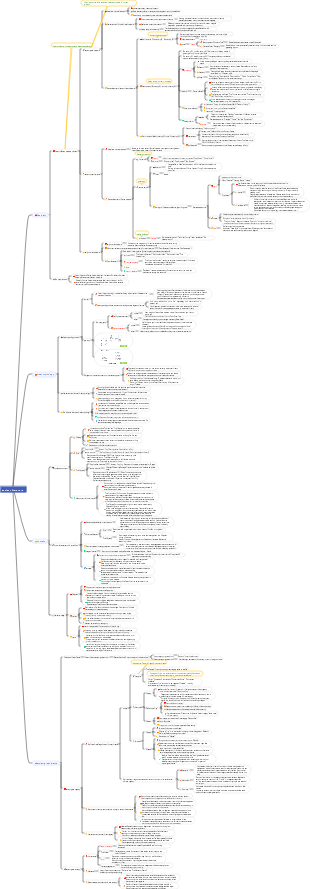
Outline of Linguistics
Chapter 5: Semantics and Pragmatics
Vocabulary and meaning
words and vocabulary
Basic words: Basic vocabulary is the core part of a language's vocabulary, which is commonly used by all people, is stable, and has the ability to form words. Basic words are the core of vocabulary, form the basis of language, and are the most commonly used words in a language's vocabulary.
Basic words have three distinctive characteristics: ① Commonly used by all people, that is, the use of basic words is very common and universal, and it is universally used by all people regardless of region, class, strata, men, women, old and young. This is common to all basic words. Features. ② Stability, the basic words are in a relatively stable state, and the concepts of things represented by the basic words are stable and rarely change. ③Producibility. Basic words have a very strong ability to form new words. Some commonly used basic words can often form dozens or hundreds of words together with other components. Some basic words do not have the ability to form words, such as modal particles. , prepositions and other function words, but they are commonly used by all people, so they are still basic words
The three characteristics of basic words are complementary to each other, they are related to each other and influence each other. Its universality and national characteristics inevitably require the basic words to maintain relative stability. Basic words have the characteristics of universality and stability, and people naturally use them as the first choice material when constructing new words, because using familiar basic words to form new words is easier to be recognized and popularized. In this way, basic words have the characteristics of productivity; and the productivity characteristics of basic words further strengthen their characteristics of universality and stability. The mutual influence of these three aspects makes the importance of basic words in the vocabulary system more prominent.
lexical meaning of word
The meaning of words can be divided into rational meaning and additional color meaning. Rational meaning is that part of a word's meaning that reflects people's rational understanding of the objective things that the word refers to. Words such as "hell", "ghost" and "Jade Emperor" whose meanings do not originate from have objective foundations. , is a distorted reflection of reality. The part of the word meaning that reflects the phenomenon of objective reality is the rational meaning.
Additional color is a meaning that expresses people's subjective attitudes and evaluations in addition to the rational meaning of the word. Additional colors are mainly divided into emotional color meanings and stylistic color meanings. The former refers to a person's subjective evaluation attitude towards the objective things referred to by the word. It mainly has two aspects: commendatory and derogatory. For example, "sacrifice" means praise, and "end" means derogation. "Death" has a neutral meaning, regardless of praise or blame; the latter refers to the style and color formed by the word often appearing on specific occasions, which can be mainly divided into spoken and written language. For example, "wife" and "wife" are mostly used in spoken language, which looks casual and natural, while "ma'am" is used in written language, which looks solemn and elegant. To understand the meaning of words, in addition to mastering the rational meaning, you must also pay attention to the additional color meaning so that you can use it correctly.
generalization of word meaning
Word meaning is the meaning represented by a word. It is a general reflection of the essential characteristics of an objective thing or phenomenon and a subjective evaluation of the real phenomenon that is fixed in a certain phonetic form.
Word meaning is a general reflection of real phenomena. It does not reflect the characteristics of individual specific things, but reflects the common characteristics of similar things. Generality is an important feature of word meaning. For example, the meaning of the word "apple" summarizes the common characteristics of all apples in the world in terms of color, shape, taste, etc. The general characteristics of word meaning are embodied in three aspects: generality, vagueness and universality.
Various relationships between word meanings
Polysemy
A word has multiple meanings, and these meanings are related to each other. The original meaning in a polysemy is called the original meaning, and the meaning derived from the original meaning is called the derived meaning. The status of multiple meanings of polysemous words is unequal. Some meanings are used more often and occupy a central position in a word, so this meaning is the central meaning, or the main meaning.
The way to derive word meaning is extension, which can be divided into two ways: metaphor and metonymy.
synonymous relationship
Synonyms are a group of words that have the same or similar meaning. The difference in meaning of synonyms is mainly reflected in the following aspects: ① The scope of the meaning of the word is large or small, and the degree is different; ② The attached color has different meanings, or the emotional color is different, and there are praise and blame; or There are different styles and colors, and there are differences between written language and spoken language. ③ Different collocation functions.
antonym
Words with opposite meanings are called antonyms. The meaning of antonyms generally reflects two opposite aspects of the same phenomenon. A word often has several antonyms at the same time depending on the different meanings it expresses. Antonyms have a contrasting role in rhetoric and can be used to reveal contradictions and highlight opposites. The real phenomena summarized by word meanings have various relationships. Synonyms are overlapping relationships, and antonyms are oppositional relationships. They are the unity of opposites.
The hyponym relationship between word meanings
The hypernym relationship of word meanings refers to the relationship between the phenomena reflected in word meanings that include and are included; the hypernym sense is more general and reflects more real-life phenomena than the hyponym sense; and the hyponym sense has richer conceptual connotation properties than the hypernym sense. , in addition to inheriting all the attributes of the superordinate sense, it also has its own unique attributes.
Semantic features and semantic fields of words
Word meanings are systematic, and there are various connections between word meanings. A common feature among them is that there are some same semantic features in the conceptual meanings of these words. Semantic features do not have a phonetic form and are often represented by a dichotomous notation method, which can more clearly see the relationship between word meanings.
The set of word meanings with the same semantic characteristics is called a semantic field. Word meanings within the same meaning field have a certain restrictive relationship with each other, which reflects the systematic structure of word meanings. Extracting different common semantic features will form different meaning fields, and there will be hierarchical or cross-relationships. Words that belong to the lower meaning field must also belong to the upper meaning field.
sentence meaning
The collocation of words and the realization of word meaning in sentence meaning
Understand the conditions for word combinations. The combination of word meanings is achieved through the collocation of words. On the one hand, the collocation of words is governed by grammatical rules; on the other hand, it is also restricted by semantic conditions.
The semantic conditions of word collocation are multifaceted. First of all, they must be restricted by the actual relationship between real phenomena. Relationships that do not exist in real phenomena, and the words expressing these phenomena cannot generally be used together except when describing fantasy or imagination and other special situations. Word collocation conditions in different languages or dialects present different characteristics. For example, in Mandarin Chinese, the collocation object of "eat" is limited to solid food, while in dialects it can also be used with liquid food (such as drinking water, eating wine), and even gas (eating cigarettes, eating). Northwest wind)
Word matching should also take into account social usage habits, which is the so-called "usage".
For example: in Chinese, "beautiful" can be used to describe both men and women, but "beautiful" cannot be used to describe men.
Word collocation also involves various additional colors and rhetorical effects of word meanings. In addition to rational meaning, words usually have additional colors such as emotional color, stylistic color, and image color. When matching, not only the rational meaning must be matched, but also the additional color must be appropriate. It should be based on the expression needs of the specific context. Choose to use. The need for rhetorical effect, in addition to the appropriate combination of rational meaning and color meaning, also requires word combination in terms of implicitness, emphasis, and vividness of expression.
The semantic structure of sentences and images of human experience
The semantic structure of a sentence is derived from the mapping relationship between language components and human experience. The limited number of "predicate-aspect" (i.e. "verb-noun relationship") relationship types is the semantic structure of the sentence. The collocation rules of predicates and aspect words in the semantic structure are the semantic rules of the sentence.
Grammatically, it conforms to the rules of grammatical structure, and semantically, it conforms to the rules of semantic structure. Only such sentences can be used as images of human experience.
Syntactic-semantic categories and images of human experience belonging to the speaker
The human experience image provided by the syntactic and semantic structure must be related to the speaker and "speaking time and space" in order to express "the human experience image belonging to the speaker", through the semantic categories related to "speaker, speaking place, speaking time" and It is realized by its expression, namely person, tense, indication, mood and modality.
Person - speaker, personal pronouns with first/second/third person
Time - speaking time, such as past/present/future
Instruction - speaker position, such as this/that
Mood - the verbal communication function of a sentence, such as statement/question/imperative
Modality - the speaker's subjective attitude towards what is said, mainly reflected by modal verbs, modal adverbs or clauses such as "I think/I believe/I am sure/I am convinced"
The truth value of a sentence and the implication and presupposition relationship of its meaning
Implication - the meaning of one sentence can be deduced from the meaning of another sentence, but the reverse inference is not valid.
Presupposition - If both the affirmative and negative forms of a sentence presuppose the affirmative form of another sentence, then the other sentence is the presupposition of the sentence.
Whether the "judgment" expressed by a sentence truly reflects a real phenomenon or event in the real world is considered in semantics to be a "sentence true or false" or "sentence truth value issue." Two important relationships between truth values between sentence meanings are:
pragmatics
context and contextual meaning
The meaning of context has three aspects. First, it refers to the physical context of the discourse, also called the "speech scene", which refers to the speaker/recipient of the discourse, the time and space at the time of speaking, and all existences in this time and space. Secondly, it also includes the discourse context, which refers to the preceding or following utterances in a coherent speech event. Finally, it also includes background knowledge of the speaker and the addressee.
topic and description
"Topic" refers to the entity related to the semantic information in a sentence, and the other parts of the sentence that expand on the topic are "explanations". There are two types of syntactic expressions of the most common topics. One is marked by special function words, such as Japanese; the other is marked by specific positions in sentences, such as Chinese.
Definition of topic and description and qualitativeness of topic
syntactic expression of topic
meaning of topic
Topic connections and chapter topics
topic and service
topic and subject
Focus and presets
The new information that the speaker wants the addressee to pay special attention to, that is, the focus of the sentence, must be marked by some perceptible means.
In conversation, focus is marked by intonation stress
Focus can also be expressed in syntactic form
In some languages, focus is marked by specialized syntactic blurring elements
Presupposition and focus are crucial to conveying information in context
The previous section included research on presuppositions in semantics. That is studied as the relationship between sentence meanings
Intra-linguistic accidents in daily life and literary works
Intralocutionary accidents in daily life
Mainly based on common sense reasoning in daily life. The information that can be derived based on reasoning does not need to appear in the discourse. This is what is called the "conversational cooperation principle" in pragmatics. In addition, the principles of decency determined by social culture also play a role in daily conversations.
Linguistic accidents in literary works
In the creation and appreciation of literature, "implication" plays a decisive role. The poet's creative experience and subtle artistic skills are difficult to convey to others through words. Readers need to experience it carefully from the poet's works and supplement it with their own experience and social and cultural knowledge.
speech act
What people say is not just an image of human experience (sentence meaning), nor is it just a specific speaker's specific knowledge of human experience. It is also a social behavior. Verbal communication behavior itself also constitutes a new human experience, and has a "behavior-effectiveness" relationship with other people, objects, phenomena, and events in the real world. These things mean language on another level.
Speech acts can be divided into three parts
Intralocutionary act: refers to the speaker's behavior of using the rules of language structure to speak meaningful words.
Illocutionary act: refers to the purpose and intention of the speaker's words
Perlocutionary act: the result achieved after the speaker utters the utterance
Among these three links, speech act research focuses most on illocutionary acts. In many cases, speech acts refer to illocutionary acts.
Direct speech acts usually have behavioral functions with literal meanings, while indirect speech acts usually have behavioral functions with non-literal meanings. An important purpose of indirect speech acts is to comply with the politeness principle in conversation and make the speaker's tone more tactful, thereby maintaining normal interpersonal relationships between the listener and the speaker.
Chapter 4: Grammar
Grammar and grammatical units
Grammatical structures are regular
Grammar is the structure of words, the rules of change and the rules of using words and sentences. It is formed in the long-term development process of language. This kind of rules exists objectively in a language and all members who speak this language must abide by it.
Grammar combination rules and aggregation rules
Combination rules: rules for combining grammatical units one after another. This rule is realistic and exists in discourse. Although it is invisible and intangible, it exists objectively. People who speak this language must abide by it, otherwise it will Create wrong sentences and say words that no one can understand.
Aggregation rules: rules for the classification and change of grammatical units. Several grammatical units (mainly words) can be replaced with each other at the same position. After replacement, the structural type and function will not change. Such several grammatical units form an aggregation relationship.
The combination rules and aggregation rules of grammar constitute the grammatical rules of a language
grammatical unit
Any fragment that can be replaced at a certain position in the combination is a grammatical unit. Morphemes, words, phrases and sentences are grammatical structural units at different structural levels. Pay special attention to several concepts involved in morphemes
"Ma Shi Wentong" is a grammar work written by Mr. Ma Jianzhong in 1898 with reference to Western grammar, marking the birth of modern Chinese grammar. There are ten chapters in the book, including one chapter for general introduction, eight chapters for vocabulary, and only one chapter for syntax, which contains deep traces of imitation.
Combination rules
realistic
Rules for combining morphemes into words
Simple words and compound words
A simple word is a word composed of one morpheme. The morphemes that constitute simple words are and can only be root morphemes.
Compound words are words composed of two or more morphemes. According to the properties of the elements that make up compound words, compound words are divided into two categories: compound words and derived words: one type is a word that is composed of root morphemes according to certain rules, which is called a compound word; the other type is a word that is composed of a combination of root morphemes and affixes. To become a derived word, the position of the affix in the word is usually at the beginning or at the end of the word.
The criteria for classifying parts of speech are
① Determine word categories based on word morphological changes, that is, morphological standards
② Determine the part of speech according to the meaning of the word, that is, the meaning standard
③ Determine the word category according to the aggregation position of the word, that is, the distribution standard. The standard of functional distribution is the most universal, and it is a characteristic that reflects the essence of the aggregation relationship of parts of speech and is the essential attribute of parts of speech.
The difference between root and stem
① The root is a component of a vocabulary word or a lexeme, and is a concept of word formation, as opposed to affixes; a stem is a concept of formation, as opposed to word endings, prefixes, word embeddings, etc., and is a component of grammatical words.
②The roots of words are all served by morphemes or morpheme sequences, and the stems are served by words or lexical positions that contain the roots of words.
The difference between affixes and suffixes
Affixes are components of vocabulary words or word positions, and are the concept of word formation, relative to word roots; word endings are the concept of formation, relative to word stems, and are the components of grammatical words.
The affix itself may not necessarily be meaningful, but when attached to the root of the word, it can add some new lexical meanings to the word, such as "tip - tip". The suffix itself contains grammatical meaning, and the grammatical words added after the stem add specific grammatical category meanings, such as "children - children", "worker - workers".
Rules for word formation into phrases and sentences
According to the grammatical relationship between words, there are only five basic types of structures, namely subject-predicate structure, predicate-object structure, predicate-complement structure, partial structure, and union structure.
Grammatical meaning: Relative to lexical meaning, grammatical meaning is the meaning produced by the combination of grammatical units.
Grammatical form: Compared with grammatical meaning, grammatical form is an external form mark that expresses grammatical meaning. That is to say, the relationship between grammatical meaning and grammatical form is the relationship between form and content. Grammatical form expresses grammatical meaning, and grammatical meaning must It can be expressed concretely through grammatical forms. The two depend on each other as the condition for their existence.
Grammatical means: Grammatical means is a further generalization and classification of grammatical forms. It is a category summarized based on grammatical forms of the same nature that express grammatical meanings. Common grammatical means mainly include word selection, word order, function words, and word form changes. Word order and function words are important means of expressing grammatical meaning in Chinese. Different word orders have different grammatical meanings.
Free phrases are word combinations that are temporarily formed based on expression needs in strict accordance with syntactic-semantic rules. A fixed phrase is a special linguistic unit that is similar in form to a phrase but functionally similar to a word. The difference between the two is as follows
①From the source, free phrases are temporarily formed according to needs, while fixed phrases are left over from history.
② From a functional point of view, fixed phrases play exactly the same role as words in the grammatical structure. They are equivalent to one word, and there is no need to segment them. However, free phrases themselves can not only segment words, but also segment lower ones. Levels of free phrases and even fixed phrases. Fixed phrases must not contain free phrases or fixed phrases.
③From the perspective of discreteness, components in fixed phrases generally cannot be replaced, added or deleted, and the order cannot be reversed, but free phrases can.
④ From the perspective of acquisition, free phrases do not need to be memorized by rote. As long as communication is needed, related words can be organized immediately according to grammatical rules; however, fixed phrases are gradually formed and fixed during the development of language, and are often It is a summary of some historical events or fables, and must be learned and memorized one by one like words.
The difference between free phrases and fixed phrases
Hierarchy of combinations
No matter how complex the structure of the sentences in the language is or how many words are used, their combination is regular and not chaotic. Words are used to form sentences, and there are no more than several structural types: subject-predicate, predicate-object, predicate-complement, partial positive, and combination. Simple sentences use one or two structural types; complex sentences use multiple structural types. Each level of a sentence is composed of two units of the next level. These two components that form a larger unit are called direct components.
The method of analyzing the structure level of phrases or sentences generally uses direct component analysis. This is a set of theories and methods for segmenting language units. It is segmented layer by layer according to the word order of language combinations, analyzes the internal levels of the language structure layer by layer, and separates the two direct components at each level. Some of the direct components of complex phrases have a relatively complex structure, and we need to continue to analyze until all the direct components are words.
If there is a modifier before the predicate verb and an object after it, such as the phrase "must learn English", how to divide the levels? Should it be classified as partial or predicate first? We advocate classifying it as positive first, and then classifying it as predicate. If there are multiple modifying components that are not parallel in nature, they should be classified at different levels.
If the phrase is an ambiguous phrase, the different meanings must be displayed through analysis. For example, "the dog that killed the hunter", a good prime minister who loves the people, the People's Liberation Army who loves the people, etc.
Recursiveness and openness of composition
General understanding: The recursive nature of combinations, the basic structural types of grammar can be nested and expanded, that is, the structural rules are recursive. The recursive nature of grammatical structures allows us to apply limited rules to create many sentences with complex structures. For example, the sentence "I know everyone likes to watch the movies he makes" uses the subject four times at different levels. predicate structure
aggregation rules
part of speech
Parts of speech are categories divided according to the role that words play in the structure, that is, the syntactic function. Words with the same function in the language are gathered together, classified into one category, and given a name. The categories of words divided from a grammatical perspective are speech classes. For example, "book" can be used as an object and is a noun; "beat" can be used as a predicate and is a verb. The same parts of speech have similar grammatical functions and can be replaced without changing the structural characteristics of the language. Therefore, the part of speech is actually a relatively wide aggregation group, and words of the same part of speech have an aggregation relationship. For example, we call words that express the names of things concepts nouns. Nouns often serve as subjects and objects. This is true in Chinese and also in English.
From the perspective of whether they can independently serve as components of syntactic structure, words can be divided into two categories: content words and function words.
The form in which the grammatical meaning is expressed by the change of words is the grammatical category; the syntactic category is the form in which the grammatical meaning is expressed by the change of the structure.
Lexical devices: overlap, light and stress, morphological changes
form
Morphology refers to the changes in the form of words when words are combined, and is an important means of expressing grammatical meaning. In languages with morphological changes, the morphological changes of words are required by the combinatorial structural relationship of words, and can express various grammatical meanings. For example, English nouns must indicate whether they are singular or plural in a specific sentence, otherwise it cannot Enter the combined structure. This puts forward requirements for word form changes, which must be changed. Inflection is a broad concept, which mainly includes additional endings, internal inflection, and different roots.
grammatical categories
Grammatical categories are the classification of grammatical meanings, a summary of grammatical meaning categories, and an aggregation of grammatical meanings represented by the changing forms of words. For example, the grammatical meaning of the English adjective bad (bad) is the primary level, the grammatical meaning of worse is the comparative level, and the grammatical meaning of worst is the superlative level. The meanings of the three levels are summarized into one category, called "level". Level is a grammatical category, which is a general term for the grammatical meaning of several levels of adjectives. Therefore, grammatical categories and grammatical meanings have a synonymy relationship, and grammatical meanings belong to grammatical categories.
Every grammatical category has the following common characteristics: first, there is a common domain of meaning, such as singular and plural numbers; second, the meaning expressed by each item in the same grammatical category not only depends on itself, but also It also depends on the mutual constraints between it and other items
Common grammatical categories include gender, number, case, aspect, tense, state, person, grade, etc. Grammar category content requires mastering the basic concepts and basic categories included in each category, and being able to combine specific sentence analysis
The personal category of English verbs is incomplete
Chinese verbs have no personal category
Neither Chinese nor modern English has the category of gender
Grammar rules: refers to the grammatical rules themselves, that is, objectively existing grammar, that is, a certain sense of language that people follow intuitively and habitually when speaking.
Grammar rules are habits that everyone must follow when speaking, not prescribed by linguists. The combination rules and aggregation rules of grammar constitute the grammatical rules of a language.
Grammatical form: A form that can embody a type of meaning or have a common function is a grammatical form, a form that can embody grammatical meaning.
Grammatical means: Classify grammatical forms into several basic categories based on their common characteristics. This category of grammatical forms is called grammatical means.
The form in which the grammatical meaning is expressed by the change of words is the grammatical category; the syntactic category is the form in which the grammatical meaning is expressed by the change of the structure.
transform
transformations and sentence patterns
A sentence created according to grammatical rules is not isolated in grammatical format. It can have various relationships with the format of other sentences.
Sentences can be divided into different types, including declarative sentences, interrogative sentences, imperative sentences, exclamatory sentences, etc. Each sentence type can also be subdivided. For example, declarative sentences can be divided into affirmative sentences and negative sentences, active sentences and passive sentences, etc. These sentences There is an inherent connection between types and they can be transformed into each other. If an affirmative sentence is transformed into a negative sentence, it is common to add the negative word "not" or "无" before the negative word.
Transformation and syntactic synonyms
Several sentence formats express the same or similar structural meaning, which are called syntactic synonyms. For example: "The kitten stole the fish." According to this sentence, we can respectively transform it into "the fish was eaten by the kitten", "the cat stole the fish", "the fish was eaten by the kitten", etc. These sentences all express the same meaning structure as the example sentences. This kind of transformation has important practical significance: language learners can use it to expand the scope of sentence making exercises and master complete sets of sentence patterns; language users can also easily select appropriate sentence patterns among sentence patterns that have a transformation relationship, and improve their skills. Expression skills.
Transformation and syntactic ambiguity
Transformation can also distinguish several different structural meanings expressed by the same sentence pattern and solve the problem of polysemous sentence patterns. For example: "The person who notified him has not come yet." This sentence can be understood in two ways: ① "The person he notified has not come yet" ② "The person who notified him has not come yet"
Transformation can not only analyze the ambiguous structure, but also discover the grammatical subcategories of words that cause ambiguity. It can push the grammatical analysis further in both combination and aggregation.
Structural types and general characteristics of language
According to the characteristics of grammatical structure, the world's languages are generally divided into isolated languages, such as Chinese and Zhuang; inflectional languages, such as Russian and German; agglutinative languages, such as Japanese and Korean; and complex languages, such as Menomiannian.