MindMap Gallery zoonosis
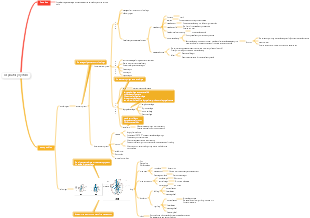
This is a mind map about zoonotic diseases. Zoonotic diseases refer to diseases and infectious diseases that are naturally transmitted between humans and livestock and poultry raised by humans. They are caused by the same pathogen and are epidemiologically related to each other.
Edited at 2024-02-17 20:31:09This article discusses the Easter eggs and homages in Zootopia 2 that you may have discovered. The main content includes: character and archetype Easter eggs, cinematic universe crossover Easter eggs, animal ecology and behavior references, symbol and metaphor Easter eggs, social satire and brand allusions, and emotional storylines and sequel foreshadowing.

[Zootopia Character Relationship Chart] The idealistic rabbit police officer Judy and the cynical fox conman Nick form a charmingly contrasting duo, rising from street hustlers to become Zootopia police officers!
This is a mind map about Deep Analysis of Character Relationships in Zootopia 2, Main content: 1、 Multi-layer network of relationships: interweaving of main lines, branch lines, and hidden interactions, 2、 Motivation for Character Behavior: Active Promoter and Hidden Intendant, 3、 Key points of interaction: logic of conflict, collaboration, and covert support, 4、 Fun Easter eggs: metaphorical details hidden in interactions.
This article discusses the Easter eggs and homages in Zootopia 2 that you may have discovered. The main content includes: character and archetype Easter eggs, cinematic universe crossover Easter eggs, animal ecology and behavior references, symbol and metaphor Easter eggs, social satire and brand allusions, and emotional storylines and sequel foreshadowing.
[Zootopia Character Relationship Chart] The idealistic rabbit police officer Judy and the cynical fox conman Nick form a charmingly contrasting duo, rising from street hustlers to become Zootopia police officers!
This is a mind map about Deep Analysis of Character Relationships in Zootopia 2, Main content: 1、 Multi-layer network of relationships: interweaving of main lines, branch lines, and hidden interactions, 2、 Motivation for Character Behavior: Active Promoter and Hidden Intendant, 3、 Key points of interaction: logic of conflict, collaboration, and covert support, 4、 Fun Easter eggs: metaphorical details hidden in interactions.
zoonosis
mad cow disease
Overview
Bovine spongiform encephalopathy, commonly known as mad cow disease, is characterized by chronic spongy (vacuolar) lesions in brain tissue without inflammatory symptoms. The pathogen is protein and has a long incubation period. Examination of pathological sections and staining of brain tissue revealed spongy lesions.
symptom
Nervousness, sensitivity, aggression, convulsions, and finally death from exhaustion
prevention
Strong import and export quarantine, prohibiting the use of bone and meat meal
highly pathogenic avian influenza
Overview
Caused by type A influenza virus, it is transmitted through the respiratory tract, digestive tract and airborne media. It is more common in the cold seasons of late autumn and winter and spring. my country has classified it as a Class I animal disease.
symptom
Increased body temperature, edema of the head and face, tearing, difficulty in breathing, cyanosis of the beard and comb, drooling at the mouth, shaking of the head, and yellow-green stools
clinical manifestations
Extensive bleeding under the skin, fat, muscles, and internal organs, bleeding and ulcers in the glandular stomach and glandular gastric mucosa, and intestinal date pit-like necrosis. Subcutaneous edema and leg congestion. Bleeding from foot scales, swollen and bleeding cecal tonsils
diagnosis
The disease material is inoculated into the allantoic cavity of 9-11 day old chicken embryos. The molecular biology is RT-PCR. The agar expansion test and hemagglutination inhibition test can distinguish virus types and subtypes.
prevention
The immunity density must be as high as 100%, and the antibody qualification rate must be 70%. Once discovered, the affected area must be sealed off, and infected and suspected cases and related products must be culled and destroyed.
Rabies
Overview
Rabies, also known as hydrophobia, initially manifests as excitement, mania, and attacks on people and animals, even their owners. In heterophagy, anatomy shows a large number of foreign bodies in the stomach. In the later stage, there is photophobia, drooling, hydrophobia, convulsions and finally paralysis and death.
diagnosis
Often in the pathological sections of the hippocampus horn bodies and cerebellar medulla oblongata, eosinophilic inclusions of nerve cells (endosomes, cherry red) can be seen, with obvious basophilic granules inside (cytoplasm blue-purple, interstitial pink)
Inoculate the diseased brain tissue into rabbits or mice. The animals will die and develop excitement and paralysis 1-2 days before death.
Postmortem detection of endosomes
Porcine Japanese encephalitis
Overview
A mosquito-borne reproductive disorder of pigs caused by the Japanese encephalitis virus of the Flaviviridae family. It manifests as abortion and stillbirth in sows. Mummy fetus. Orchitis in boars. Pigs are the main amplification host and source of infection of Japanese encephalitis virus
Epidemiology
Natural foci of infectious diseases, mainly spread through bites of poisonous mosquitoes
Pigs are the main propagation host and source of infection, and humans, equines, pigs, cattle, and sheep are all susceptible.
It has obvious periodicity and seasonality, and is mainly popular from July to September.
Symptoms and pathological changes
The virus first infects dendritic cells, enters lymph nodes, and causes viremia
Sows have late abortions, stillbirths, and mummified fetuses. The endometrium is congested, edematous, and has a small amount of secretion; the surviving pig is a pig with neurological symptoms. Examination shows cerebral edema, meningeal and spinal cord congestion, and hypoplasia of the brain and cerebellum.
In boars, orchitis occurs after fever, one or both sides of the testicles are obviously swollen, and the testicular parenchyma is congested and bleeding.
diagnosis
Pathogen isolation is the most classic diagnostic method. Blood and serum are collected during the fever period, and brain tissue and body fluids are collected after death. The experimental animals are mice or suckling mice.
The most common serological diagnosis is hemagglutination inhibition test
Prevention and control
Mosquito control, immunization
anthrax
Overview
Sheep and cattle are most susceptible, with artificial culture showing bamboo-like appearance and penicillin test showing bead-like appearance.
Epidemiology
Herbivores are the most susceptible, followed by carnivores, and sheep and cattle are the most susceptible.
symptom
Anthrax is an acute, febrile, septicemic infectious disease, with acute death as the main cause. The spleen is highly swollen, the subcutaneous serosa has hemorrhagic jelly-like infiltration, natural orifice bleeding, poor blood coagulation, and a coal-like appearance.
Bodies are highly susceptible to decay. Dissection prohibited, spread through soil
Detection
Ascoli test, which is a ring precipitation test
Ascoli test, which is a ring sedimentation test, takes peripheral blood, or takes a small piece of ear, and takes a small piece of spleen under strict protection.
protection
Vaccination, immunity period is one year. Prevention and treatment of suspected diseases
Brucellosis
Overview
It mainly causes reproductive disorders such as abortion and stillbirth in animals; orchitis, epididymitis, mastitis, metritis and joint swelling in male animals; abortion, infertility, inflammation of reproductive organs and fetal membranes in animals; and wave fever in humans after infection.
Brucella was identified as red cocci by Kozloff staining.
The designated testing method for international trade is complement fixation test; the statutory test for testing in my country is serum agglutination test
way for spreading
Brucella can be spread through various channels such as the gastrointestinal tract, respiratory tract and reproductive system mucous membranes, injuries and even damaged skin.
Prevention and control
The introduction is subject to strict quarantine. The main vaccines commonly used in my country are Brucella suis s2 and sheep type 5 (m5) attenuated virus vaccine.
salmonellosis
Overview
This disease mainly causes enteritis and sepsis, and abortion in pregnant animals.
Classification
Salmonella chicken
Salmonella in chicks is also known as pullorum, which causes chickens to discharge white watery feces and characteristic necrotic spots of varying sizes in the liver. Salmonella in adult chickens is also known as typhoid fever. The lesions are mainly in the reproductive system, manifesting as yolk peritonitis. Can be transmitted vertically, making it difficult to purify chicken farms
Chicken pullorum and salmonella infection can be tested by agglutination test, and the whole blood plate agglutination test reaction is more commonly used.
Salmonella swine
Also known as porcine paratyphoid, the acute manifestations are diarrhea and diffuse fibrinous necrosis. On autopsy, the internal organs are enlarged, dark blue in color, and rubbery. Small gray-yellow necrotic spots can be seen in the liver, and acute catarrhal inflammation can be seen in the gastrointestinal mucosa.
diagnosis
Cultivate on selective medium (MacConkey medium), select suspected colonies, and conduct plate agglutination test
Prevention and control
The ancestral farm will eliminate positive animals, and the entire flock will be treated with interferons for prevention or treatment. Cured chickens should not be kept for breeding.
tuberculosis
bovine tuberculosis
Overview
Bovine tuberculosis (pearl disease) is a chronic wasting infectious disease of cattle caused by Mycobacterium conjugans. Its pathological characteristics are the formation of tuberculous granulomas in various tissues and organs, followed by dry necrosis or calcification in the center of the nodules. This disease is a serious zoonosis
Tuberculosis is divided into intestinal tuberculosis, pulmonary tuberculosis, cutaneous tuberculosis, and genital tuberculosis. Irregular heat, necrotic lesions appear gray-white or yellow-white, soft and structureless, and look like dry or tofu
way for spreading
The disease is mainly infected through the respiratory tract and digestive tract, and can also be transmitted through mating. Among them, the gastric glands are most commonly infected through the respiratory tract.
susceptible animals
This disease can affect a variety of animals and people. Among domestic animals, cattle are the most susceptible, and calves are mainly infected with digestive tract infections.
Pathological changes
The formation of hyperplastic tuberculosis nodules, in which epithelial cells and macrophages gather around tuberculosis bacteria to form specific granulomas
Prevention and control
Eliminate positive animals and quarantine the introduced animals for one month. Streptomycin is the drug of choice for tuberculosis.
diagnosis
Tuberculosis test; intradermal injection and eye drops performed at the same time
chicken tuberculosis
Overview
It is a chronic infectious disease caused by Mycobacterium tuberculosis and mainly occurs in humans. It can also occur in humans, pigs, and cattle.
Avian tuberculosis mainly harms chickens and turkeys, mainly through digestive tract and respiratory tract infection
symptom
Anemia, weight loss, comb atrophy, walking, extensive visceral nodules
diagnosis
Smear, isolation and culture, animal vaccination. Tuberculin test, inoculate into the wattles, and observe whether there is redness, swelling, sagging, or thickening 24 to 48 hours later
porcine type 2 streptococci
Overview
Silver carp mainly manifests as sepsis, meningitis, arthritis, endocarditis, and tissue purulent inflammation. Respiratory tract and digestive tract are the main routes of transmission
Group C streptococci cause high morbidity, high mortality and great harm. Chronic cases include arthritis, endocarditis and tissue purulent inflammation. Lymph node abscesses caused by group E strep throat are the most common and most popular.
symptom
Pigs that die from septicemia show purple bleeding spots on the skin under the neck, abdomen and limbs: those that die acutely may have dark red blood flowing out of natural holes, poor blood coagulation, and a large amount of yellow or turbid fluid in the chest cavity. , containing yellow fibrous substance, increased pericardial fluid, obvious enlargement of the pancreas, gray-red or dark red, brittle and soft, joint cavity effusion, knocking
diagnosis
Smear microscopy, pathogen isolation
Prevention and control
Vaccine prevention, antibiotic treatment
glanders
Overview
Horses, mules and other mammals are most susceptible to glanders. The clinical diagnosis is the formation of glanders nodules, ulcers and scars in the nasal cavity, throat, tracheal mucosa and skin.
symptom
Acute glanders are divided into pulmonary glanders, nasal glanders, and cutaneous glanders.
Pulmonary glanders
Dry cough, dullness or semi-dullness in the lungs. Difficulty breathing
Rhinoceros
Purulent nasal fluid flows from the nostrils, and there are gray-white nodules, ulcers, and scars on the nasal mucosa.
Cutaneous glanders
It often spreads to nearby tissues along the path of lymphatic vessels, forming string-like cord-like swellings.
chronic type
Yellow pus discharges from the nostrils, festering ulcers appear on the mucous membranes, or Reflective scar formation
diagnosis
Through allergy diagnosis, eye drops, subcutaneous injection, and eyelid intradermal injection. Commonly used eye drops
prevention
There is no vaccine, it is recommended to eliminate open or acute cases, and treatment with sulfa and oxytetracycline is necessary.
Colibacillosis
Classification
Yellow diarrhea in piglets
The pathogen is Escherichia coli, which causes yellow and loose feces in three-day-old piglets. An autopsy shows a large number of digestive curds in the stomach. Acute catarrhitis in the intestinal mucosa is severe, with the amount of twelve fingers being severe. Red colonies are formed on MacConkey's medium.
Piglet white diarrhea
Mainly manifested in piglets aged 2 to 4 weeks, with glandular diarrhea and white feces.
Swine edema disease
It is a kind of toxemia in post-weaning piglets caused by hemolytic Escherichia coli, with low incidence and high mortality. It can cause diarrhea and edema in piglets. The most obvious pathological changes are edema in the stomach wall and mesentery. Vaccination is required and timely iron and selenium supplements are recommended.
Colibacillosis in lambs and calves
Typical symptoms are central nervous system disorder. Necropsy shows large amounts of effusion in the chest, abdomen and pericardium, mixed with fibrin, dehydration of lambs with diarrhea, rumen and reticulum mucosa shedding, and severe bleeding and congestion in the abomasum, duodenum and middle part of the small intestine. , the content is yellowish gray semi-liquid
poultry
Infection with Escherichia coli in children manifests as diarrhea, hepatitis, and yolk malabsorption; in adults, it manifests as yolk peritonitis, perihepatitis, pericarditis, and airsacculitis.
diagnosis
Inoculate the diseased material with MacConkey medium or blood plate medium
Biochemical experiments: Select red colonies on MacConkey's medium or β-hemolytic colonies on blood plates, and inoculate them into trisaccharide iron culture medium respectively.
Treatment and prevention
Antibiotics, polyvalent vaccines
Listeria
Overview
It is a zoonotic disease caused by Listeria, which mainly manifests as meningitis, septicemia, and abortion. Sick sheep with neurological symptoms often do circling movements and have stiff necks. Smear microscopy showed Gram positive and arranged in a V shape
way for spreading
The disease can be transmitted through the digestive tract, respiratory tract, eye conjunctiva, injured skin, contaminated water, feed, blood-sucking insects and other channels. Rats are the reservoir host of this disease
clinical manifestations
pig
Neurological symptoms, sepsis, cough, adenorrhea, rash, pulmonary edema, miscarriage
cattle, sheep
Neurological symptoms, vision loss, miscarriage, salivation, runny nose
rabbit
Neurological symptoms, meningitis, meningitis
autopsy
Meningeal congestion and increased cerebrospinal fluid; small necrotic spots or abscesses were seen in the liver, spleen, and myocardium. Subcutaneous yellow staining and microscopic examination showed infiltration of mononuclear cells. Separation and identification were performed on glucose agar plate or sodium nitrite agar plate. The colonies showed typical characteristics of black in the center and green around them.
diagnosis
Microscopic examination of the brain tissue reveals lesions such as vascular cuffs dominated by mononuclear cells and tiny purulent foci, which can be used to make preliminary judgments.
prevention
Drugs include sulfonamides, gentamicin, streptomycin, tetracycline, etc. Penicillin is ineffective