MindMap Gallery Veterinary Medicine-Respiratory System Mind Map
A mind map about the animal anatomy and respiratory system. The respiratory system completes the gas exchange process between the animal body and the outside world.
Edited at 2023-11-28 17:17:47This is a mind map about bacteria, and its main contents include: overview, morphology, types, structure, reproduction, distribution, application, and expansion. The summary is comprehensive and meticulous, suitable as review materials.

This is a mind map about plant asexual reproduction, and its main contents include: concept, spore reproduction, vegetative reproduction, tissue culture, and buds. The summary is comprehensive and meticulous, suitable as review materials.
This is a mind map about the reproductive development of animals, and its main contents include: insects, frogs, birds, sexual reproduction, and asexual reproduction. The summary is comprehensive and meticulous, suitable as review materials.
This is a mind map about bacteria, and its main contents include: overview, morphology, types, structure, reproduction, distribution, application, and expansion. The summary is comprehensive and meticulous, suitable as review materials.
This is a mind map about plant asexual reproduction, and its main contents include: concept, spore reproduction, vegetative reproduction, tissue culture, and buds. The summary is comprehensive and meticulous, suitable as review materials.
This is a mind map about the reproductive development of animals, and its main contents include: insects, frogs, birds, sexual reproduction, and asexual reproduction. The summary is comprehensive and meticulous, suitable as review materials.
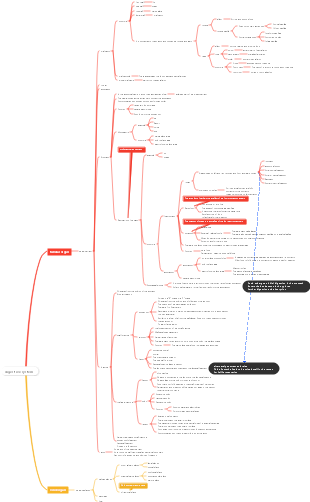
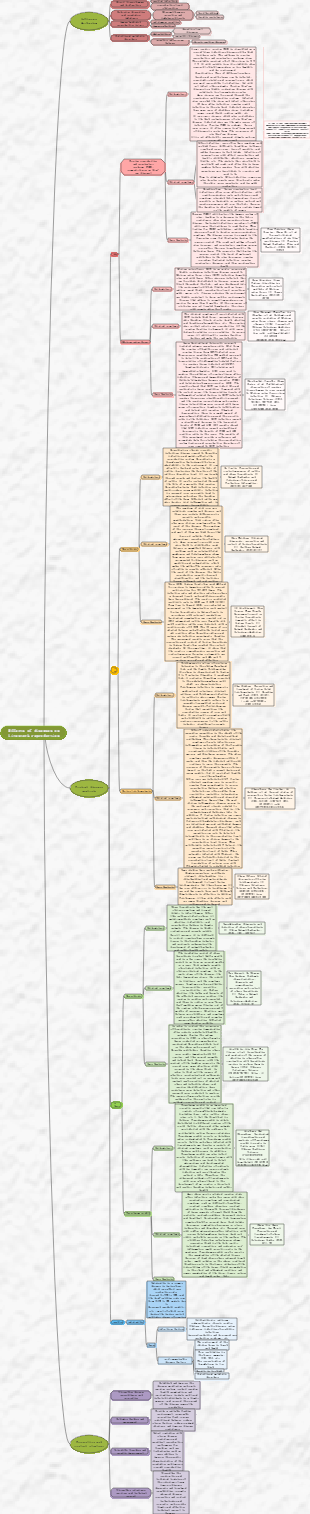
respiratory system
Function
Complete the gas exchange process between the animal body and the outside world
composition
tubular organ
respiratory tract
The passage of gas in and out of the lungs
Upper respiratory tract
nose
passage of air into and out of the lungs
olfactory organ
Nasal cavity and paranasal sinuses
nasal cavity
front end
nostril
rear end
Communicates with pharynx via choanae
nasal septum
Divides the nasal cavity into left and right channels
nasal vestibule
The front of the nasal cavity on each side, Covered skin part
Nasolacrimal duct opening
on the nasal vestibule
proper nasal cavity
A bony nasal cavity surrounded by mucosa
Each nasal cavity is divided into upper, middle and lower nasal passages by the upper and lower turbinates composed of turbinate bones and mucosa.
Function
The air passing through the nasal cavity can fully contact the nasal mucosa
warm, moist air
Absorbs components in the air such as dust, bacteria, etc.
paranasal sinuses
The air-containing space between the inner and outer bony plates of the skull, Directly or indirectly connected to the nasal cavity
effect
Reduce skull weight
Keep the temperature of the cranial cavity stable
pharynx
common passages for digestion and respiration
Behind the mouth and nasal cavity, Above the larynx and esophagus
Nasopharynx
oropharynx
hypopharynx
throat
It is a respiratory organ and a vocal organ
lie in
posterior mandibular space
laryngeal cartilage
Laryngeal cartilage serves as a scaffold, by muscles and ligaments Connect the laryngeal cartilages, forming the hypopharynx, and the inner surface of the laryngeal cavity is lined with laryngeal mucosa
epiglottis cartilage
Thyroid cartilage
cricoid cartilage
Spoon cartilage
vocal cord
middle part of larynx, laryngeal mucosal intrusion Obvious mucosal folds
When air passes through the throat cavity, Vibrates the vocal cords to produce sound
lower respiratory tract
trachea
Long cylindrical tube
Composed of 50-70 "C" shaped tracheal cartilage rings Connected by connective tissue
bronchi
After the trachea enters the chest opening Divides into left and right bronchi and enters the same side of the lung
After the bronchi enter the lungs, they branch multiple times bronchial tree
small bronchi
Bronchioles
terminal bronchioles
solid organ
lung
The only substantial organ in the respiratory system, It is a place for gas exchange
Located in the chest, on both sides of the mediastinum
Pink, Sponge-like, Soft and elastic
three sides
rib surface
close to ribs
mediastinum
Close to the thoracic cavity and mediastinum
Diaphragm surface
Post with diaphragm
three connections
dorsal margin
Blunt, round
ventral margin
Thin, sharp; deliberate
bottom edge
thin, sharp
Lobulation
left lung
pointed leaves
Heart leaves
diaphragm leaf
right lung
pointed leaves
For cattle and sheep, The apical lobe of the right lung is divided into front and rear parts
Heart leaves
diaphragm leaf
Accessory leaf
hilum
Bronchial tubes, blood vessels, lymphatic vessels and nerves The area entering and exiting the lungs