 Wondershare EdrawMind
MindMap Gallery Effects of diseases on livestock reproduction
- 62
- 2
Effects of diseases on livestock reproduction
This is a mind map about the impact of diseases on livestock reproduction, including impact mechanisms, analysis of typical diseases, prevention and control strategies, etc.
Edited at 2024-04-09 10:33:30
- bacteria
This is a mind map about bacteria, and its main contents include: overview, morphology, types, structure, reproduction, distribution, application, and expansion. The summary is comprehensive and meticulous, suitable as review materials.
- Plant asexual reproduction
This is a mind map about plant asexual reproduction, and its main contents include: concept, spore reproduction, vegetative reproduction, tissue culture, and buds. The summary is comprehensive and meticulous, suitable as review materials.
- Reproductive development of animals
This is a mind map about the reproductive development of animals, and its main contents include: insects, frogs, birds, sexual reproduction, and asexual reproduction. The summary is comprehensive and meticulous, suitable as review materials.
Effects of diseases on livestock reproduction
- bacteria
This is a mind map about bacteria, and its main contents include: overview, morphology, types, structure, reproduction, distribution, application, and expansion. The summary is comprehensive and meticulous, suitable as review materials.
- Plant asexual reproduction
This is a mind map about plant asexual reproduction, and its main contents include: concept, spore reproduction, vegetative reproduction, tissue culture, and buds. The summary is comprehensive and meticulous, suitable as review materials.
- Reproductive development of animals
This is a mind map about the reproductive development of animals, and its main contents include: insects, frogs, birds, sexual reproduction, and asexual reproduction. The summary is comprehensive and meticulous, suitable as review materials.
- Recommended to you
- Outline


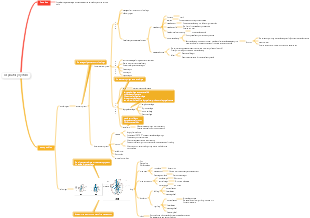
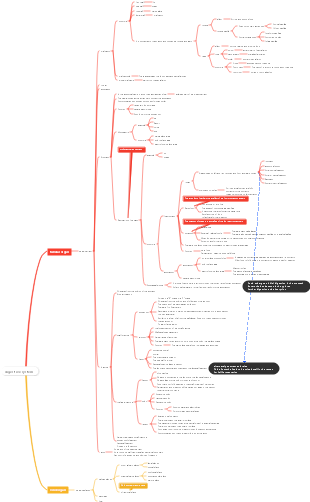


Effects of diseases on livestock reproduction
Influence Mechanism
Direct tissue damage and dysfunction
genital infection
reproductive tract obstruction
Endocrine disruption and regulatory imbalance
Abnormal hormone secretion and imbalanced levels
hypothyroidism
Insulin resistance
immune-mediated reproductive injury
autoimmune reaction
immune abortion
Nutritional metabolic disorders
Malnutrition
digestive tract diseases
parasitic disease
negative nutritional balance
chronic wasting disease
Typical disease analysis
pig
Porcine reproductive and respiratory syndrome (PRRS, commonly known as blue-ear disease)
Epidemiology
In my country, porcine PRRS is classified as a second-class infectious disease with a high incidence rate. The pathogen is porcine reproductive and respiratory syndrome virus. The suitable survival pH of this virus is 6.5 ~ 7.5. It will quickly lose its viability when exposed to high temperature or low humidity and dry environment. Deactivation. Pigs of different genders, breeds and growth stages can be infected, especially piglets and pregnant sows, which are most susceptible to infection, but will not infect other animals. Porcine blue-ear disease is a highly contagious disease with relatively low transmission routes. Many viruses can be spread through the respiratory and digestive systems. Infected pigs can shed the virus and infect other pigs 15 days after infection, causing rapid infection in the pig herd. Infected pigs also have many ways of shedding virus, including semen, nasal fluid, saliva, milk, etc. It can carry viruses, which also contributes to the high contagiousness of pig blue-ear disease. Infected pigs are the main source of infection. Porcine PRRS is endemic. Once a case occurs, it often causes long-term spread of disease in a pig farm. The occurrence of pig blue-ear disease It is not affected by seasonal climate and can occur all year round.
Clinical symptoms
After infection, sows often have symptoms such as high fever, difficulty breathing, lethargy, cough and runny nose, loss of appetite, and sudden decrease in food intake. Infection of pregnant sows will affect reproduction and lead to stillbirths, abortions, premature births, etc. The piglets they give birth to are light and weak, and often die in large numbers before weaning. Sows with abortion experience are less likely to conceive and need to be Time to eliminate. After infection, some sows also develop purple ears, blood spots under the skin, nerve paralysis, and low milk production.
Breeding boar. Severe respiratory tract infections often occur after infection, with rapid respiratory rate and obvious cough symptoms; elevated body temperature, loss of appetite or basically no eating, and red and purple appearance all over the body. However, the duration is short and has a certain impact on the quality of semen.
Li Jun, Li Guo, Wang Guoqiang. Epidemic characteristics and comprehensive prevention and control strategies of pig blue-ear disease [J]. Today's Pig Industry, 2024(01):46-49. Fang Jinliang. Occurrence and prevention of pig blue-ear disease [J]. Modern Rural Science and Technology, 2024(03):81-82.
Case Analysis
Because PRRSV will destroy the immune system of pigs, leading to a decrease in the body's resistance, when pigs encounter stress or disease, bacterial infections secondary to PRRS will cause the incidence to peak faster. When testing for PRRSV antibodies, antibody-negative pigs were found to develop severe respiratory symptoms. The disease process is normal in the farrowing room, but fluctuates during the nursery period. The cough and asthma of weak pigs increase, and respiratory symptoms appear soon after they are transferred to the fattening house. The reason is that during the nursery period, the level of maternal antibodies in the pigs decreases, causing secondary bacterial infection, causing respiratory diseases, and thus accelerating death.
Feng Peiping, Zhang Hongjun, Zhang Di, et al. Several clinical manifestations of pig blue-ear disease [J]. Foreign Animal Husbandry (Pigs and Poultry), 2024, 44(01): 38-40.
African swine fever
Epidemiology
African swine fever (ASF) is an acute, severe and highly contagious infectious disease caused by African swine fever virus (ASFV) infecting domestic pigs and wild boars. After pigs are infected, they can be widely distributed in tissues, organs and blood throughout the body, and are discharged into the environment with body fluids such as tears, saliva, nasal fluid, reproductive tract secretions, milk, mucus, etc. Viruses entering the environment are highly resistant to decay and dry environments. Viruses that adhere to normal temperatures can survive for more than 4 months. If the carcasses of sick pigs are not treated harmlessly, the virus will remain alive for 3 weeks.
Quan Xiaoqing, Jiang Taizun, Liao Xiaojun. Prevention and control methods of African swine fever [J]. Hunan Agriculture, 2022(10):28-29.
Clinical symptoms
The clinical symptoms of sows infected with ASFV include high fever, anorexia, dyspnea, skin bleeding, bloody stools, death, abortion and breeding abnormalities, etc. The ovaries play a vital role in sow reproduction. If the ovarian function is damaged, it will cause delayed ovulation or no ovulation. In severe cases, it will lead to ovarian function decline and make the sow infertile.
Chen Shengmei, Wang Tao, Lu Zhanhao, et al. Epidemic and genetic evolution of African swine fever virus: changes and changes [J/OL]. Journal of Chinese Veterinary Medicine: 1-11 [2024-04-08]. http://kns.cnki .net/kcms/detail/22.1234.R.20240402.1524.004.html.
Case Analysis
Gansu Agricultural University research isolated primary granulosa cells (GCs) from the ovaries of healthy sows and collected ovarian tissue from ASFV-infected sows. Fluorescence quantitative PCR method was used to detect the replication of ASFV and the transcription of inflammation-related factors in ovarian tissue infected with ASFV; hematoxylin-eosin (HE) staining and immunohistochemistry (IHC) were used to analyze the pathology of ovarian tissue after infection. Changes and immunohistochemistry of follicle-stimulating hormone receptor (FSHR) and luteinizing hormone receptor (LHR). The results showed that ASFV can infect GCs and replicate in large quantities. Compared with the control group, the transcription levels of inflammation-related factors in ASFV-infected ovarian tissue were significantly increased, and the ovarian corpus luteum and ovarian tissue interstitium were covered with large areas of congestion, lymphocyte infiltration, and luteal cell vacuoles. Chemical degeneration; there is a small amount of macrophage infiltration around the necrotic cells in the follicles. ASFV infection caused a significant decrease in the transcript levels of FSHR and LHR. IHC results showed that ASFV infection caused a significant decrease in the density of FSHR and LHR positive cells in the ovary. The results of this experiment provide a reference and accumulate data for studying the reproductive system lesions and reproductive disorders of sows caused by ASFV infection.
Chen Xuehui, Yang Bo, Zhang Dajun, et al. Pathological observation of ovarian tissue damage in sows caused by African swine fever virus infection [J]. Chinese Veterinary Science, 2022, 52(04): 507-515. DOI: 10.16656/j. issn.1673-4696.2022.0068.
ox
Brucellosis
Epidemiology
Brucella is a chronic zoonotic infectious disease caused by Brucella infection and mainly affects the reproductive system. Brucella is a Gram-negative bacterium with strong adaptability to the environment. It can attach to feed and enter the body of cattle, destroying the function of the cattle's digestive tract. It can invade through wounds and destroy the health of cattle. It can be contracted through the bite of a mosquito that carries Brucella bacteria. Bull infection can easily reduce sperm motility. Infection in pregnant cows can easily lead to miscarriage and reduce the breeding effect of the farm. Affected cattle may also develop joint inflammation and, in severe cases, lose mobility.
He Junjie. Prevention and control measures of cattle and sheep brucellosis [J]. Animal Husbandry and Veterinary Science and Technology Information, 2023(07):147-148.
Clinical symptoms
The symptoms of sick cows are relatively complex and diverse, and there are certain differences in severity and specific manifestations. Sick calves often show more obvious symptoms after the onset of the disease. The symptoms of the cows are the most prominent, and most of them are high fever that does not subside, Sudden miscarriage, reproductive failure, etc. Many pregnant cows will even give birth to stillbirths, weak fetuses or mummified fetuses, with problems such as retained fetal membranes and fetal membrane edema. Some more serious cows will also be accompanied by diseases such as mastitis and endometritis, which makes the mother The pregnancy rate of cattle is greatly affected. After the onset of the disease, the bull's reproductive capacity dropped significantly, and the testicles became inflamed, red and swollen.
Chen Weicheng. Clinical diagnosis, prevention and control of bovine brucellosis [J]. Northern Animal Husbandry, 2023(22):37.
Case Analysis
Since 1984, Guinan County has used MB2 and Sz vaccines to immunize cattle by aerosol and injection for 577,905 times. The infection rate and abortion rate have shown a downward trend, and gratifying results have been achieved. The county's predicted positivity rate in 1990 was 0.14% (1/722). From June to August 1991, we conducted an assessment on the immunization work against bovine brucellosis in Guinan County in accordance with relevant regulations. Serological examination was carried out on 1652 unimmunized cattle over 8 months old, and 6 positive cattle were detected, with a positive rate of 0.36%. The 70 cases of cow aborted fetuses and afterbirths tested were all positive after Brucella culture and guinea pig infection experiments. Negative. The assessment results prove that the prevention and control of bovine brucellosis in Guinan County has reached the control standards. At the same time, it shows that the county's comprehensive prevention and control measures focusing on immunity are correct and feasible, and MBz and S: vaccines are safe and effective.
[1] Liu Xiaomei, Chen Youwen, Wang Tianfu. Assessment report on bovine brucellosis immunity effect in Guinan County [J]. Qinghai Journal of Animal Husbandry and Veterinary Medicine, 1992(03):4.
Bovine trichomoniasis
Epidemiology
Trichomonas is a type of protozoa belonging to the phylum Parabasal body and the family Trichomonidae. Its shape is characterized by having 3 to 5 anterior flagella, 1 parabasal body, 1 posterior flagellum connected to the undulating membrane and 1 shaft. as characteristics. Trichomonas infection is common in medical and veterinary clinical settings, and Trichomonas infection in cattle is also common. Bovine trichomoniasis usually refers to a sexually transmitted protozoal disease caused by Tritrichomonas foetus that parasitizes the reproductive organs of cows and bulls. It can lead to premature birth and stillbirth in cattle, causing serious consequences to the cattle industry. significant economic losses.
Zhao Qiuhong. Prevention and treatment of bovine fetal trichomoniasis [J]. Breeding and Feed, 2023, 22(10):78-80.DOI:10.13300/j.cnki.cn42-1648/s.2023.10.012.
Clinical symptoms
After T.oetus infects bulls, the parasites parasitize in the sheath of the penis, foreskin and distal urethral epithelium. The characteristic clinical symptoms of acute infection are inflammation and swelling of the foreskin tissue in infected bulls, and occasionally itching of the foreskin mucosa, and Discharge appears. The above symptoms usually disappear within 2 weeks, and then the infected cattle will continue to carry the parasite. The presence of the parasite has no obvious impact on the bull's sexual desire and sperm quality, but it can infect healthy cows through mating. After cows are infected with T. foetus, clinical symptoms vary in severity, ranging from asymptomatic to severe reproductive failure and abortion. Infected cows often suffer from cervicitis, vaginitis, intrauterine abdominal salpingitis and placental inflammation. Among them, the most obvious inflammatory changes appear in the parts most closely related to pregnancy and conception, that is, the endometrium and fallopian tube. In addition, T. foetus infection can cause gastrointestinal pathological changes in fetuses with ambulatory discharge, such as intestinal mucosal epithelial damage and shedding. Research shows that after cows are infected with T.butteryi, the parasites can only be detected intermittently in the reproductive tract, and there is no obvious damage to the reproductive tract tissue. When artificially infected with T.butervi, the parasites cannot survive in the reproductive tract of bulls. When naturally infected with Tbutervi, the worms can be briefly detected in the reproductive tract of bulls. Vaginal inoculation of estrous cows with P.hominis failed to establish infection.
Zhang Heng, Pan Jinchao, Li Huihong, et al. Current status of research on bovine trichomoniasis [J]. Progress in Animal Medicine, 2021, 42(10): 109-113. DOI: 10.16437/j.cnki.1007-5038.2021.10.021.
Case Analysis
Some studies have used acriflavine, Diminazeneaceture, acriflavin ointment, chlorhexidine (i.e., chlorhexidine) and metronidazole (trichomonad) to treat bovine trichomoniasis, but these drugs may It has poor efficacy or is troublesome to use and has rarely been used. Although Dimetridazole is effective in killing Trichomonas, it has side effects such as rumen bleeding, dyspnea, and collapse and is banned.
Zhang Yifeng. A brief discussion of bovine trichomoniasis [J]. Chinese Veterinary Science and Technology, 1990(10):40-41.DOI:10.16656/j.issn.1673-4696.1990.10.028.
sheep
Brucellosis
Epidemiology
Sheep brucellosis has the most obvious symptoms and is most likely to infect humans. After this pathogen infects sheep, it mainly manifests symptoms such as abortion, infertility, and reproductive failure in female animals. The disease is highly contagious and spreads quickly. Once it appears, it is difficult to control, causing huge economic losses to the breeding industry and seriously endangering the development of animal husbandry and public health safety.
Sang Mingshan. Diagnosis and detection of sheep brucellosis [J]. China Animal Husbandry, 2024, (02): 116-117.
Clinical symptoms
The incubation period of sheep brucellosis is about half a month, and in a few cases the incubation period is as long as several months or a year. Sick animals usually show latent infection, with no obvious clinical symptoms. In the early stage of the disease, the body temperature rises, the spirit is listless, and the symptoms appear. Symptoms such as arthritis, tenosynovitis, synovitis, conjunctivitis, etc. Before abortion, the labia and breasts of the affected ewes are swollen, the vagina is swollen and congested, and there is yellow or gray-brown foul-smelling mucus flowing out of the vagina, which appears around 3 months of pregnancy. Abortion, most fetuses are stillborn, and symptoms such as endometritis and pyometra appear after abortion. Affected rams develop orchitis.
Tan Xiaowei, He Shuang, Ren Guokuan. Epidemic characteristics, diagnosis and comprehensive prevention and control of sheep brucellosis [J]. Today's Animal Husbandry and Veterinary Medicine, 2021, 37(11):37.
Case Analysis
In order to control the occurrence of brucellosis, vaccine immunization often selects uninfected healthy animals. During the autumn prevention in 2022, a sheep farm in Gansu conducted a comprehensive serological Brucella antibody test on the sheep and screened out Brucella antibodies. Negative sheep were orally immunized with S2 vaccine, and then grazed normally and inbred bred. However, with the arrival of the lambing season in the second year, mass abortions still occurred in the sheep flock. In order to find out the causes of abortion, serological and pathogenic tests were carried out on serum and vaginal swab secretions of aborted sheep and infertile sheep, and species identification, drug resistance gene detection and other research were conducted to analyze The causes of mass abortions provide guidance for the next step in epidemic prevention and control.
Liu Zhijie, Liu Ping, Wu Jinyan, et al. Investigation and analysis of the causes of abortion in sheep after vaccination with brucellosis vaccine in a sheep farm in Gansu [J/OL]. Chinese Veterinary Science, 1-9[2024-04-08]. https: //doi.org/10.16656/j.issn.1673-4696.2024.0128.
Toxoplasma gondii
Epidemiology
Toxoplasma gondii is an important zoonotic parasite that can infect a variety of warm-blooded animals (including dogs, cats, cattle, sheep, pigs, etc.), but the final host is felines. Toxoplasma gondii is widely distributed in different regions of the world. Cattle, sheep and other animals are infected with the pathogen by accidentally eating forage containing Toxoplasma gondii oocysts or drinking water contaminated by Toxoplasma gondii oocysts. Cattle and sheep infected with toxoplasmosis may develop a variety of clinical symptoms, such as reproductive failure and dyspnea. In addition, Toxoplasma gondii can also infect people. Infection of pregnant women with this pathogen can lead to fetal miscarriage and developmental abnormalities. Infection of patients with low immunity can cause systemic infection and even threaten the patient's life. Therefore, the widespread epidemic of toxoplasmosis will pose a huge threat to the development of my country's livestock and poultry breeding industry and public health.
Liu Huan, Bai Chongsheng. Serological investigation and analysis of Toxoplasma gondii in goats in Yulin area [J/OL]. Chinese Herbivore Science, 1-4[2024-04-08]. http://kns.cnki.net/kcms/detail /62.1206.Q.20240311.1948.004.html.
Clinical symptoms
Many sheep are in a latent carrier state after infection, and a few cases will show respiratory symptoms and neurological symptoms, such as difficulty breathing, constant coughing, wheezing, constant salivation in the mouth, frequent discharge of large amounts of nasal fluid from the nostrils, unsteady walking, decreased vision, and heartbeat. Acceleration, body temperature remains high for several days, feed intake decreases, rumination decreases or stops, indigestion and diarrhea, etc. Pregnant ewes will suffer miscarriage after infection, with severe fetal membrane lesions, dark red villi, and white necrosis on the surface. The stillborn fetus has subcutaneous edema, excessive fluid in the body cavity, intestinal congestion, and extensive non-inflammatory small necrotic spots in the meninges. Toxoplasma gondii can be seen in the examination of the aborted tissue. Necropsy of dead sheep shows enlarged lymph nodes, small nodules on the edges, scattered bleeding spots in the lungs, widening of the interstitium of the lungs, fluid accumulation in the chest and abdominal cavities, and smear examination of the liver, lungs, spleen and lymph nodes. body.
Zhang Jie, Dang Pengcheng, Luo Wenyi. Prevention and treatment of sheep toxoplasmosis [J]. Veterinary Guide, 2020, (17): 53.
Case Analysis
A survey by Feng Yun et al. found that the average positive rate of Toxoplasma antibodies in semi-fine-haired goats in Yongshan County, Yunnan was 44.9% (92/205), with no significant difference in the positive rates of sheep of different ages and genders; a study by Yan Xinlei et al. found , the serum Toxoplasma antibody positivity rate of Hulunbuir grazing sheep was 12.07% (71/588), among which the Toxoplasma antibody positivity rate of samples at different age stages was significantly different, but the difference between different genders was not significant; while the survey by Xing Dongyang et al. [6] The results found that the positive rate of Toxoplasma gondii antibodies in Tibetan sheep in some areas of Qinghai Province was only 2.21% (6/272). The above research results show that sheep toxoplasmosis is widely prevalent in my country, but the epidemic characteristics of different regions are quite different. Therefore, investigating the epidemic characteristics of sheep toxoplasmosis is very important for the prevention and control of the disease. In recent years, the sheep breeding industry in Yulin City, Shaanxi Province has developed rapidly, but there is a relative lack of investigation reports on the prevalence of toxoplasmosis in sheep in Yulin City.
Liu Huan, Bai Chongsheng. Serological investigation and analysis of Toxoplasma gondii in goats in Yulin area [J/OL]. Chinese Herbivore Science, 1-4[2024-04-08]. http://kns.cnki.net/kcms/detail /62.1206.Q.20240311.1948.004.html.
poultry
salpingitis
Salpingitis is a common disease in laying hens, which can affect egg production rate. dropped by 5% to 30%, and the dead-catching rate was from 0.2% to 8%, mainly due to Decreased eggshell quality, etc., most of which occur during the laying period and later stages of rearing
Cause
infectious factors
Colibacillosis, pullorum, salmonellosis, chronic poultry Cholera, Newcastle disease, avian influenza, infectious bronchitis, infectious Laryngotracheitis and decreased egg production syndrome, etc.
non-communicable disease factors
The environment of the chicken house is harsh and humid.
Poor ventilation in the house: ammonia, CO2, SO2, etc. The concentration of harmful gas is too high.
Density is too high.
Nutritional metabolic disorders
Prevention and control strategy
Strengthen disease surveillance and prevention
Establish and improve the disease monitoring and early warning system, conduct regular health examinations and vaccinations, isolate and treat infected individuals in a timely manner, and prevent the spread of the disease among the population.
Optimize feeding and management
Provide a suitable feeding environment, reasonably proportion feed, ensure nutritional balance, reduce stress factors, enhance animal physique, and improve disease resistance.
Scientific breeding and genetic improvement
Select varieties with strong disease resistance and excellent reproductive performance for breeding, and use technologies such as gene editing to improve the genetic characteristics of the population and improve overall reproductive health.
Strengthen veterinary services and technical support
Strengthen the construction and technical training of the veterinary team, improve disease diagnosis and treatment capabilities, promote advanced disease prevention and control technologies and concepts, and provide timely and effective technical support to farmers.