MindMap Gallery Differential Diagnosis of Canine and Cat Digestive Systems
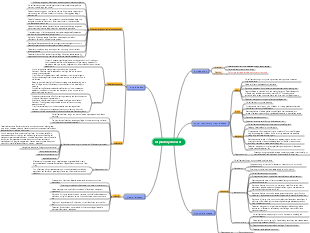
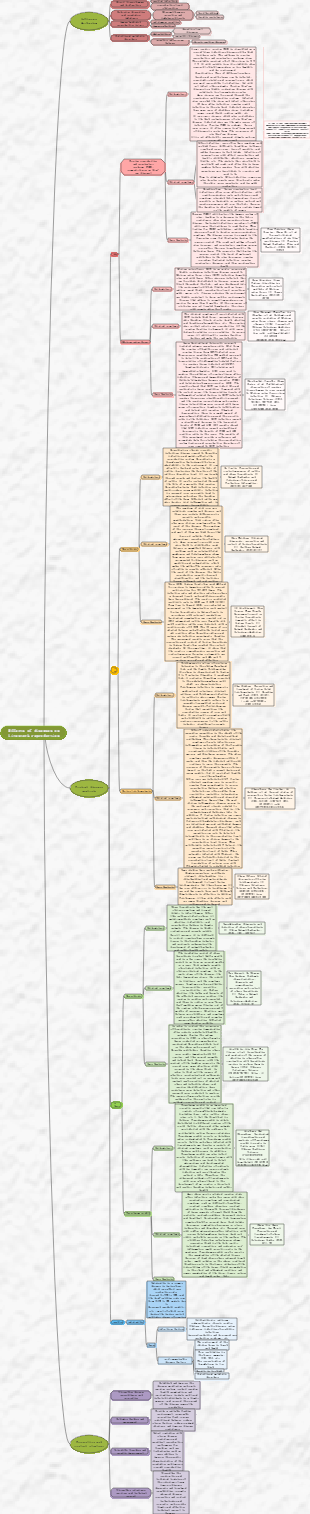
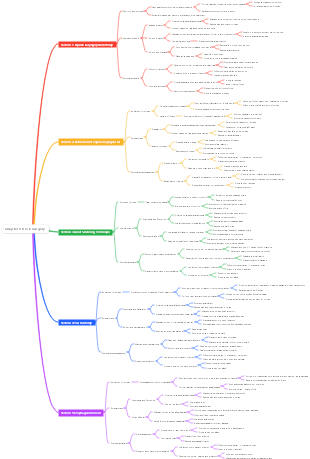
This is a mind map about the differential diagnosis of the digestive system of dogs and cats. It is introduced in detail and described comprehensively. I hope it will be helpful to those who are interested!
Edited at 2024-02-14 20:46:02This article discusses the Easter eggs and homages in Zootopia 2 that you may have discovered. The main content includes: character and archetype Easter eggs, cinematic universe crossover Easter eggs, animal ecology and behavior references, symbol and metaphor Easter eggs, social satire and brand allusions, and emotional storylines and sequel foreshadowing.

[Zootopia Character Relationship Chart] The idealistic rabbit police officer Judy and the cynical fox conman Nick form a charmingly contrasting duo, rising from street hustlers to become Zootopia police officers!
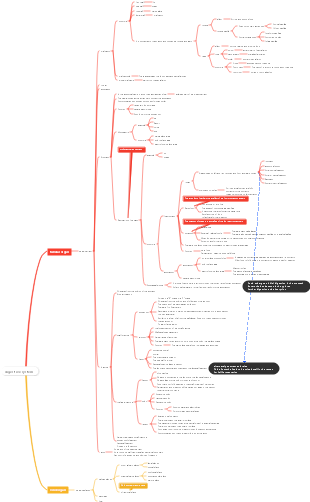
This is a mind map about Deep Analysis of Character Relationships in Zootopia 2, Main content: 1、 Multi-layer network of relationships: interweaving of main lines, branch lines, and hidden interactions, 2、 Motivation for Character Behavior: Active Promoter and Hidden Intendant, 3、 Key points of interaction: logic of conflict, collaboration, and covert support, 4、 Fun Easter eggs: metaphorical details hidden in interactions.
This article discusses the Easter eggs and homages in Zootopia 2 that you may have discovered. The main content includes: character and archetype Easter eggs, cinematic universe crossover Easter eggs, animal ecology and behavior references, symbol and metaphor Easter eggs, social satire and brand allusions, and emotional storylines and sequel foreshadowing.
[Zootopia Character Relationship Chart] The idealistic rabbit police officer Judy and the cynical fox conman Nick form a charmingly contrasting duo, rising from street hustlers to become Zootopia police officers!
This is a mind map about Deep Analysis of Character Relationships in Zootopia 2, Main content: 1、 Multi-layer network of relationships: interweaving of main lines, branch lines, and hidden interactions, 2、 Motivation for Character Behavior: Active Promoter and Hidden Intendant, 3、 Key points of interaction: logic of conflict, collaboration, and covert support, 4、 Fun Easter eggs: metaphorical details hidden in interactions.
Differential diagnosis of diseases
Digestive system diseases
Vomit
1. acute vomiting
1.1. food
1.1.1. food intolerance
1.1.2. sudden replacement
1.2. gastrointestinal disease
1.2.1. colitis
1.2.2. constipate
definition
Normally, you should defecate at least once a day, and the time should not exceed 30 seconds. If you do not defecate for more than 3 days or the defecation time is prolonged, you will howl in pain, and the feces will be thick and hard.
Pathology/Cause
envirnmental factor
Not familiar with the environment
No litter box/dirty
Change cat litter brand
lack of exercise
pain
Perianal abscess/bite
rectal foreign body
Pelvic/Hind Limb Fractures/Spinal Disorders
block
pelvic fracture
tumor
Perianal hair and stool clumps
foreign body
perineal hernia
rectal prolapse
neuromuscular diseases
metabolic endocrine abnormalities
diagnosis
inquiry
Defecation behavior? Medication records? Cat litter and environmental changes? Have you eaten foreign objects? fight? weight? Other symptoms?
Physical examination
Whether there is any trauma.
Gait, palpation of pelvis and spine, palpation of abdomen
blood test
Assess health status and discover potential causes
x-ray
Broken bones, amounts of stool, and clumps can be found. foreign body
treat
Symptomatic treatment
Dehydration, rehydration, and pain relief
Target the cause
Surgical treatment of fractures, tumors, foreign bodies, hernias, and megacolon
enema
The infusion should be done after the patient is hydrated and healthy. It is best to do it under anesthesia. Warm water should be 15-20ml/kg. The rectum should be emptied. The speed should not be too fast as it may cause vomiting. Do not use enemas containing phosphate ions.
Laxative
Sisapele
Less than 4.5kg, 2.5mg/cat orally twice a day, 30 minutes before meals
Greater than 4.5kg, 5mg/cat orally twice a day, 30 minutes before meals
Lactulose
0.5-1ml/kg orally twice a day
1.2.3. foreign body
linear foreign body
definition
They are usually sewing threads, and sewing threads come with needles. Most commonly found in the stomach, mouth, and soft tissues of the neck.
If severe clinical symptoms are caused, there are three major factors
With pins/buttons
The thread ends facing the head are fixed
The free end of the thread is long enough and can seriously cut the intestinal mucosa and cause peritonitis.
Clinical symptoms
Vomit
abdominal pain
Fever/anorexia/lethargy
Sewing needles entering the mouth can cause facial abscesses and refuse to touch the head
diagnosis
Any symptom of vomiting should be investigated for a sublingual linear foreign body. Abdominal palpation may reveal shrinkage of the small intestine.
barium meal x-ray
Use caution if peritonitis is suspected because barium meals can leak into the peritoneal cavity
treat
endoscope
Can be used before stomach
Surgery
intestinal tract
lumpy foreign body
high density
Diagnosis can be confirmed by x-ray and palpation, and surgical removal is enough.
low density
Comprehensive judgment of palpation, imaging, and chief complaint will be performed, and surgical removal will be performed after the risks have been explained.
1.2.4. gastric dilatation/volvulus
Cause
It is not clear yet, but it may be related to abnormal gastric motility. Deep-chested dogs are prone to the disease and may relapse easily. Eating once a day or eating from a high platform and exercising strenuously immediately after meals can increase the risk of the disease.
When the stomach becomes dilated/volved due to excess gas. Severe gastric dilatation can block the hepatic portal vein and posterior vena cava, leading to intestinal mucosal congestion, reduced cardiac output, severe shock, and DIC. Reduced blood in the stomach can lead to gastric wall necrosis
Clinical symptoms
dry cough retching
Abdominal pain, anterior abdominal distension
Depression, near-death state
diagnosis
Physical examination may serve as a preliminary examination and reveal a distended anterior abdomen
X-ray shows the blue hat sign on the right side.
Blood tests to assess condition/shock.
treat
Treat shock first
Infusion/colloid solution
gastric decompression
Except for suffocating animals, this is done using an orogastric tube, followed by clearing the contents with warm water.
Antibiotic treatment, cephalosporin
Necessary surgical reduction
prognosis
The mortality rate is 18-28%. The earlier the treatment, the better the effect. However, preoperative arrhythmia can increase lactic acid concentration, aggravate gastric wall necrosis and cause severe DIC. If part of the stomach and spleen are removed, the prognosis will worsen.
1.2.5. gastroduodenal ulcer
subtopic
1.2.6. Gastroenteritis
Hemorrhagic
Bacterial
viral
Parasite
1.2.7. inflammatory bowel disease
definition
Gastrointestinal symptoms lasting more than three weeks
Histopathological findings of mucosal inflammation
Not sensitive to antibiotics and anthelmintics, but responsive to anti-inflammatory and immunosuppressive treatments
pathology
Divided into four types
Lymphocytic-plasma cell enteritis
eosinophilic enteritis
Neutrophilic enteritis
histiocytic enteritis
The specific cause is not yet clear. Most people are middle-aged to old. Dogs may be hereditary, and cats may be related to cholangitis and pancreatitis.
symptom
Mainly chronic vomiting
Diarrhea. Weight loss. Anorexia/Polyphagia
diagnosis
Other causes must be ruled out such as
Parasite
Tumor (Lymphoma)
Bacterial infection/viral infection
Metabolic diseases
endocrine diseases
Blood routine, biochemistry, urine test
IBD may not be abnormal, but helps rule out other conditions
Diabetes (high blood sugar, high urine sugar, low urine specific gravity)
Hyperthyroidism (alt.alp.pcv increased. Low urine specific gravity
Protein-losing gastroenteropathy should be suspected in chronic diarrhea
T4
Thyroid disorders must be ruled out in the elderly
Ultrasound
Abdominal mass. Pancreatic disease
Biopsy and histopathological examination
treat
Except for lymphocytic enteritis, prednisolone is the drug of choice
1mg/kg. twice a day for the first month
1.5mg/kg once a day in the second month
In the third month, 1mg/kg. Once a day
0.75mg/kg. Once a day in the fourth month
In the fifth month, 0.5 mg/kg. Once a day
0.5mg/kg in the sixth month. Once every two days
During this period, hypoallergenic prescription food must be used. The medication can be stopped if there are no symptoms. If recurrence occurs, the lowest effective dose must be continued.
Sulfasalazine, the drug of choice for lymphocytic
15mg/kg. Once a day for 3 weeks
7.5mg/kg. Once a day. Take for one month.
It must be combined with hypoallergenic prescription food. The medication can be stopped if there are no symptoms. If recurrence occurs, continue to take 7.5 mg/kg for two months.
prognosis
Lymphocytosis can be well controlled and can be recovered by eating prescribed food, but it needs to be eaten for a lifetime. A few can recover. If it is complicated by trisomy, the prognosis is worrying. Other types may not be effective in treatment. Eosinophilic type will have tumor characteristics and infiltrate other diseases. If the tissue infiltrates the bone marrow, the prognosis is poor
1.2.8. intussusception
1.2.9. tumor
1.3. Metabolic diseases
1.3.1. Hypercalcemia/Hypocalcemia
1.3.2. Hyperkalemia/Hypokalemia
hyperkalemia
Higher than 5.5mmol, cats will be life-threatening if higher than 7.5mmol
Common in oliguria and anuria renal failure, urinary tract obstruction, massive cell necrosis
It will cause cardiotoxicity, which will first increase and then inhibit myocardial excitation, leading to bradycardia and arrhythmia.
treat
10% calcium gluconate 1ml/kg. Complete in 10-30 minutes (protects the heart and does not lower potassium)
Short-acting insulin 0.5 units/kg
1ml is 100 units. Each unit is prepared with 1ml of 50% glucose, and then three times the amount of glucose with normal saline.
5% sodium bicarbonate 1-3.3ml/kg
You can use 8.5ml/kg of 5% glucose saline or lactated Ringer diluted/undiluted, and complete the infusion in 15 minutes.
prognosis
If potassium ions drop quickly and the disease is under control, the prognosis is good
Hypokalemia
1.3.3. pancreatitis
pancreatic physiology
Exocrine
Trypsin
endocrine
Insulin/Glucagon/Somatostatin
Pancreatic duct epithelial cells secrete carbonic acid to neutralize gastric acid
The acini of the pancreas secrete zymogen (inactive) through the duct into the duodenum. The epithelial cells of the duodenum secrete enterokinase, which acts on the zymogen and changes it into active pancreatic enzyme to aid digestion.
pathology
pancreatic inflammatory response
Increased vascular permeability
Hypercoagulation leads to microthrombosis
microcirculation disorder
systemic inflammatory response
ComplicationsAKI.DIC.ALI
Cause
Hypoperfusion causes ischemia, capillary permeability increases, and inflammatory reaction occurs with neutrophil infiltration.
The opening of the pancreatic duct is blocked, bile refluxes, and intestinal bacteria come up
High-fat food (dogs)
Drugs/Toxins
trauma
Gastrointestinal diseases/hepatobiliary diseases (cats)/abdominal transmission/Toxoplasma gondii
symptom
Vomiting/diarrhea/abdominal pain/dehydration
Jaundice 5.3%
Ascites 1.3%
Diagnosis means
Ultrasound
PLI
Clinical symptoms
Amylase increased 7-10 times/lipase increased 2-3 times (suspicious means, not specific)
treat
Assess for dehydration, look for hypovolemia, correct acid-base balance, electrolyte imbalance
Antiemetic 0.1ml/kg.ih, you can eat if you have not vomited for 12 hours
Pain relief
Butorphanol 0.2-0.4mg/kg.ih.6h once
Buprenorphine 0.01mg/kg.ih. twice a day
Dexamethasone 0.1-0.2mg/kg.ih
Appetite promotion
Mirtazapine 3.75mg/kg. Once every three days
prognosis
The occurrence of extensive fatty liver, purulent pancreatitis, leukopenia, and ionized calcium less than 1 mmol/L indicates poor prognosis.
1.3.4. Liver Disease
1.3.5. peritonitis
1.3.6. Pyometra
Cause
, the ovaries secrete two hormones
Estrogen
progesterone
Pyometra can occur due to excessive secretion/insensitive uterus
pathology
Cysts are formed in the endometrium. The cysts contain countless secretory cells, which will produce a large amount of fluid. If they continue to develop, the fluid will flow out of the vagina, and animals will lick it to clean it. Bacteria will be retrogradely infected from the vagina. The body will further deteriorate and the fluid will become thicker. More and more white blood cells are supplied, and the uterus becomes further enlarged. At this time, a very small number of uterus will rupture, and the ruptured animals will die within 48 hours. The body that is not broken will try to carry waste and fluid through the blood vessels into the kidneys for excretion. If there are too many things, the kidneys will be overloaded and uremia will occur, which will further lead to kidney failure and death.
symptom
Because animals will urinate a lot to eliminate waste from the body, and drink a lot of water at the same time, their body temperature will rise, and their white blood cells will rise.
treat
Infusion to adjust hydration status, then surgery
Children under 6 years old can try prostaglandin + antibiotic treatment for 7 days. Side effects of prostaglandin (restlessness, wheezing, vomiting, increased heart rate, fever, increased defecation)
1.3.7. kidney disease
1.3.8. septicemia
1.3.9. Urethral obstruction
cause
It is more common in male cats and dogs, but less common in female cats and dogs. Stone obstruction is the most common in male dogs. Lower urinary syndrome is the most common in male cats, mainly due to mucus formation and plugging of the distal urethra. Struvite and calcium oxalate are common in both cats and dogs. Transitional epithelial carcinoma occurs in dogs and cats
pathology
The urethra is blocked and the urine cannot be discharged. The animals dare not drink water, and the body will have insensitive losses. Dehydration will cause hypovolemia. Insufficient tissue perfusion will affect the heart.
The ions cannot be excreted, and the potassium ions cannot be excreted, which will cause hyperkalemia and the heartbeat will slow down.
Phosphate ions that cannot be excreted will combine with calcium ions, causing hypocalcemia and worsening the condition.
Failure to expel hydrogen ions will cause metabolic acidosis. When pH is <7.2, many enzymes in the body cannot perform their functions. Animals will undergo a compensatory reaction and will see fast and deep breathing. If animals hope to eliminate carbon dioxide through breathing, they will use it. With more oxygen, the cardiac output itself is poor, and the respiratory muscles use too much oxygen, the body will be even more hypoxic, and eventually the heart and respiratory failure will lead to death.
Clinical symptoms
Symptoms: Squatting all the time, groaning when wanting to urinate, dehydration causing insufficient blood volume, lack of energy, and gastric ulcers, bloated bladder, possible hypothermia (lower cardiac output will result in lower body temperature), and possible infection. fever
diagnosis
Blood routine and electrolytes can determine the ion status
Blood gases can see a drop in carbon dioxide due to respiratory compensation
Biochemical tests
Burea nitrogen. Creatinine. Total protein. Albumin. Phosphorus. Calcium
Videography
Whether there are stones. tumor
treat
If the potassium ion is greater than 7, sign the critical medical record
Inject 10% calcium gluconate 1ml/kg intravenously for 10-30 minutes
Catheterize the urine immediately and leave it in a urine bag for three days
Infuse 6ml/kg/h, observe the urine output for 4 hours, and then the urine output + 1ml/kg/h (for example, a 5 kg dog urinates 200ml in 4 hours, then it is 50ml + 5ml/h, with 4h as the standard
For pain relief, take butorphanol 0.2-0.4mg/kg/if not serious, you can use gabapentin 5-10mg/kg
1.4. endocrine diseases
1.4.1. diabetic ketoacidosis
1.4.2. Adrenocortical insufficiency
1.5. Drugs/Toxins
2. chronic vomiting
Reflux
1. Esophageal diseases
1.1. foreign body
1.2. Megaesophagus
1.3. tumor
1.4. Esophageal diverticulum
1.5. Esophagitis
1.6. Esophageal stricture
1.7. hiatal hernia
1.8. PRAA
2. stomach disease
2.1. gastric dilatation/volvulus
2.2. Pyloric obstruction
2.2.1. foreign body
2.2.2. tumor
2.2.3. narrow
3. neuromuscular diseases
3.1. neuritis
3.2. lead poisoning
3.3. brain stem disease
3.4. trauma
4. endocrine diseases
4.1. Adrenocortical insufficiency
4.2. hypothyroidism
Vomiting blood
1. ingest blood
1.1. nasal disease
1.1.1. Coagulopathy
1.1.2. tumor
1.1.3. trauma
1.2. Oropharyngeal bleeding
1.2.1. coagulation
1.2.2. tumor
1.2.3. trauma
1.3. Respiratory diseases
1.3.1. Coagulopathy
1.3.2. Pulmonary hemorrhage
1.3.3. Parasite
1.3.4. trauma
1.3.5. tumor
1.3.6. ruptured aneurysm
2. Gastrointestinal diseases
2.1. gastritis
2.2. hemorrhagic gastroenteritis
2.3. Esophagitis
2.4. gastrointestinal ulcer
2.4.1. gastrinoma
2.4.2. Leptozoal infection
2.4.3. inflammatory bowel disease
2.4.4. Secondary to foreign body
2.4.5. stress
2.4.6. Uremia
2.4.7. drug
Glucocorticoids
NSAIDs
2.5. ischemia
2.5.1. gastric dilatation/volvulus
2.5.2. tumor
Adenocarcinoma
Lymphoma
3. non-gastrointestinal disease
3.1. Adrenocortical insufficiency
3.2. Liver Disease
3.3. mastocytosis
3.4. septicemia
3.5. shock
3.5.1. hypovolemic shock
Cause
Bleeding/trauma
tumor
burn
Vomiting and diarrhea
polyuria
severe dehydration
All shock pathologies
Common in the pathology of dehydration and anemia, too little blood is delivered to tissues and organs.
Once shock occurs, blood redistribution will occur over time
Sympathetic nervous excitement
Activation of β1 and β2 receptors located in the thalamus increases heartbeat, increases cardiac contractility, and relaxes respiratory muscles.
Alpha receptor activation acts directly on the blood vessel wall, causing blood pressure to rise
parasympathetic inhibition
Let the heartbeat rise again. The more severe the shock, the faster the heartbeat.
RAAS start
A drop in blood pressure will cause the tissue near the glomerulus to secrete renin, which is converted by enzymes into angiotensin, which directly acts on the blood vessel wall to increase blood pressure.
Renin also stimulates the pituitary gland to secrete antidiuretic hormone. Antidiuretic hormone directly acts on the urinary collecting duct to reabsorb water, resulting in less urine. The purpose is to expand the blood.
Angiotensin also stimulates aldosterone, which is reabsorbed and causes the blood to expand again
R is renin. A is angiotensin. A is aldosterone.
Diagnosis of hypovolemia
heart rate
130-150 mild shock, 150-170 moderate shock, 170-220 severe shock
CRT
<1s mild, 1-2s moderate, 2s or more severe
pulse
Mildly tall and wide, moderately tall and narrow, severe short and narrow
lactic acid
Mild 3-5, moderate 5-7, severe >7
Hypovolemia treatment
Infusion for dogs 60-90ml/kg, cats 40-60ml/kg
Colloidal solution 10-20ml/kg, please note that it is not suitable for patients with platelet coagulation problems and brain trauma.
blood transfusion
3.5.2. distributive shock
Cause (generally caused by systemic inflammation)
pancreatitis
tumor
septicemia
Pyometra
burn
Pathophysiology
The physiology of all shock diseases is similar. Distributive shock mainly depends on whether there is systemic inflammation, and whether it is combined with hypovolemia.
distributed diagnostics
Heartbeat and pulse are almost the same
CRT
May be flushed, <1s
Generally, the blood pressure is low, the heartbeat is fast, the pulse is weak, the mucous membranes are flushed, and they conflict with each other. The cat may have neurological symptoms, become depressed, have poor spirits, and sometimes shake the body.
Distributed Diagnostics/Therapies
If distributive shock has been diagnosed, it is also necessary to check whether it is hypovolemia. First, expand the blood volume and monitor the central venous pressure. Once the central venous pressure is reached, slow down or stop immediately.
3.5.3. psychogenic shock
3.5.4. obstructive shock
3.6. Uremia
3.7. pancreatitis
4. coagulation disorders
4.1. anticoagulant toxin
4.2. Congenital deficiency of coagulation factors
4.3. DIC
4.4. Thrombocytopenia
diarrhea
1. small intestinal diarrhea
1.1. food
1.1.1. food allergy
1.1.2. intolerance
1.2. non-gastrointestinal disease
1.2.1. pancreatic exocrine insufficiency
1.2.2. Liver Disease
1.2.3. kidney disease
1.2.4. pancreatitis
1.2.5. Hyperthyroidism
1.2.6. Adrenocortical insufficiency
1.2.7. Uremia
1.3. Infect
1.3.1. bacteria
1.3.2. Fungus
1.3.3. Parasite
1.3.4. Virus
1.4. inflammatory
1.4.1. inflammatory bowel disease
1.4.2. duodenal ulcer
1.4.3. hemorrhagic gastroenteritis
1.5. tumor
1.5.1. Adenocarcinoma
1.5.2. leiomyoma
1.5.3. Mast cell tumor
1.5.4. sarcoma
1.6. obstruction
1.6.1. foreign body
1.6.2. intussusception
1.6.3. tumor
1.6.4. narrow
1.7. disorder
1.7.1. Hypokalemia
1.7.2. hypoalbuminemia
2. large bowel diarrhea
2.1. food
2.1.1. food allergy
2.1.2. food intolerance
2.2. non-gastrointestinal disease
2.2.1. metastatic tumor
2.2.2. pancreatitis
2.2.3. toxaemia
2.2.4. Uremia
2.3. Infect
2.3.1. bacteria
2.3.2. Fungus
2.3.3. Virus
2.3.4. Parasite
2.4. inflammatory bowel disease
2.5. tumor
2.5.1. benign
adenomatous polyps
leiomyoma
2.5.2. malignant
Adenocarcinoma
Lymphoma
2.6. obstruction
2.6.1. foreign body
2.6.2. intussusception
2.6.3. narrow
2.6.4. tumor
constipate
1. congenital disease
1.1. Anal atresia
1.2. colonic atresia
2. food
2.1. Eaten bones/hair/foreign objects
2.2. low fiber diet
3. systemic disease
3.1. dehydration
3.2. hypercalcemia
3.3. Hypokalemia
3.4. Hypothyroidism
4. neuromuscular diseases
4.1. waist disease
4.2. fracture
5. obstruction
5.1. foreign body
5.2. tumor
5.3. narrow
5.4. Prostatic hypertrophy/inflammation
Blood in the stool
1. non-gastrointestinal disease
1.1. coagulation disorders
1.1.1. anticoagulant toxin
1.1.2. coagulation factor deficiency
1.1.3. DIC
1.1.4. Thrombocytopenia
1.2. perianal disease
1.2.1. anal sac disease
1.2.2. perineal hernia
1.2.3. rectal prolapse
1.2.4. perianal tumor
2. Gastrointestinal diseases
2.1. food
2.2. bacteria
2.3. Virus
2.4. Fungus
2.5. Parasite
2.6. immune-mediated/inflammatory diseases
2.7. tumor
2.8. obstruction
2.9. drug
2.9.1. Glucocorticoids
salivation
1. physiological
1.1. Appetite stimulation
1.2. fear/stress
2. oral cavity
2.1. dental disease
2.2. foreign body
2.3. tumor
2.4. ulcer
3. nerve
3.1. hepatic encephalopathy
3.2. intracranial tumors
3.3. local convulsions
4. salivary glands
4.1. sialadenitis/necrosis
4.2. Cyst
5. Drugs/Toxins
5.1. snake bite
5.2. chocolate
5.3. Ivermectin/organophosphorus/pyrethroid
hard to swallow
1. Infectious/inflammatory diseases
1.1. periodontal disease
1.2. Osteomyelitis of the jaw
1.3. pharyngitis
1.4. rabid dog
1.5. tooth root abscess
1.6. ulcer
2. block
2.1. foreign body
2.2. Granuloma
2.3. tumor
3. trauma
3.1. fracture
3.2. hematoma
3.3. tear
4. Mandibular joint disease
4.1. neuromuscular diseases
4.1.1. cricopharyngeal achalasia
4.1.2. myasthenia gravis
4.2. trigeminal neuropathy
4.2.1. intracranial disease
4.2.2. trigeminal neuritis
distended belly
1. aerophagia
1.1. competitive eating
1.2. nervous
2. food
2.1. high fiber foods
2.2. Milk/lactase deficiency
2.3. spoil
3. indigestion
3.1. pancreatic exocrine insufficiency
4. Malabsorption
4.1. inflammatory bowel disease
5. drug
5.1. Lactulose
black feces
1. ingest blood
1.1. nose bleeding
1.1.1. Coagulopathy
1.1.2. tumor
1.1.3. trauma
1.2. Oropharyngeal bleeding
1.2.1. Coagulopathy
1.2.2. tumor
1.2.3. trauma
1.3. Respiratory disease (coughing up blood)
1.3.1. Coagulopathy
1.3.2. Pulmonary hemorrhage
1.3.3. Parasite
1.3.4. trauma
1.3.5. tumor
1.3.6. ruptured aneurysm
2. Gastrointestinal diseases
2.1. Enteritis/gastritis
2.2. Esophagitis
2.3. Parasite
2.4. gastrointestinal ulcer
2.4.1. gastrinoma
2.4.2. Leptospira
2.4.3. Secondary to foreign body
2.4.4. Uremia
2.4.5. Glucocorticoids/nonsteroidal anti-inflammatory drugs
3. ischemia
3.1. mesenteric avulsion
3.2. subtopic
Respiratory diseases
urinary tract disease