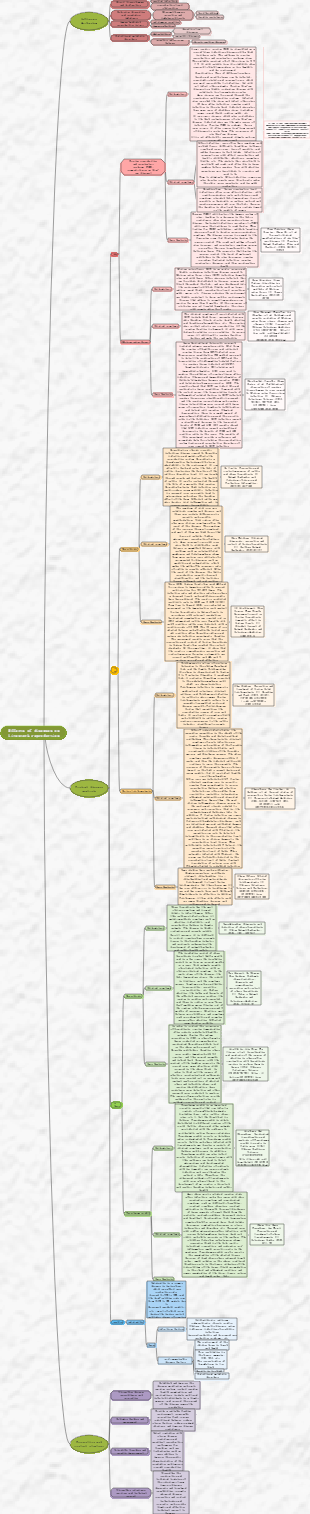
MindMap Gallery Veterinary Surgery Chapter 9
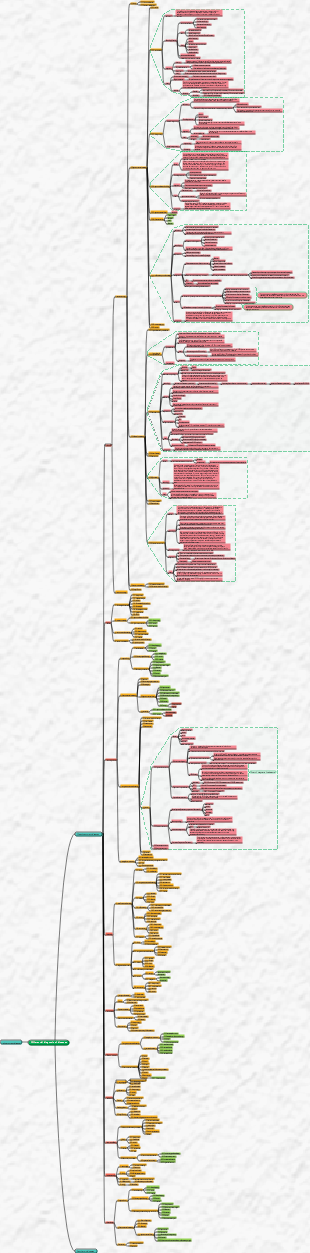
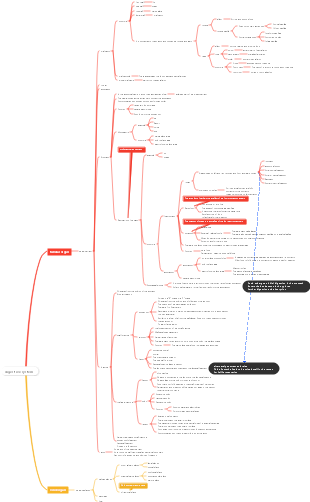
The surgical indications, surgical procedures, and postoperative management of equine laryngosacculotomy, equine laryngeal pouchectomy, large anecholysis, tracheotomy, and esophagotomy were introduced respectively.
Edited at 2024-11-10 17:52:33これは、「Amazon Reverse Working Method」「Amazon Reverse Working Method」に関するマインドマップです。それは、Amazonの成功の秘密を明らかにし、実用的な作業方法と管理の原則を提供し、Amazon文化を理解し、仕事の効率と創造性を向上させたい読者にとって大きな参照価値です。
Azure BlobストレージにおけるMicrosoftの顕著な進歩とイノベーション、特にChatGptの作成者であるOpenaiの巨大なコンピューティングニーズを効果的にサポートする方法に焦点を当てています。 Azure Blobストレージ製品管理チームのJason Valerieは、JakeとDeverajaと協力して、Azure BlobストレージがOpenaiの大規模なモデルトレーニング、処理データ、ストレージをexebbitレベルまでに行う上で重要な役割を果たしました。議論には、AIワークロードのスケーリングスーパーコンピューターが直面している課題と、地域ネットワークゲートウェイを接続するデータセンターなどのアーキテクチャソリューション、および動的ストレージ容量の拡張を可能にする拡張アカウントの導入が含まれます。技術的な側面は、チェックポイントのメカニズム、大規模なデータ処理、革新的なブロブビューと階層的な名前空間、グローバルデータモビリティ機能をカバーし、Microsoftのグローバルネットワークインフラストラクチャを戦略的に利用して効率的なデータ送信を可能にします。この会話は、高度なAIの研究開発に強力でスケーラブルで効率的なストレージソリューションを提供するというマイクロソフトのコミットメントを完全に示しています。
これは、主にオブジェクト状態の変化、熱エンジン、内部エネルギー、熱比熱容量、温度スケールを含む、熱に関するマインドマップです。紹介は詳細であり、説明は包括的です。
これは、「Amazon Reverse Working Method」「Amazon Reverse Working Method」に関するマインドマップです。それは、Amazonの成功の秘密を明らかにし、実用的な作業方法と管理の原則を提供し、Amazon文化を理解し、仕事の効率と創造性を向上させたい読者にとって大きな参照価値です。
Azure BlobストレージにおけるMicrosoftの顕著な進歩とイノベーション、特にChatGptの作成者であるOpenaiの巨大なコンピューティングニーズを効果的にサポートする方法に焦点を当てています。 Azure Blobストレージ製品管理チームのJason Valerieは、JakeとDeverajaと協力して、Azure BlobストレージがOpenaiの大規模なモデルトレーニング、処理データ、ストレージをexebbitレベルまでに行う上で重要な役割を果たしました。議論には、AIワークロードのスケーリングスーパーコンピューターが直面している課題と、地域ネットワークゲートウェイを接続するデータセンターなどのアーキテクチャソリューション、および動的ストレージ容量の拡張を可能にする拡張アカウントの導入が含まれます。技術的な側面は、チェックポイントのメカニズム、大規模なデータ処理、革新的なブロブビューと階層的な名前空間、グローバルデータモビリティ機能をカバーし、Microsoftのグローバルネットワークインフラストラクチャを戦略的に利用して効率的なデータ送信を可能にします。この会話は、高度なAIの研究開発に強力でスケーラブルで効率的なストレージソリューションを提供するというマイクロソフトのコミットメントを完全に示しています。
これは、主にオブジェクト状態の変化、熱エンジン、内部エネルギー、熱比熱容量、温度スケールを含む、熱に関するマインドマップです。紹介は詳細であり、説明は包括的です。
Chapter 9 Neck Surgery
Section 1: Equine Laryngopouchotomy
Definition and purpose
Laryngeal pouchotomy is a surgical procedure
For the treatment of equine throat pouch disease
such as laryngeal bursitis or cyst
to relieve breathing difficulties
Relieve symptoms by incising the cyst
Suitable for cases that cannot be relieved by drug treatment
surgical procedure
anaesthetization
Give the horse general anesthesia
Make sure the horse is not moving during the procedure
Reduce pain and stress in horses
Choose the appropriate anesthetic drug and dose
Incision location
Make an incision at the appropriate location of the horse's throat pouch
Usually in the most prominent part of the cyst
to ensure adequate drainage
Use sterile technique
Prevent postoperative infection
Incision and drainage
Cut open the cyst to release its contents
Remove fluid or pus from the cyst
Reduce local pressure
Place a drainage tube
Keep the incision open
Promotes further drainage and healing
Postoperative care
Monitor vital signs
Observe your horse’s breathing and heart rate
Ensure there are no abnormal changes
Treat any complications promptly
Give antibiotics to prevent infection
Follow your veterinarian's prescription
Change dressings regularly
Food and activities
Provide adequate fluids and easily digestible food
promote recovery
avoid irritating foods
Restrict horse movement
Prevent the incision from splitting
Promote the healing process
Section 2: Extraction of equine laryngeal sac
Indications for surgery
Horse laryngeal pouch disease
Such as follicle inflammation or follicle stone
Causing difficulty breathing or swallowing in horses
Affect the normal life and work of horses
Cure the disease by removing the cysts
severity of illness
Consider surgery only if medical treatment fails
Avoid unnecessary surgical risks
Ensure the necessity of surgery
Surgical steps
Preparation
Complete preoperative examination and assessment
Determine the feasibility of surgery
Assess your horse's overall health
Choose the appropriate anesthesia method
Keeping horses safe during surgery
Reduce intraoperative pain
resection process
Precisely locate the sac
Use imaging to help determine location
Ensure complete resection
Remove cystic tissue
Use delicate surgical instruments
Avoid damaging surrounding tissue
Postoperative management
Prevent infection
Use antibiotics regularly
Follow your veterinarian’s medication instructions
Prevent postoperative infection
Keep the incision clean and dry
Change dressings regularly
Observe the incision healing status
Rehabilitation training
Gradually increase your horse’s activity level
Promote blood circulation and muscle recovery
Avoid complications caused by prolonged bed rest
Provide appropriate nutritional support
Promote body recovery
Enhance immunity
Section 3 Great Silencing Technique
Purpose of surgery
Treat vocal cord disease
such as vocal cord polyps or tumors
Surgery to remove diseased tissue
Restore normal vocal function
Improve respiratory function
Intervention for lesions affecting breathing
Improve quality of life
surgical method
Anesthesia and Positioning
Give the horse general anesthesia
Make sure the surgery goes smoothly
Reduce horse discomfort
Use laryngoscope to locate lesions
Accurately identify diseased areas
Reduce surgical injuries
Remove the lesion
Use a scalpel or laser to remove the lesion
Ensure complete removal of diseased tissue
Minimize damage to normal tissue
Keep the surgical field of view clear
Use a suction device to remove blood and secretions
Ensure the accuracy of surgical procedures
Postoperative care
Monitor breathing and vocalizations
Observe your horse’s breathing patterns
Make sure you don’t have difficulty breathing
Detect and deal with complications promptly
Pay attention to changes in your horse’s vocalizations
Evaluate surgical results
Prevent vocal cord damage
Prevent infection and promote healing
Use antibiotics to prevent infection
Follow your veterinarian’s medication plan
Check the incision regularly
Provide a nutritious diet
Support body recovery
Promote wound healing
Section 4 Tracheotomy
Indications for surgery
Airway obstruction or severe difficulty breathing
Such as foreign body inhalation or tumor compression
Providing temporary or permanent breathing passage through tracheotomy
Relieve breathing difficulties
For long-term respiratory support cases
such as chronic obstructive pulmonary disease
Provide a stable breathing environment for horses
Surgical steps
Anesthesia and Preparation
Give the horse general anesthesia
Ensure surgical safety
Reduce pain and stress responses in horses
Prepare surgical instruments and materials
Make sure the surgery goes smoothly
Prepare suturing materials and drainage devices
Incision and catheterization
Make an incision in the trachea of the neck
Precise selection of incision locations
Avoid damage to surrounding blood vessels and nerves
Inserting an endotracheal tube
Keep airway open
Ensure the horse is breathing normally
Postoperative management
Maintain endotracheal tube
Clean and replace catheters regularly
Prevent infection and blockage
Make sure the catheter is functioning properly
Monitor respiratory status
Observe your horse’s breathing rate and depth
Deal with catheter-related issues promptly
Prevent complications
Use antibiotics to prevent infection
Follow your veterinarian’s medication instructions
Check regularly around the incision and catheter
Provide proper nutrition and hydration
Supports overall horse health
Promote wound healing
Section 5 Esophageal incision
Indications for surgery
Esophageal obstruction or damage
Such as foreign body obstruction or perforation caused by trauma
Cutting into the esophagus to remove foreign objects or repair damage
Restore normal eating and digestive functions
For the treatment of severe esophageal disease
Such as esophageal tumors or strictures
Improve horses’ quality of life
Surgical steps
Anesthesia and Positioning
Give the horse general anesthesia
Make sure the operation is undergoing smoothly
Reduce pain and stress responses in horses
Pinpoint the lesion
Use imaging aids
Ensure surgical accuracy
Cut and Repair
Make an incision at the affected area
Cutting open the esophagus to remove foreign objects or repair damage
Ensure sufficient operating space
Carefully suture the esophageal wall
Use absorbable sutures
Prevent esophageal stricture or leakage
Postoperative care
Diet management
Provide liquid or semi-liquid food
Avoid putting excessive pressure on the esophagus
Promote wound healing
Limit eating times
Prevent food from refluxing
Reduce esophageal irritation
Prevent infection and promote healing
Use antibiotics to prevent infection
Follow your veterinarian’s medication plan
Check the incision regularly
Observe your horse’s eating and digestion
Ensure no complications occur
Make timely adjustments to diet and treatment plans